Bienvenido a los Estados Unidos

We moved! 

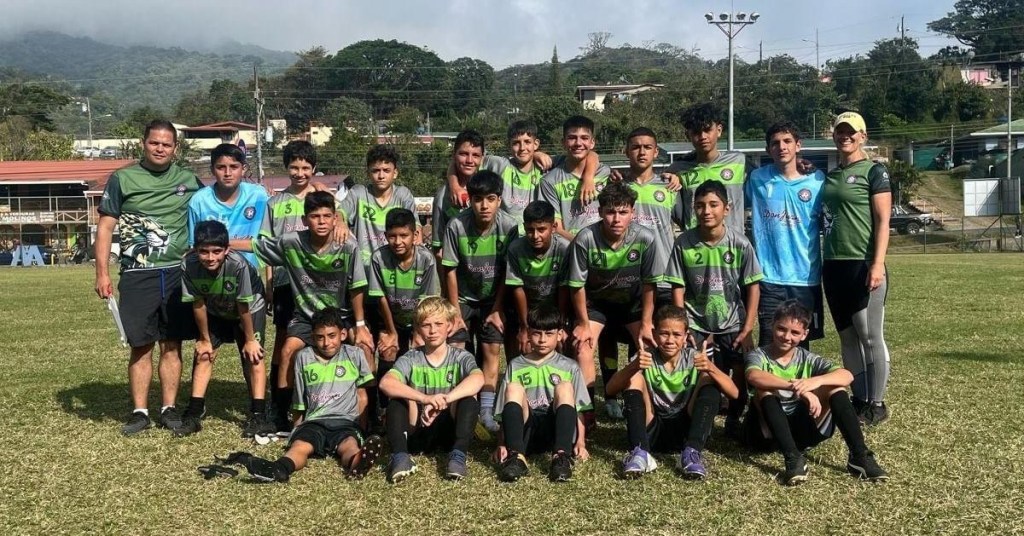
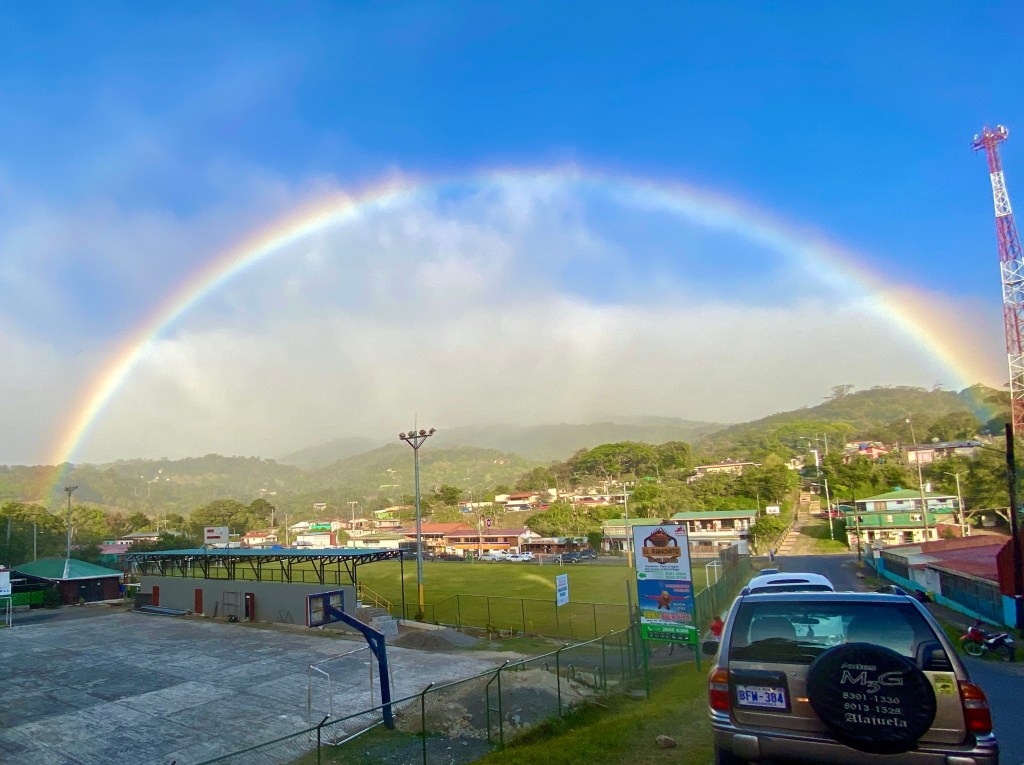
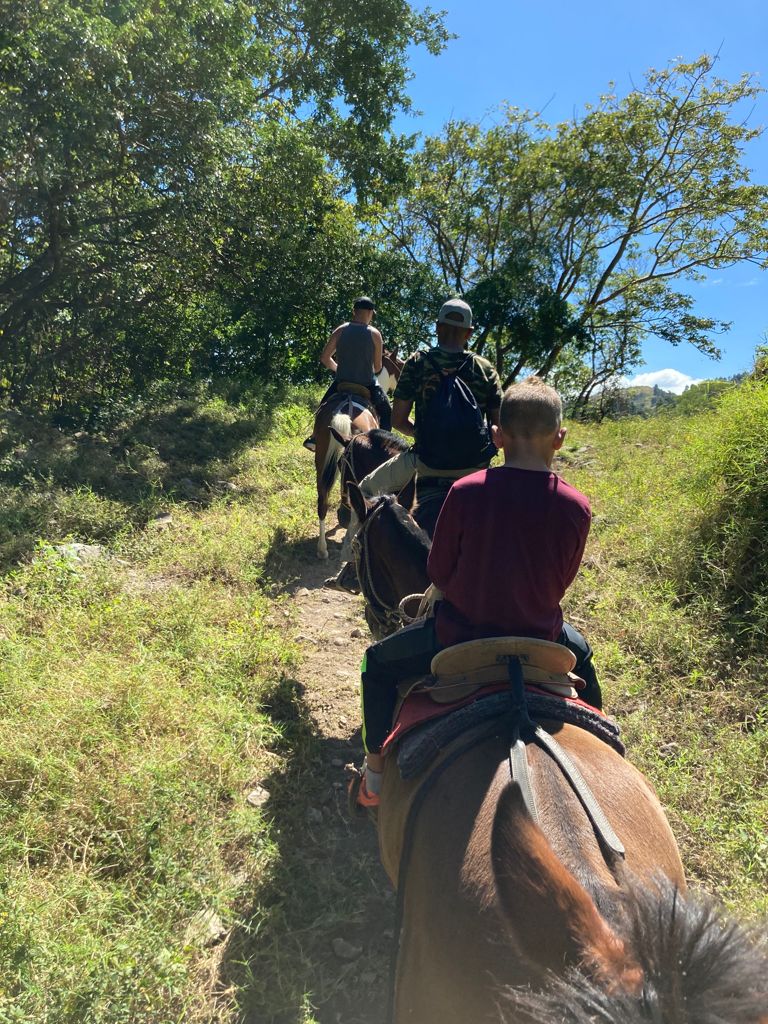
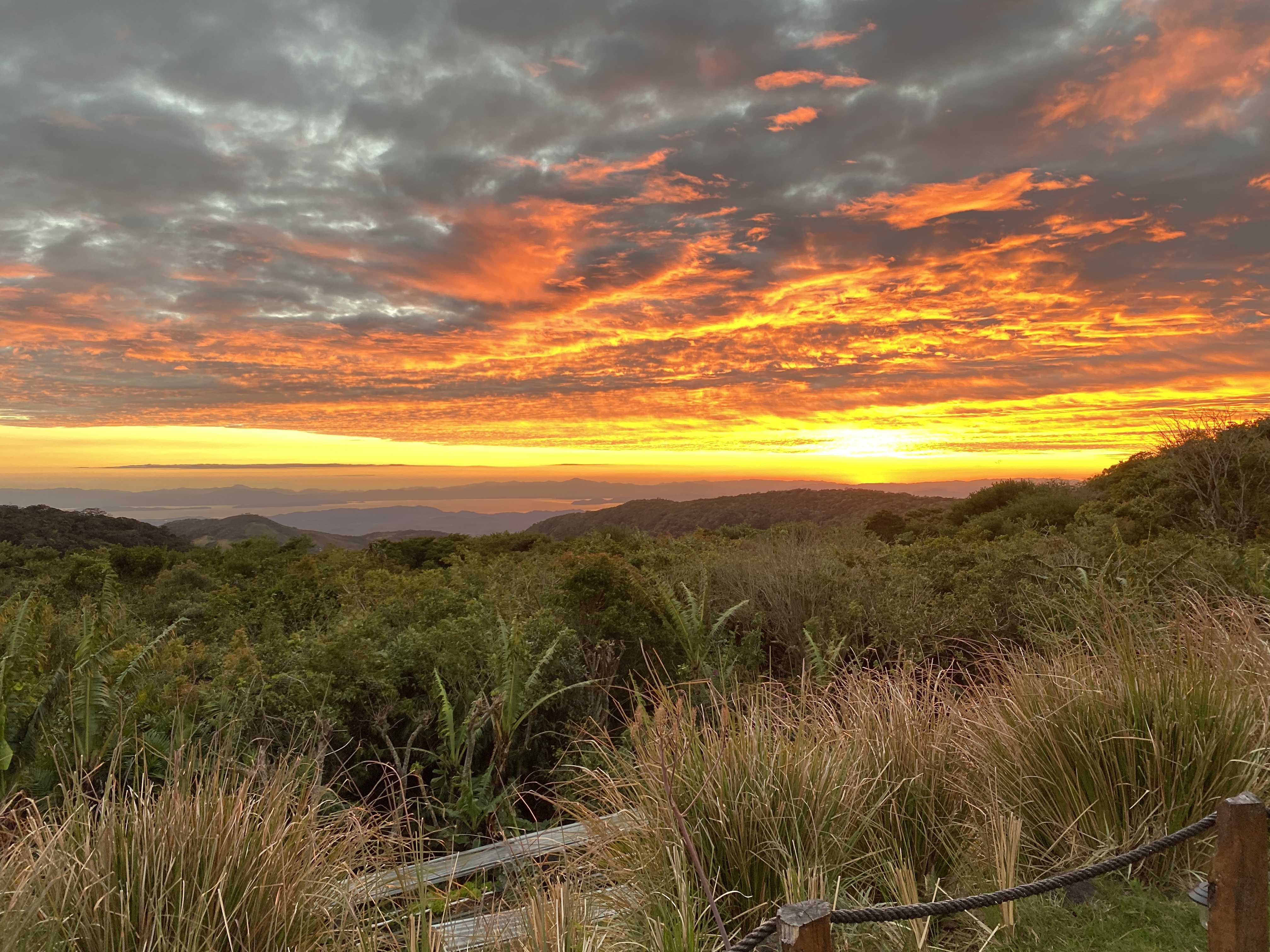
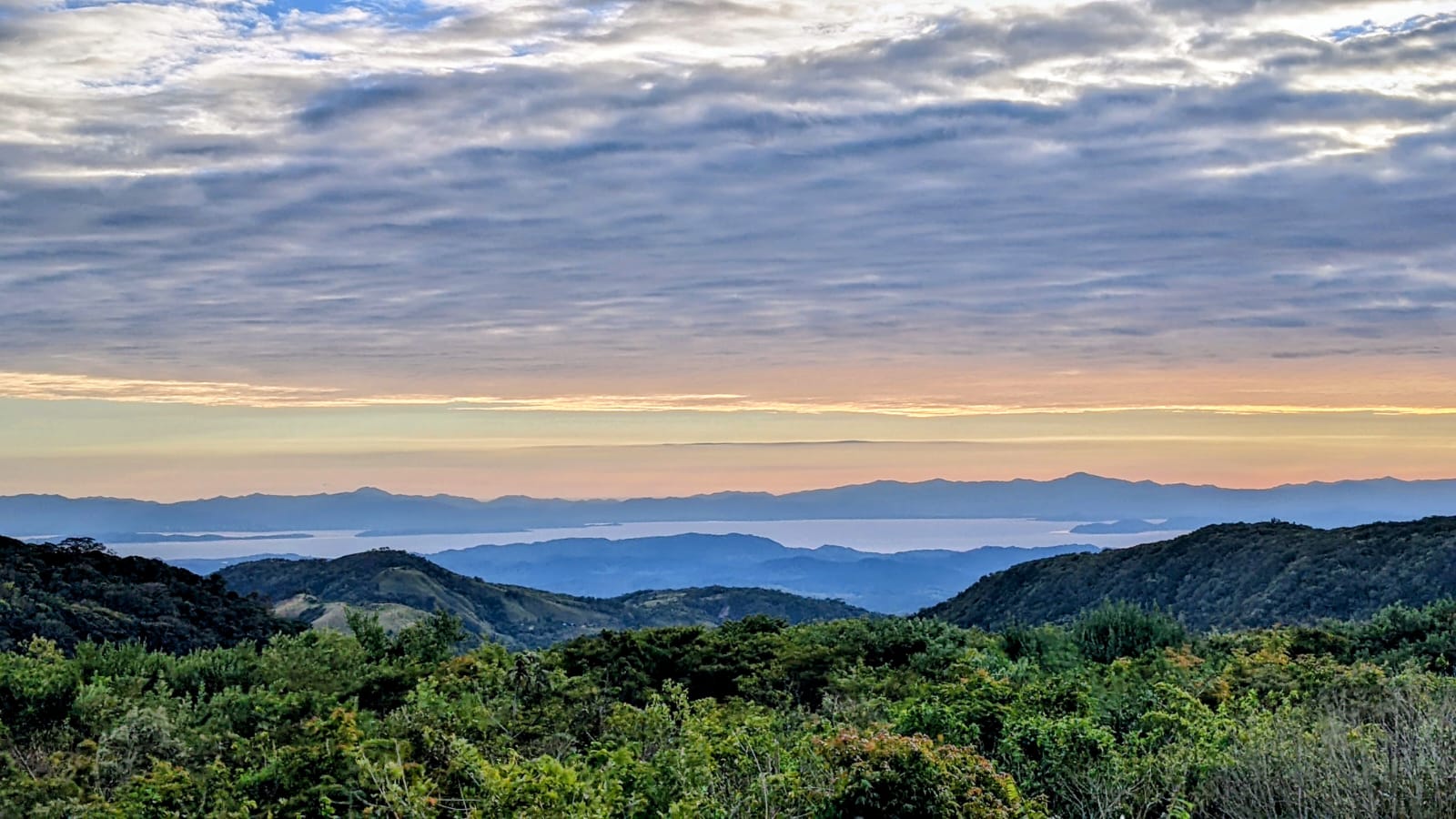
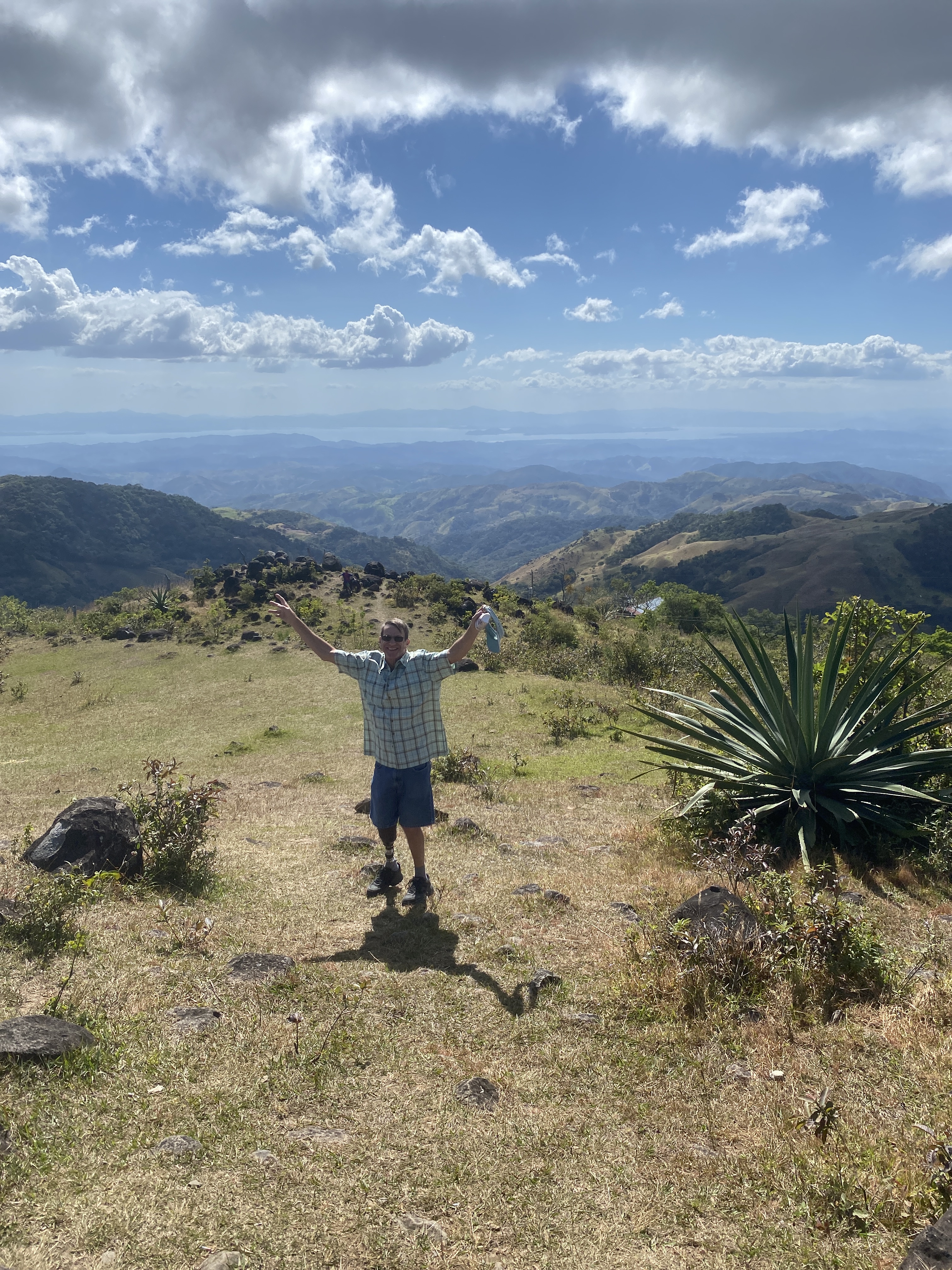
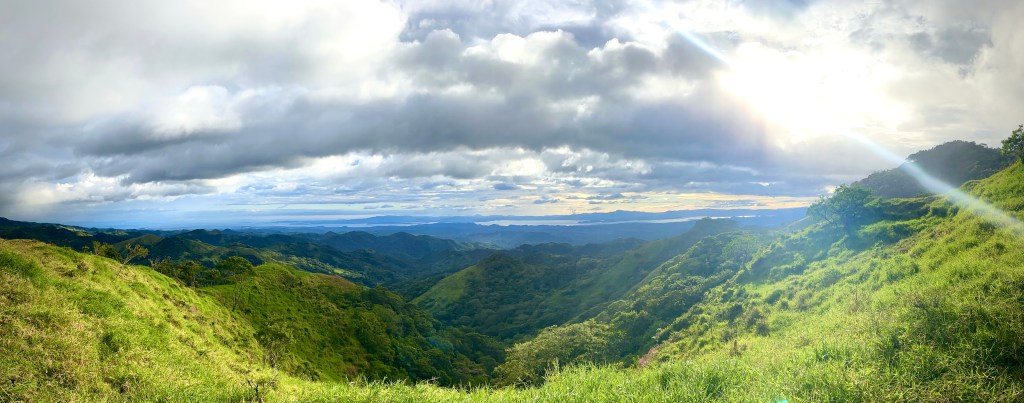
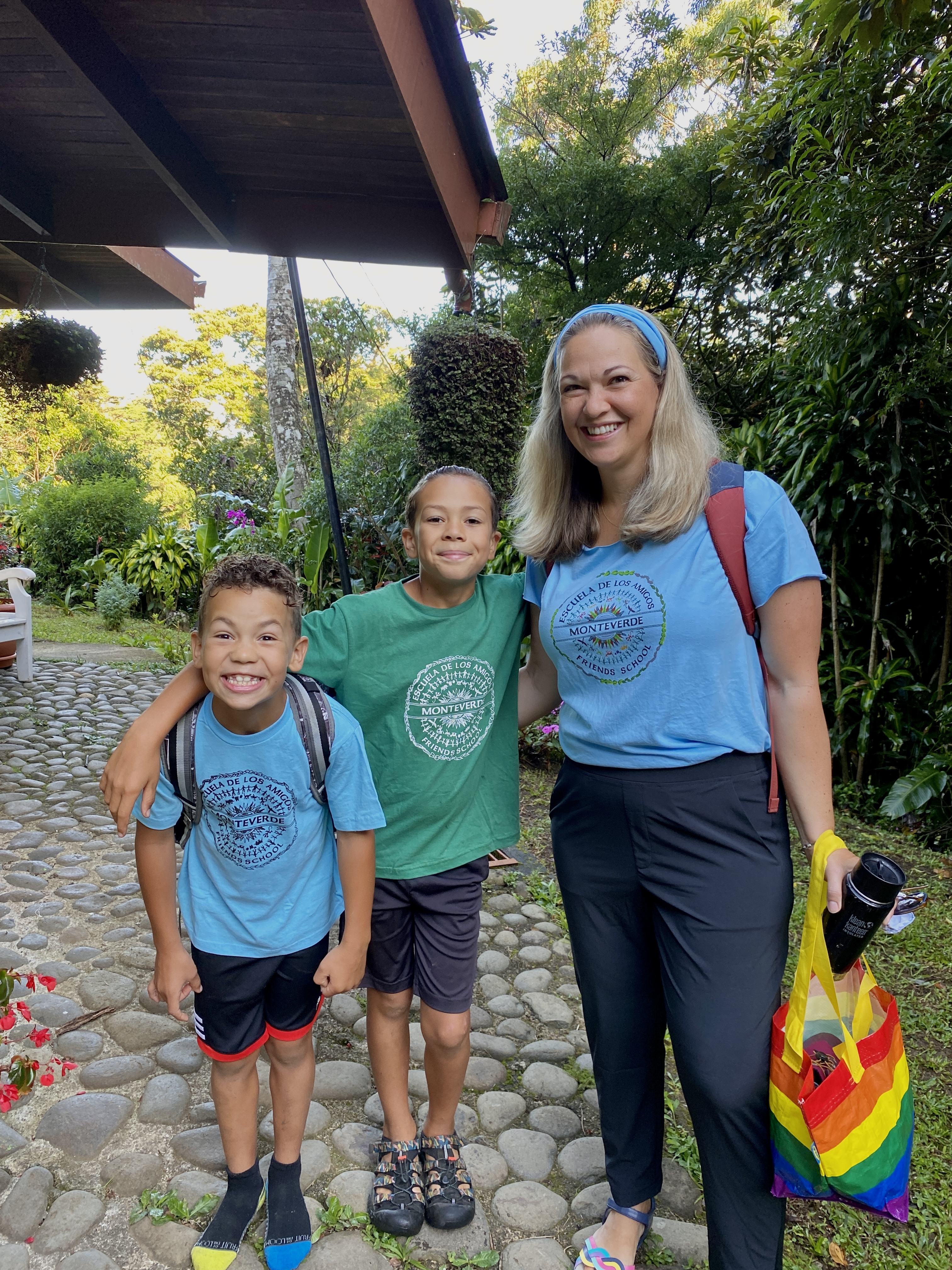
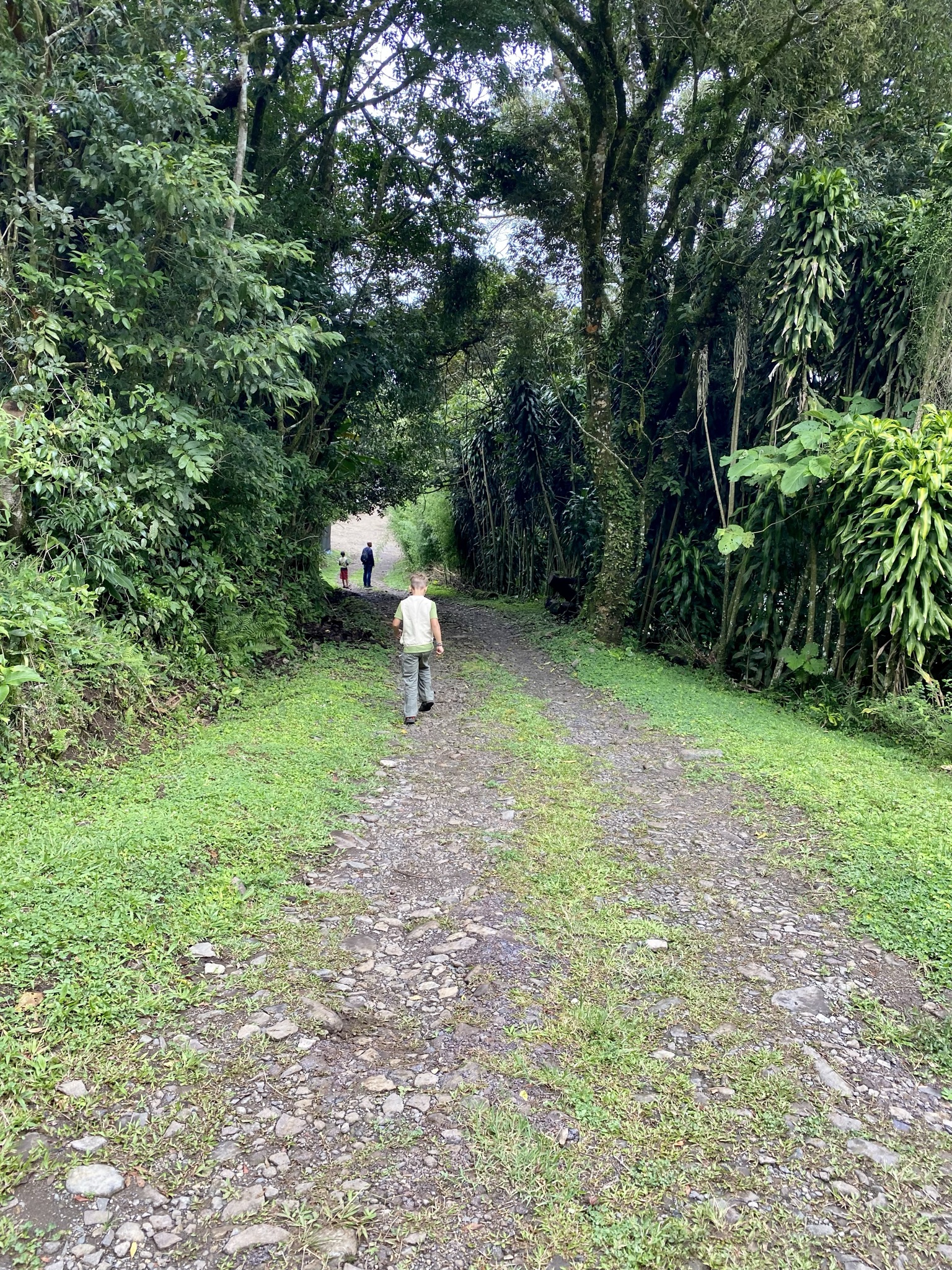
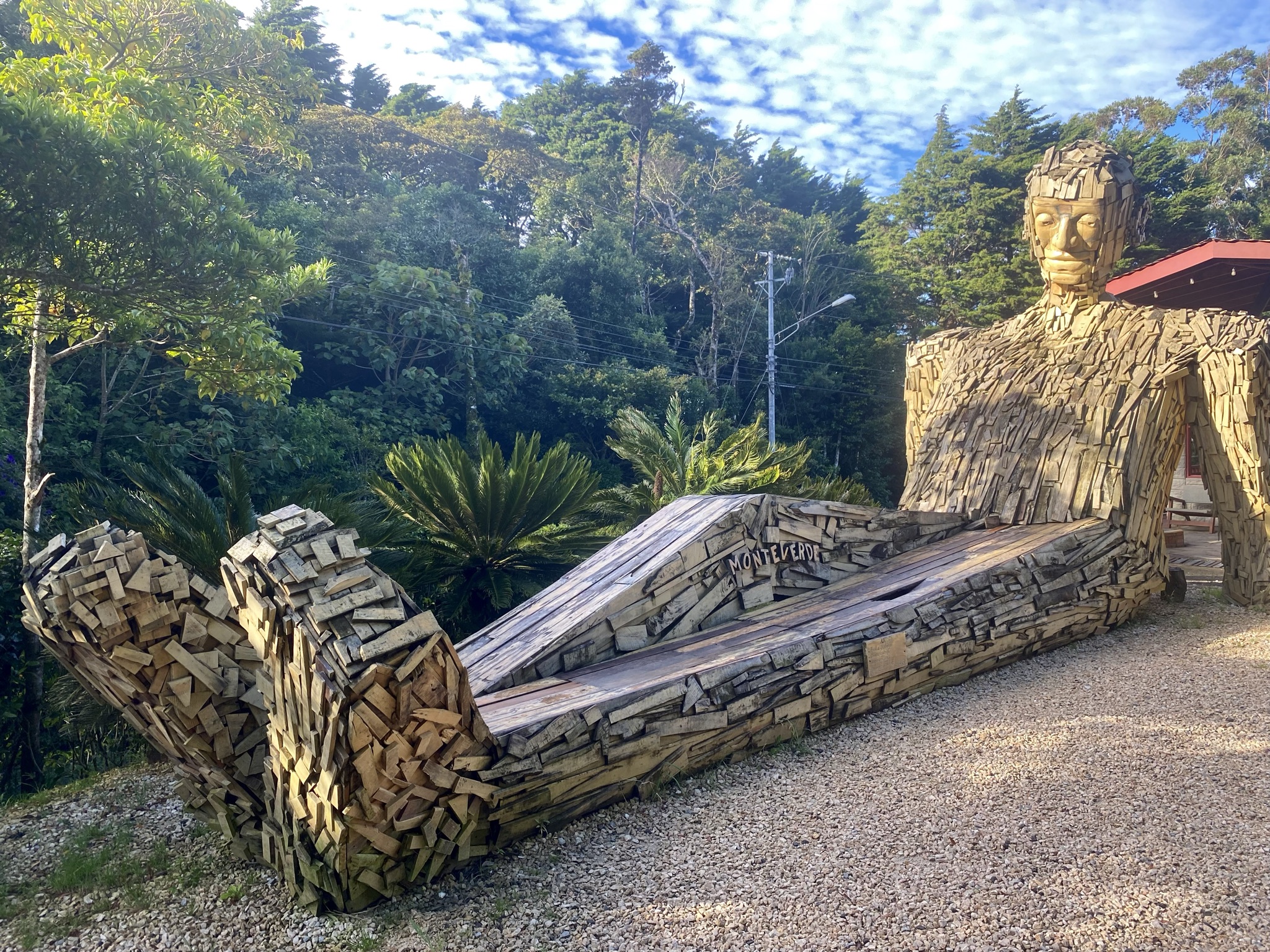
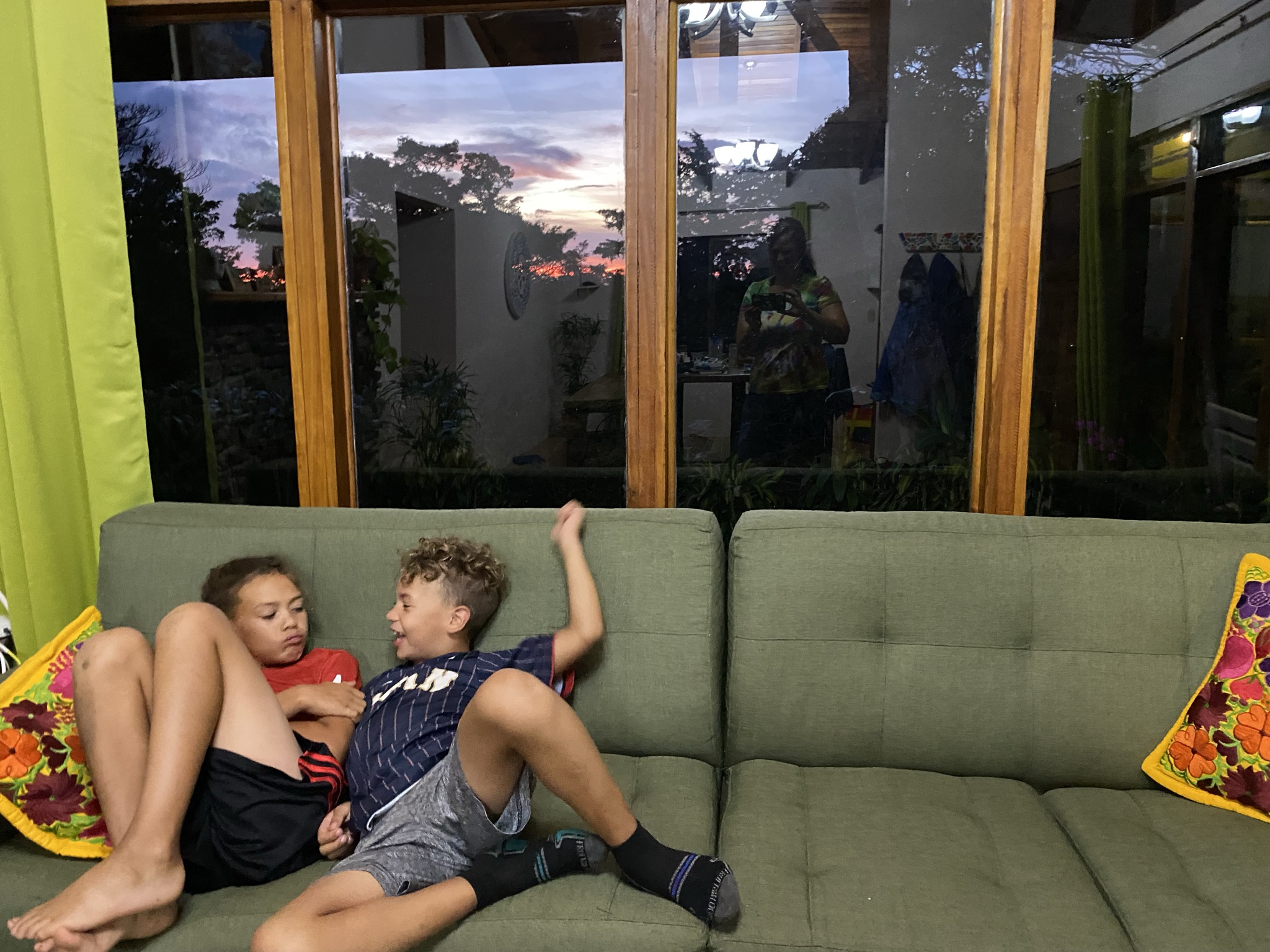
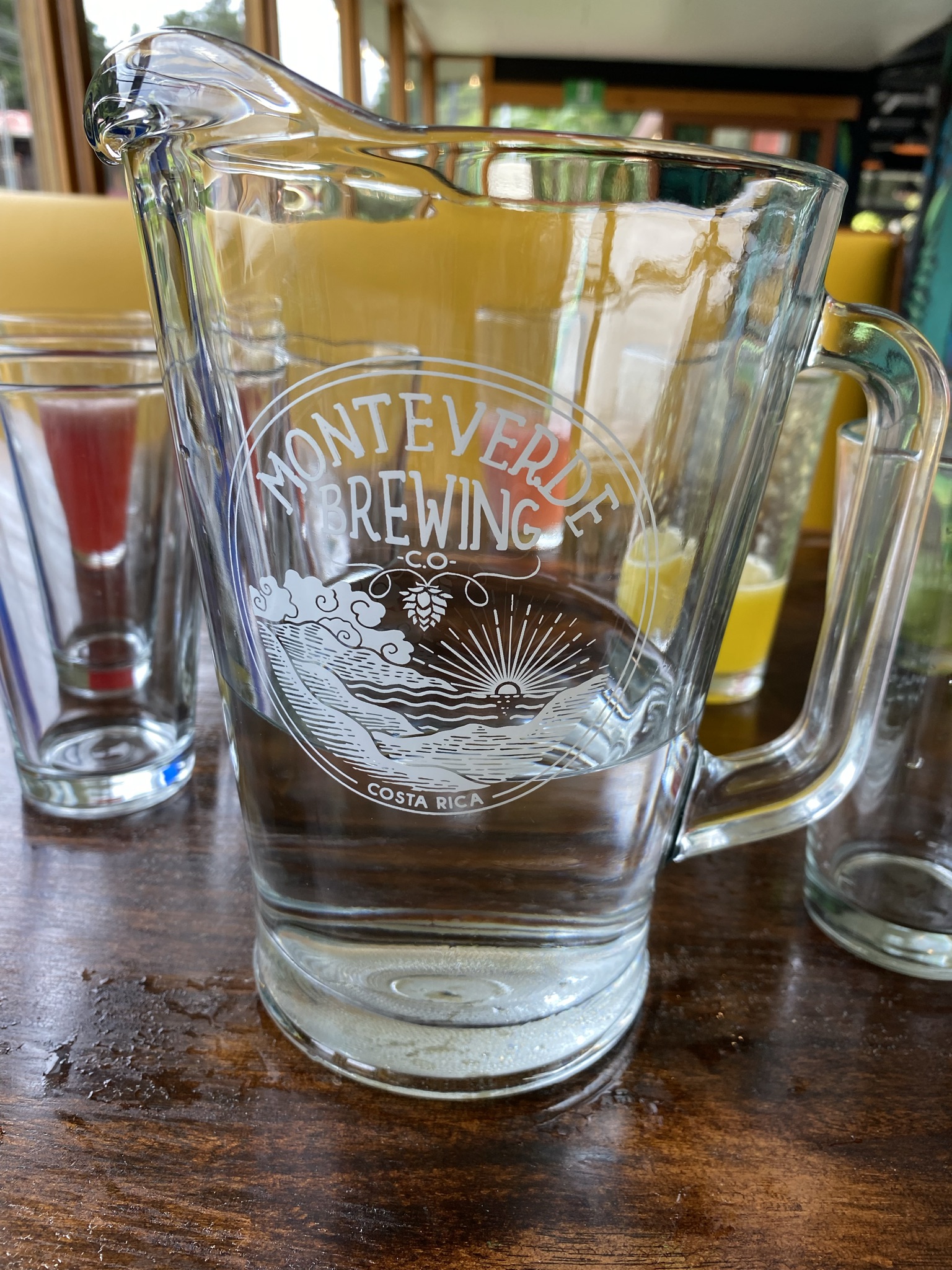
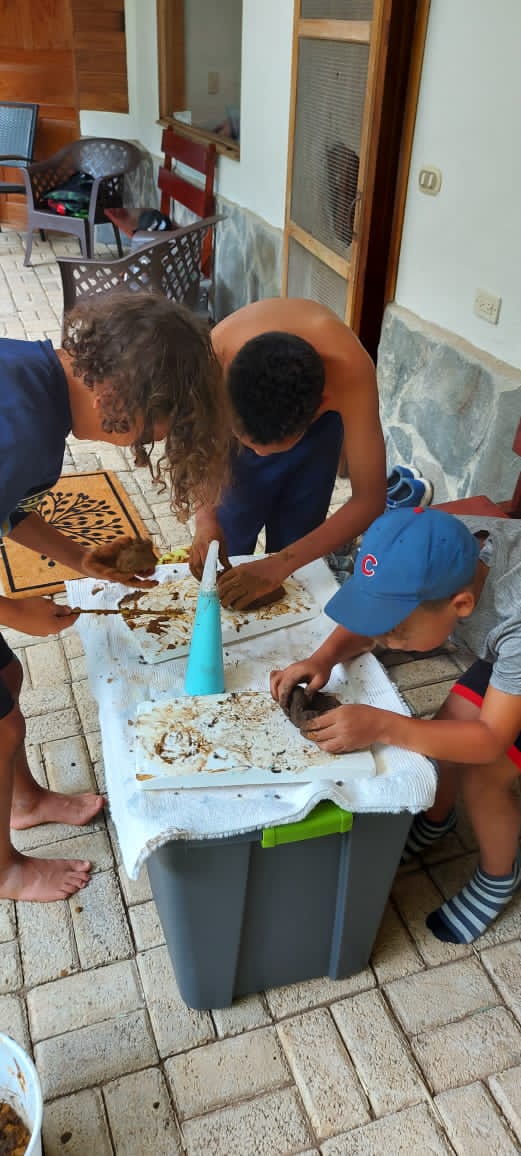
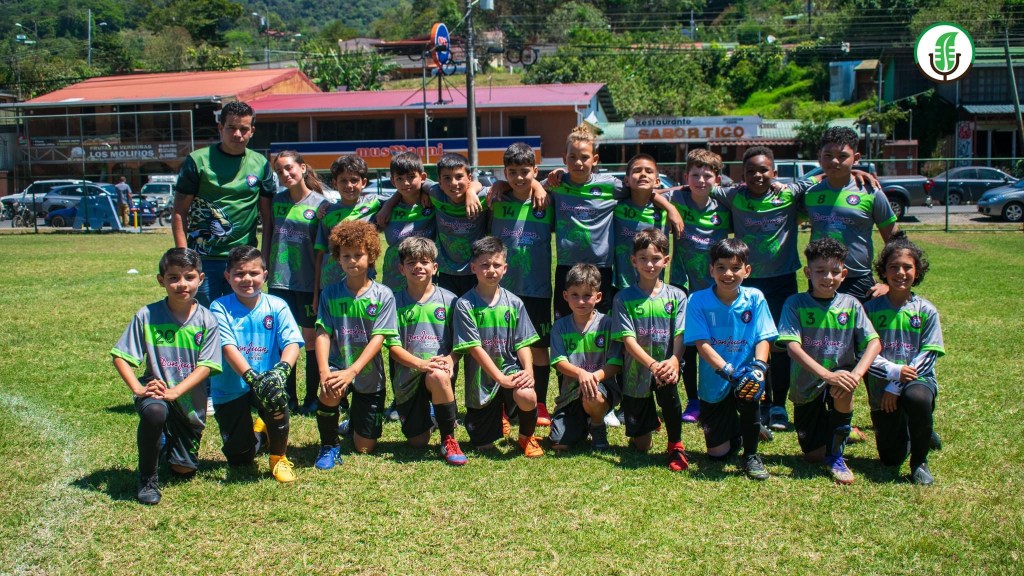
After 3 years living in Monteverde, Costa Rica, we moved back to the U.S. this month. It was very hard to say goodbye to our life on the green mountain. We recognize what a privilege it was to live in Costa Rica. We had the best friends and felt very safe and supported. We got comfortable with the bugs, the rain, and slower pace of things. The kids learned Spanish and speak it to each other everyday now. A piece of their identity was formed by Tico culture and we are very thankful for that. I had lots of opportunities for meaningful community engagement. Working with teenagers gave me great insight into life beyond the surface- they tell it like it is! Having the boys play fútbol gave us the opportunity to visit small communities up and down the mountain for matches. Through the Quaker meeting, we volunteered on lots of environmental projects and humanitarian efforts for migrants passing through Costa Rica. As a family we dealt with some tough stuff away from home like car problems, broken bones, and stressful jobs. Everyone around us was going through similar situations so we were together in the struggle. So many families helped us out and we helped others. 
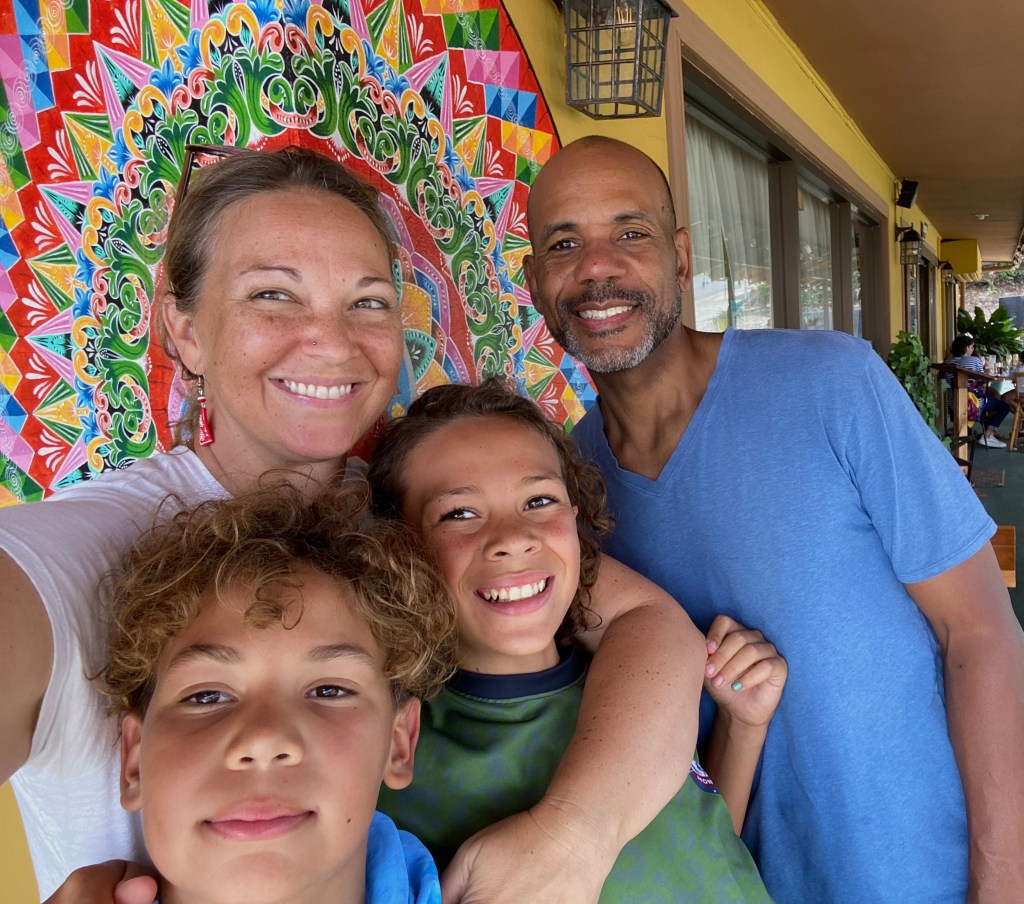
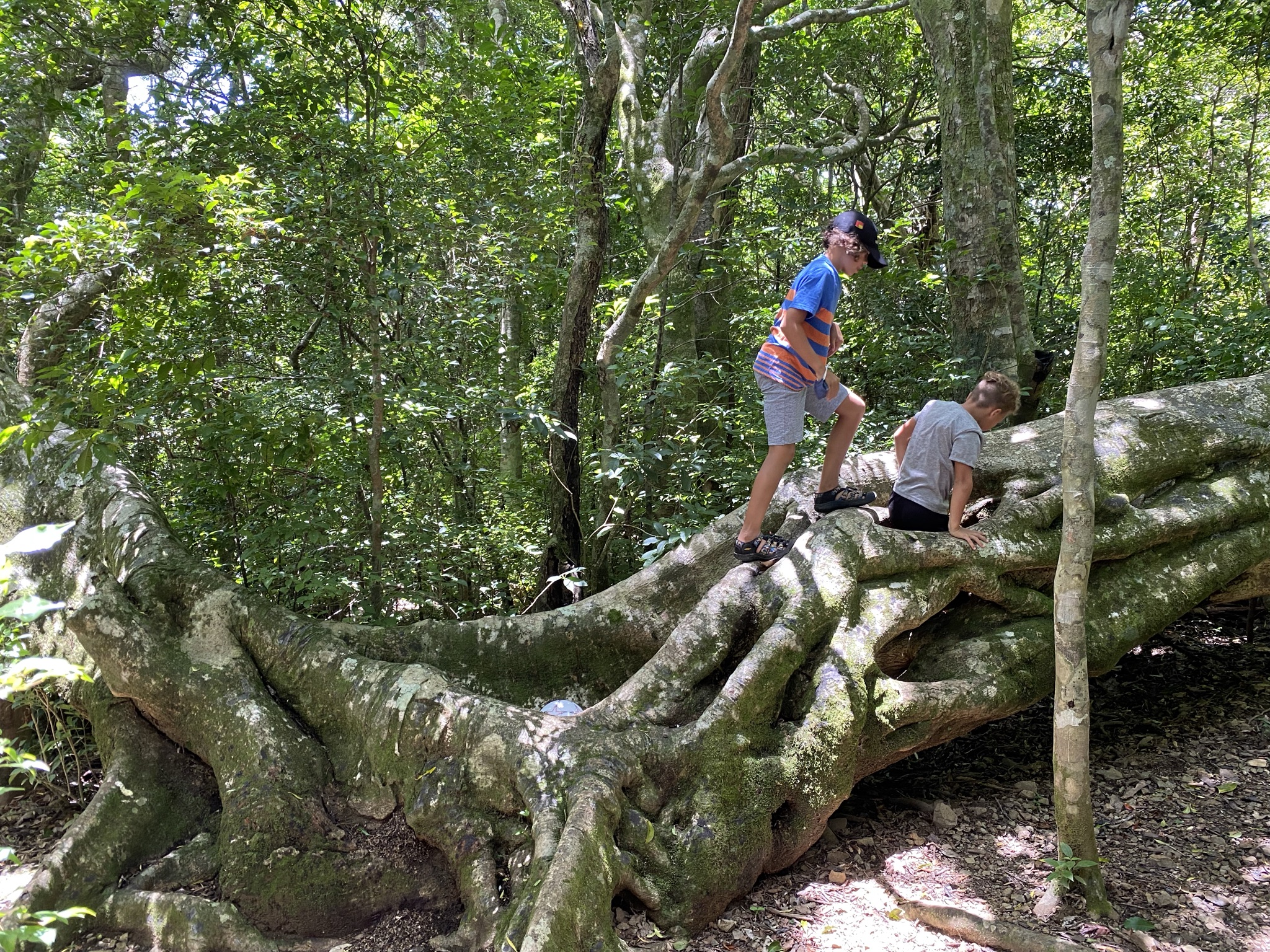
I will miss the youth the most, the new babies all the way up to the young adults. Being with them at school everyday, at birthday parties, at festivals, at the grocery store, and at the coffee shop down the road always made me feel good about our decision to move there. Everyone was a friend and it didn’t matter if they were 5 years younger or older, they would still trade Pokemon cards, share a bag of plátanos, join the fútbol game, or climb trees together. 
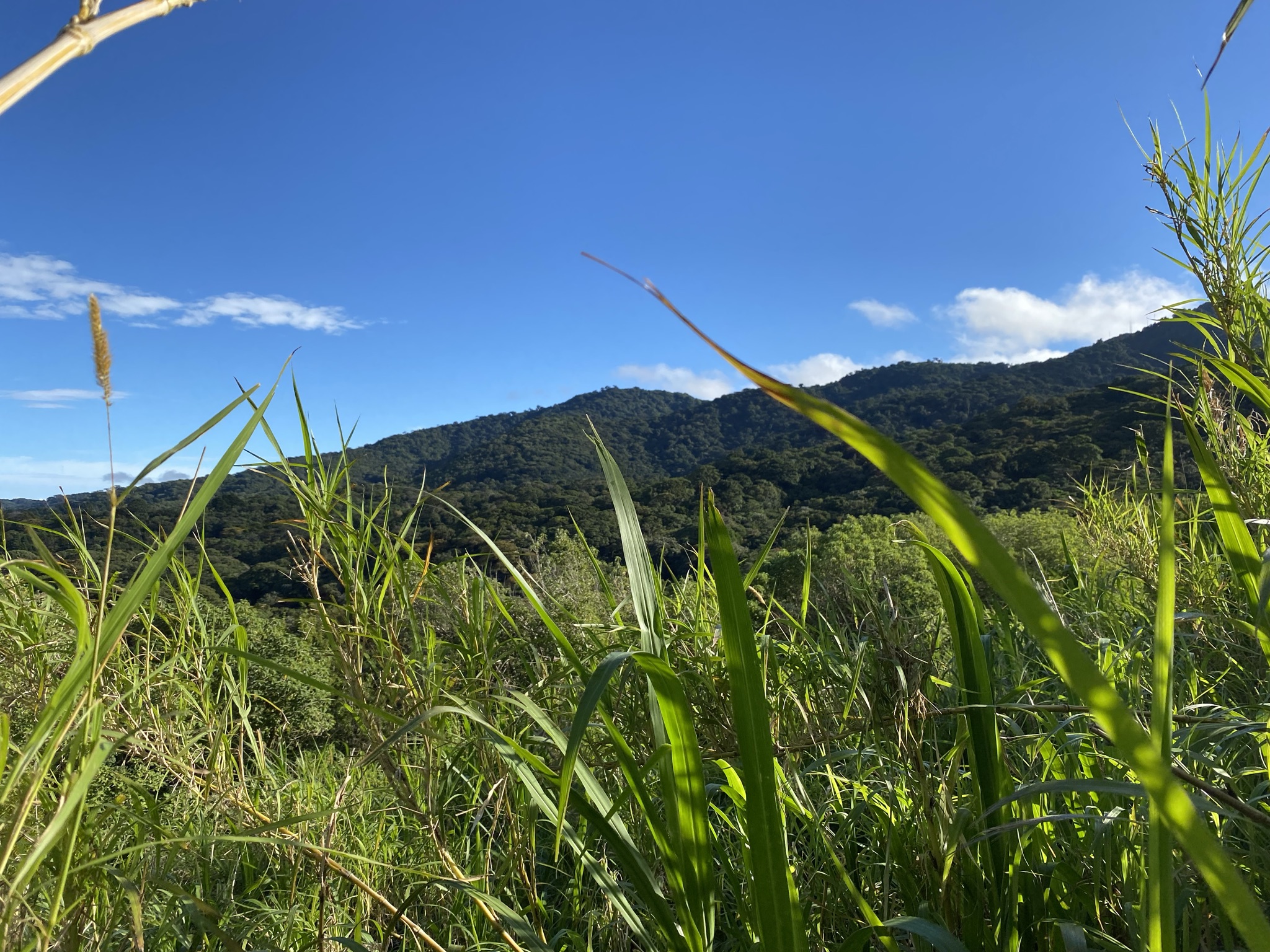
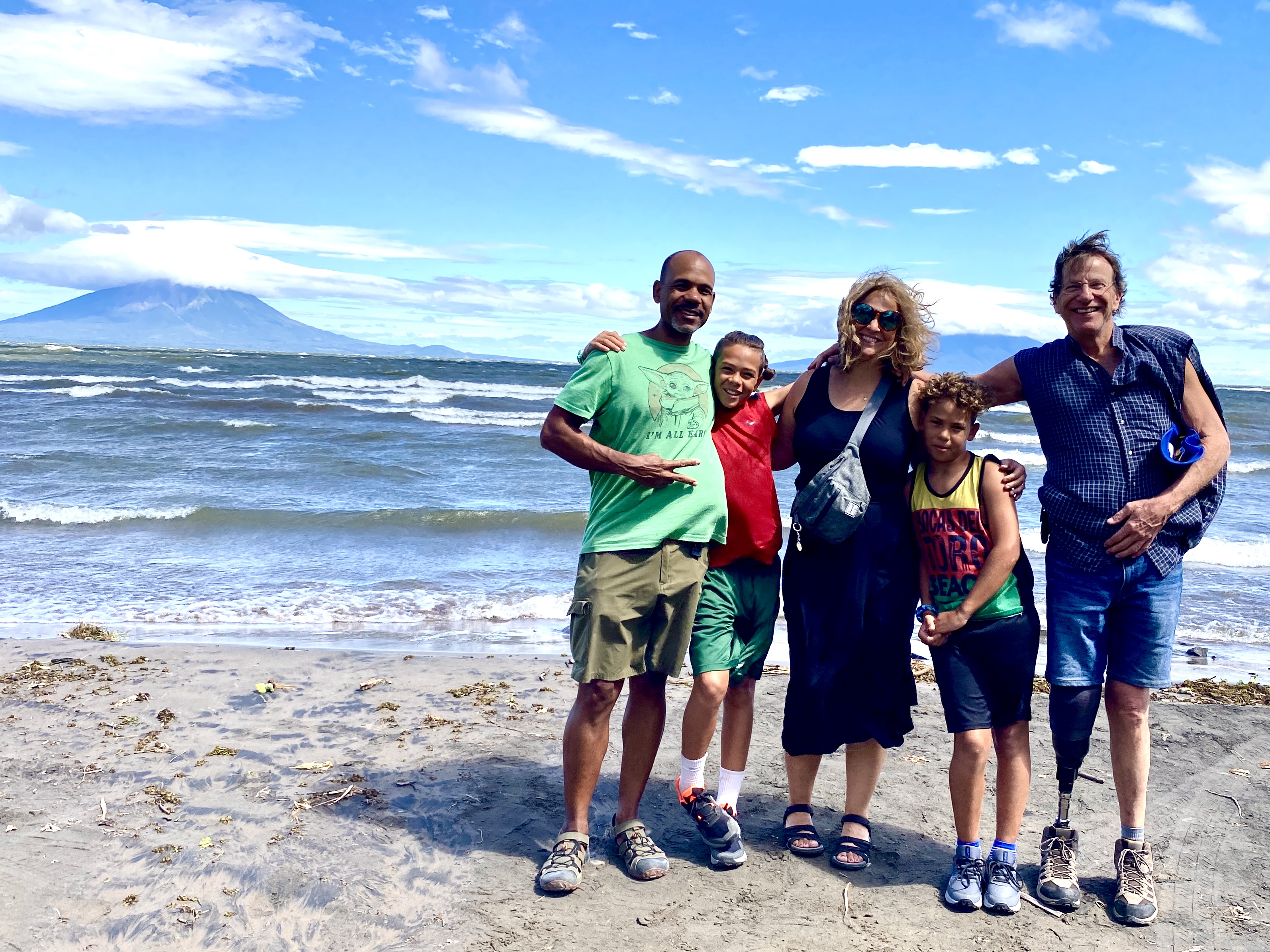
The landscapes and people captured our hearts as well. From the Pacific coast to the Atlantic coast we explored beaches and forests that are among the most beautiful in the world. My kids had great teachers at school and I had wonderful colleagues at work who helped me grow as a teacher and mom. We had amazing side trips to Panama, Nicaragua, and Guatemala. Visiting these places helped us better understand U.S./Central America relations and showed us a deeper picture of the social make-up of these places. 
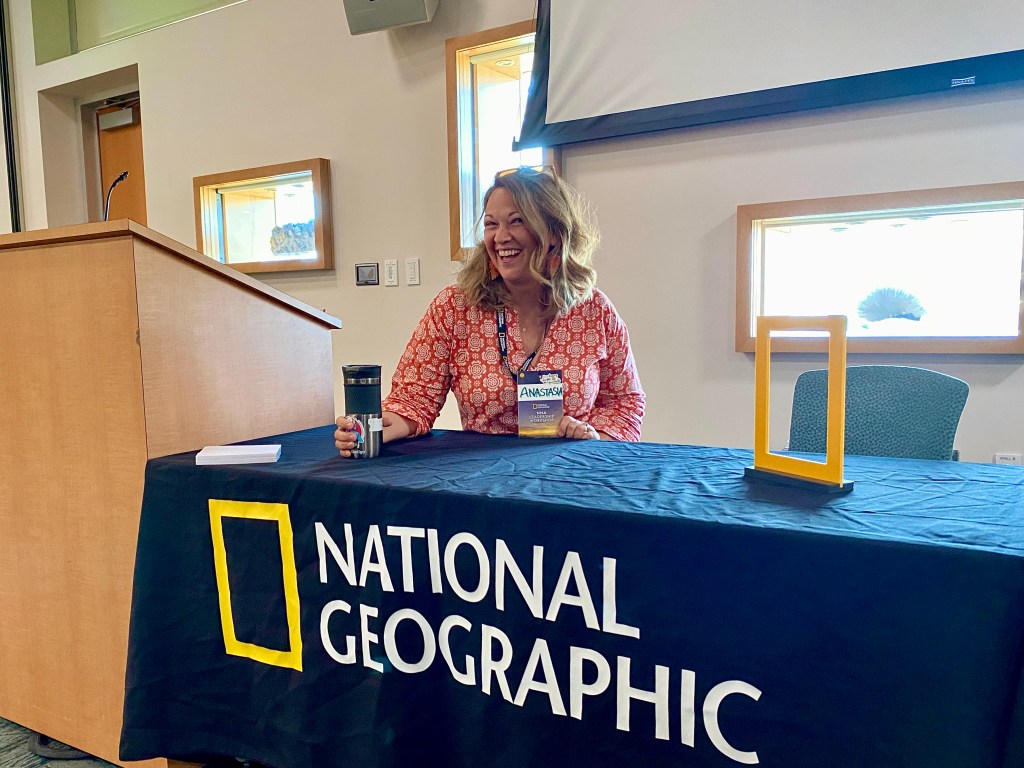
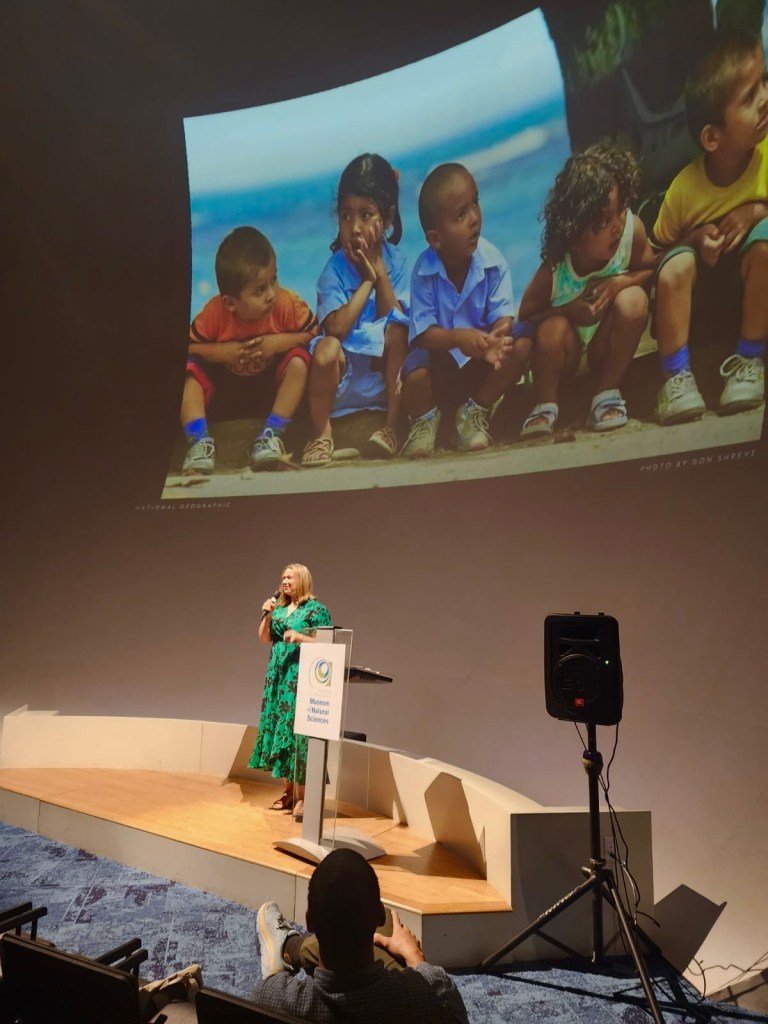
Last year I received a National Geographic Explorer grant to create lesson plans about the human diversity in Costa Rica. I’ve been working with educators all over the country to create educational resources about Afro Descendants, Indigenous, and immigrant Costa Ricans. Our book of resources will come out next year. Stay tuned! 
So what is in store for us now? 

After summer travels to the Family Olympics (the first without my mom) in Indiana and a week in Massachusetts for a teacher training at Walden Pond, we have finally landed in Poughkeepsie, New York. We are about 1.5 hours north of NYC and easy to get to on the Metro North line or Amtrak. Poughkeepsie is on the east side of the Hudson River and close to lots of hiking and cool towns up and down the Hudson Valley. We are about an hour from Symeon’s mom, 3 hours from Philly and 3 hours from Boston. We still have our house in Philly for now. We will likely sell it next year. 

Samson is 12 and going into 7th grade. He is excited to join school sports teams. This summer he went to 2 overnight camps (Camp Dark Waters and CISV). He made lots of new friends and tried out so many new things. His camp stories are really funny. It felt like forever when he was gone! 

Desmond is 10 and going into 5th grade. He is very homesick for Monteverde and missing his friends. He isn’t fully on board yet with the move here but we know once he does make friends he will be all in. He tried some local day camps, including a Red Bulls MLS soccer camp. 

Symeon continues to work as an independent contractor, fundraising and strategic planning for nonprofits. Right now he has two contracts for non profits that keep him busy full time. He will be looking for his next professional step soon. He is honestly the best. He worked hard to keep us afloat financially in Costa Rica and was often in charge of all the logistical life stuff in Spanish. He kept his online job going even when the power went out, or the wifi wasn’t working, or the rain was too loud for video calls. When I was in full panic mode about moving and finding a house, schools for the kids, a job, etc., he was calm and reassuring. He told me it would all work out. 🙂

I start a new job in a couple weeks at SUNY New Paltz (State University of New York). I’m leading special projects for the Institute for Disaster Mental Health and joining the counselor education faculty. The Institute provides leadership in disaster trauma response through training, research, and service. I’ll be training students, teachers, social workers, first responders, and organizations locally and abroad and coordinating grant funded projects. I’m very happy to find a role that puts me in the classroom AND the community here and globally. And my new boss is from Indiana and was a professor at IPFW for many years. We think it is really special that we both have 260 phone numbers! 

We are looking forward to experiencing the fall and winter seasons again since we haven’t experienced them in 3 years. We plan on making trips to see all our family & friends in Philly, NY and MA, and seeing Grandma Bibi and Grandpa Pops as often as we can.
Painting of Lifetime

by Don Shown

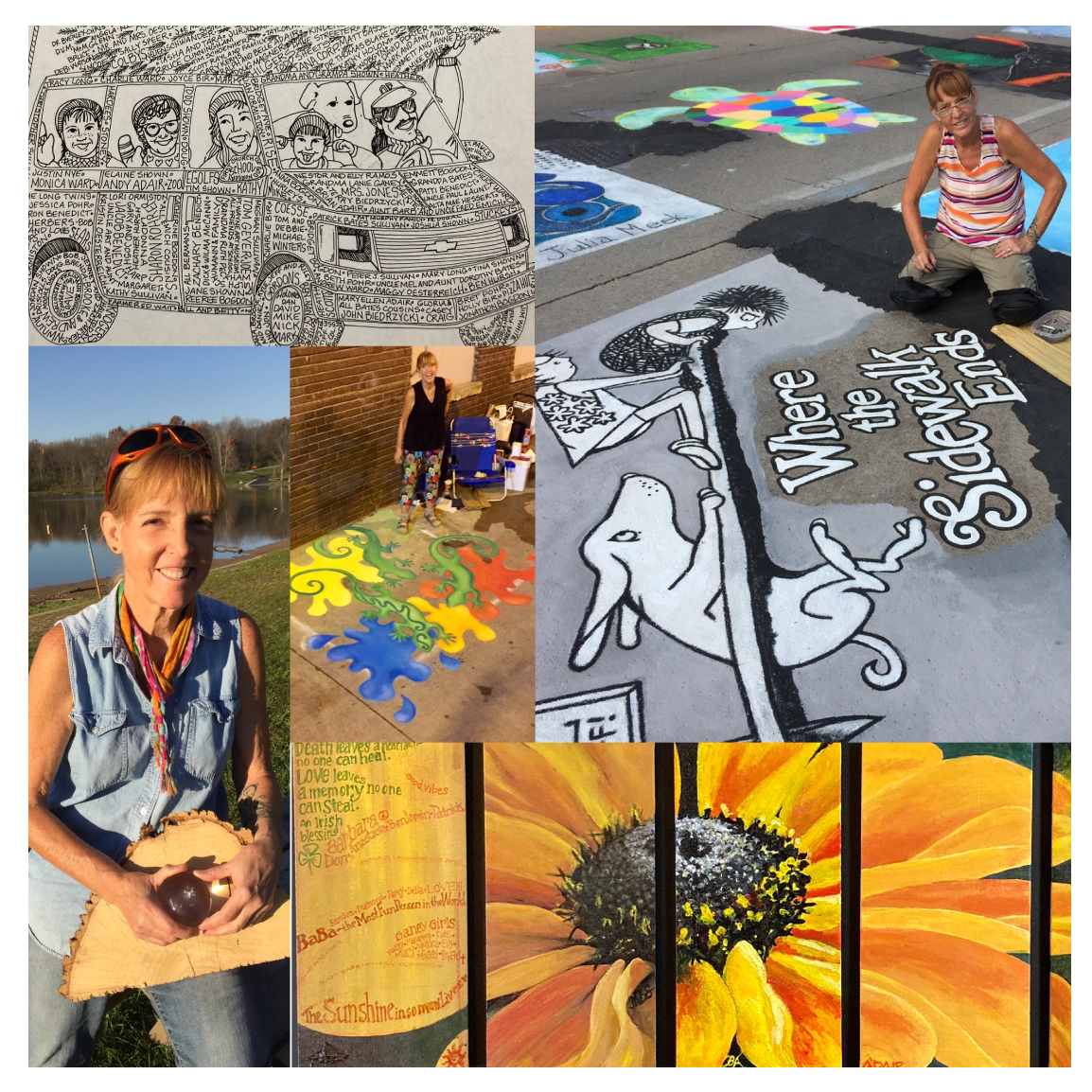
As someone who can’t draw a straight line or a round circle I was always amazed at how well Barb could sketch just about anything in a dash. I suppose there’s a lot of people like that out in the world but I lived with this one for 44 years- although she was at it long before me. It wasn’t just drawing but rather like the whole world of art.

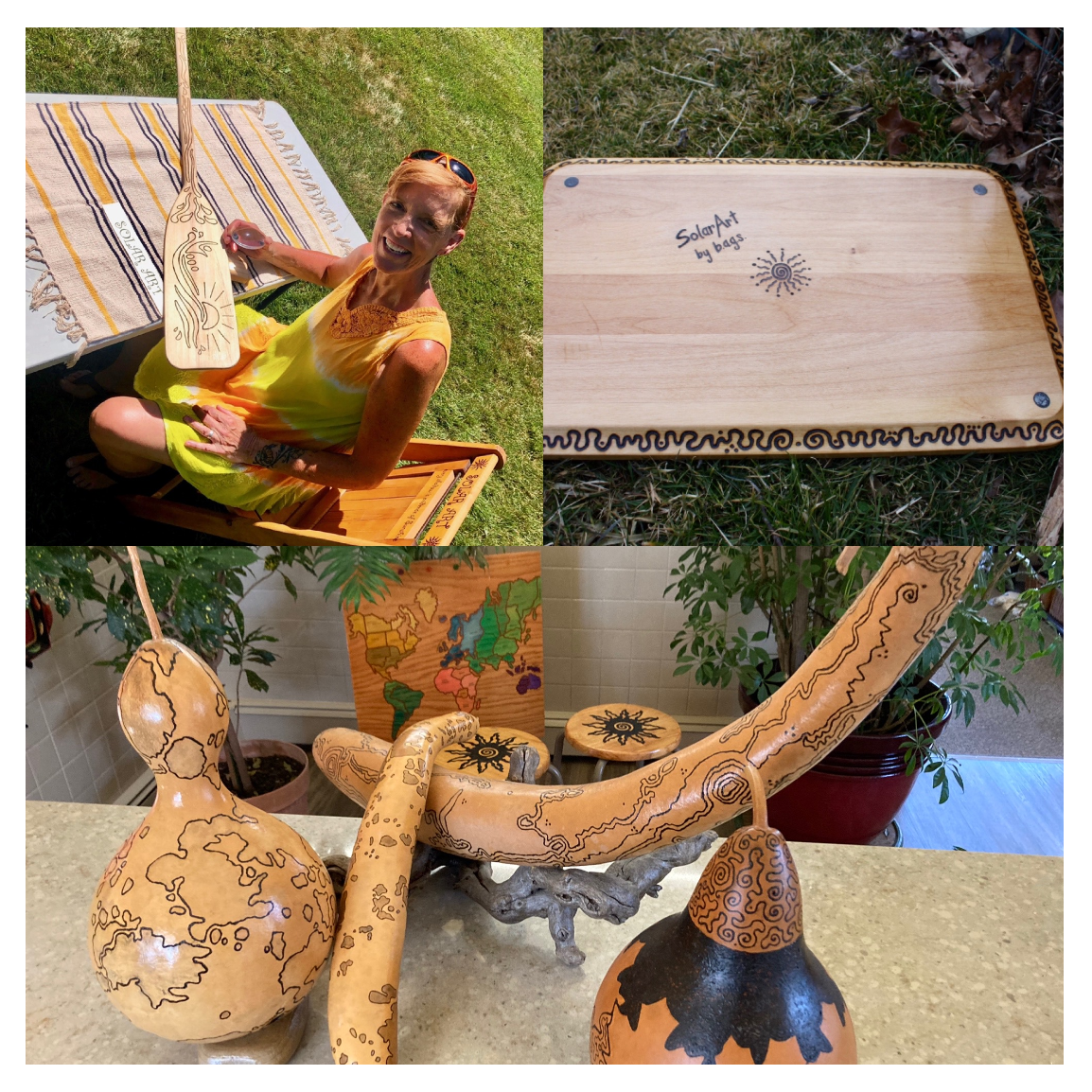
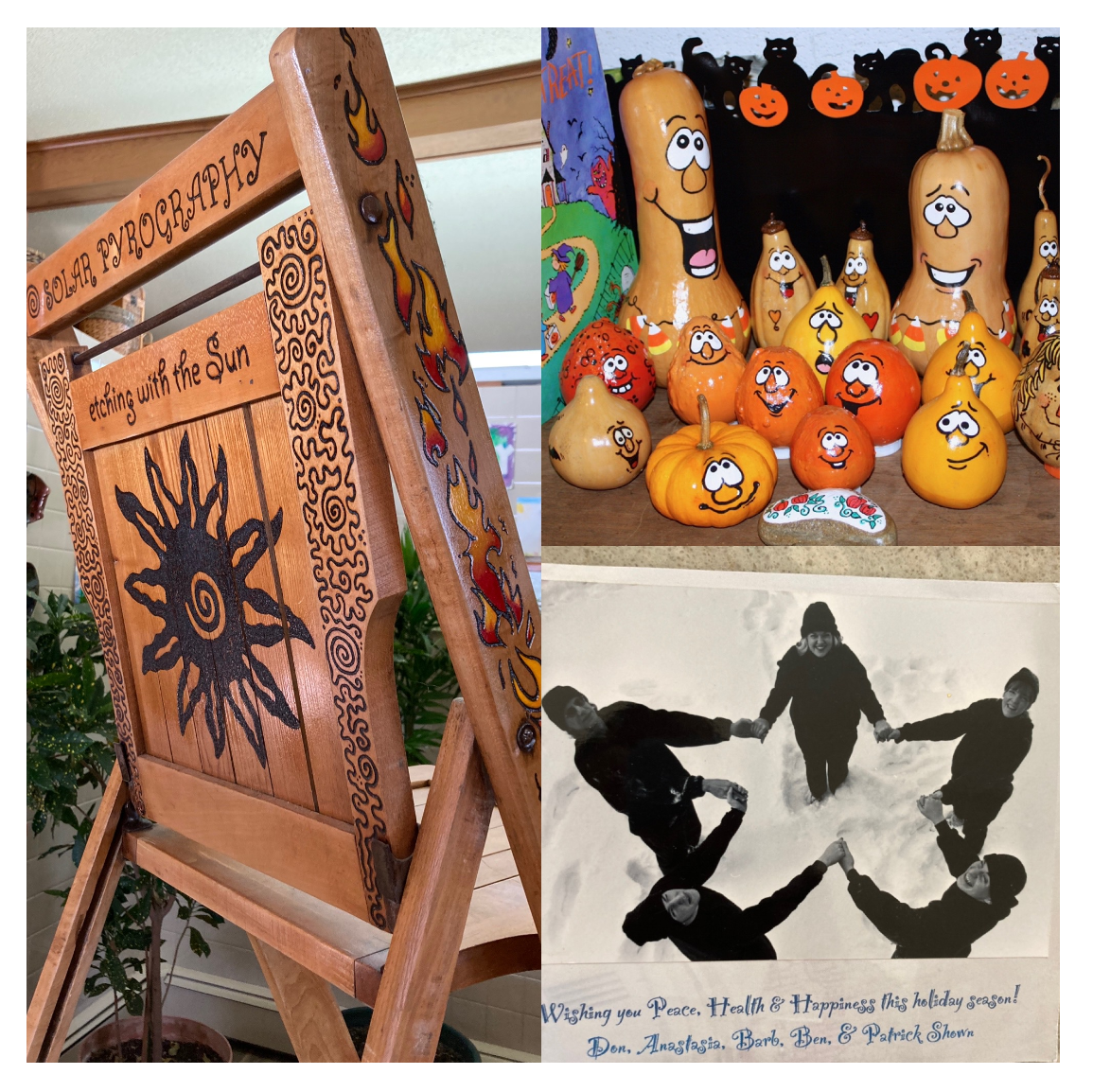
Like any mom and educator there was always stage backdrops, Halloween costumes, science projects, maps and timelines. For friends and family there were invitations, announcements, Christmas cards, catalogs and even a fishing book. She did basket weaving, painting, public art and solar burning. I think the closest she ever came to something like “crafting” was her Halloween gourds and pumpkins, though any received as a gift were considered works of art. 

Sometimes we would work on projects together. And many times I never thought the vision would come into focus, but Barb understood the concept of art, straight lines and squiggly, round circles and motion wheels. She enjoyed it. I could count easily the number of times she ever did it for money. It wasn’t always instant, like any other artist the inspiration would have to be there. Maybe deadlines helped, other days the sun would be just right and she could burn rays and flames up a whole hardwood folding chair in minutes. None ended up sloppy or like it was done in a rush. 

What is #belikeBarb? Those that know her or met her know. Others reading this haven’t met her or know us. Imagine, if you will, taking that broad set of art and instead of pencils or paint the strokes of your brush is in the art of living, shining and grand. The vessel you throw is of love with a spout of generosity, a handle of empathy. The song is one in which everyone’s notes are in harmony. Sculpt laughter. Teach in an invisible way.       

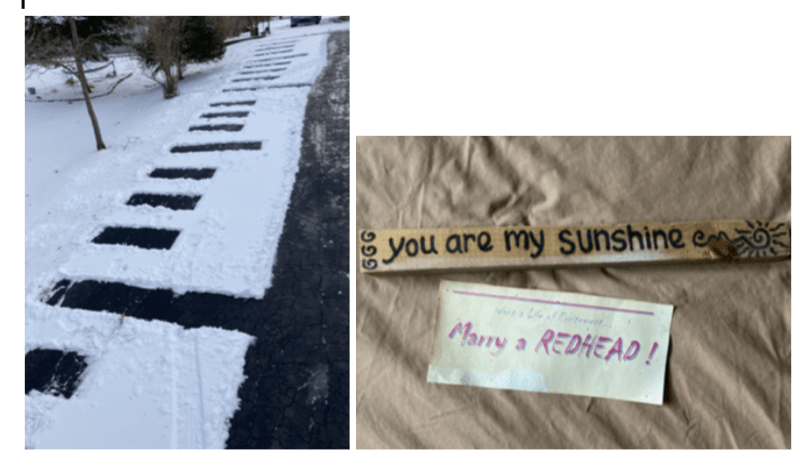
Don’t measure or compare. Like 98% of the world I am not a redhead. She was red and proud of it. I have a card she gave me that says, “if you want a life of excitement marry a redhead.” It was and is a great life. But that is not the point.

Make art and live art….affectionate, bright, and beautiful. Cut the boards and pound the nails to assemble a fixture of love with compassionate legs, a smooth top with pain sanded out and a door that’s opened wide. Color the painting of lifetime. Laugh it, enjoy it

Health & Wellness in Costa Rica

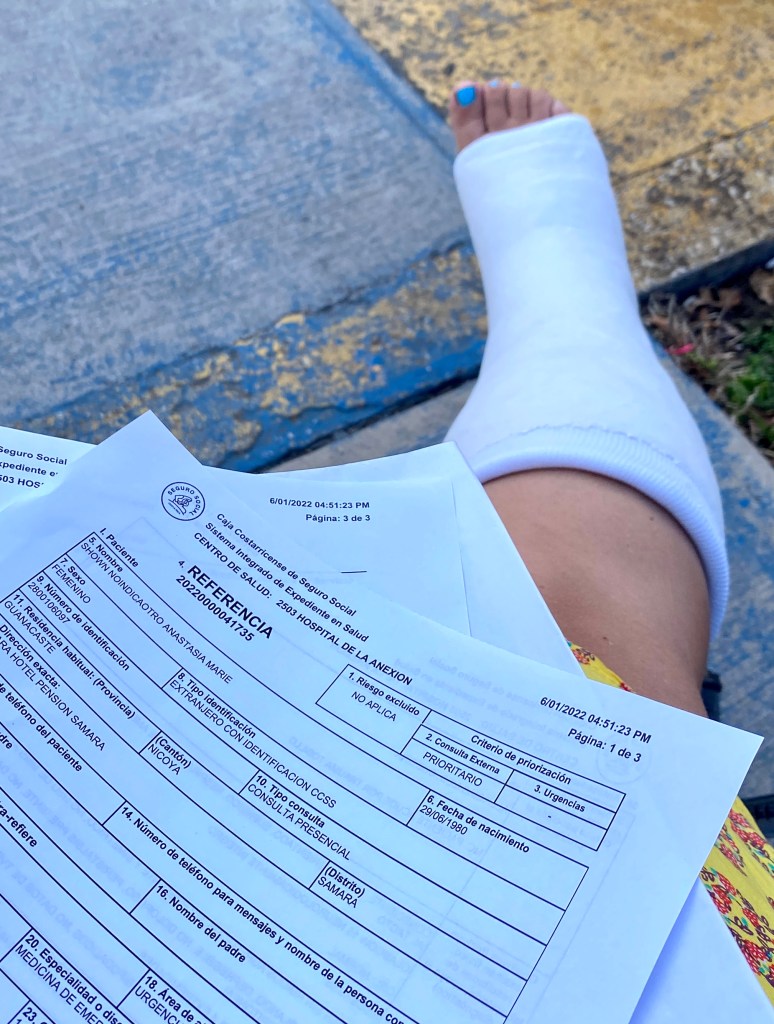
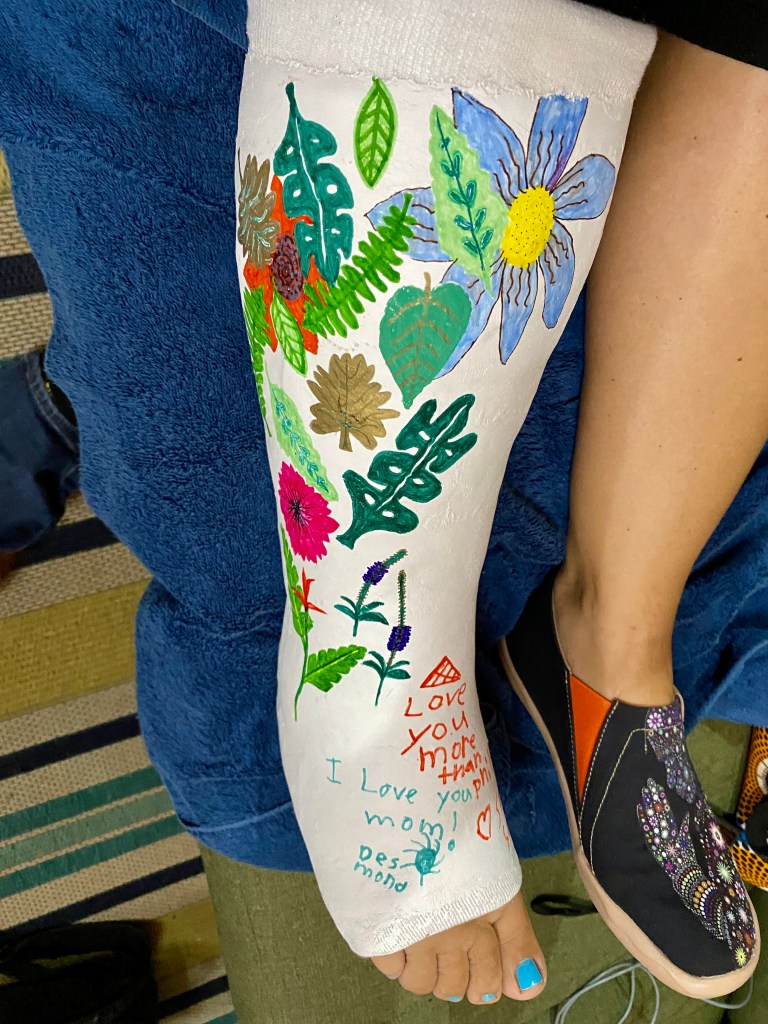
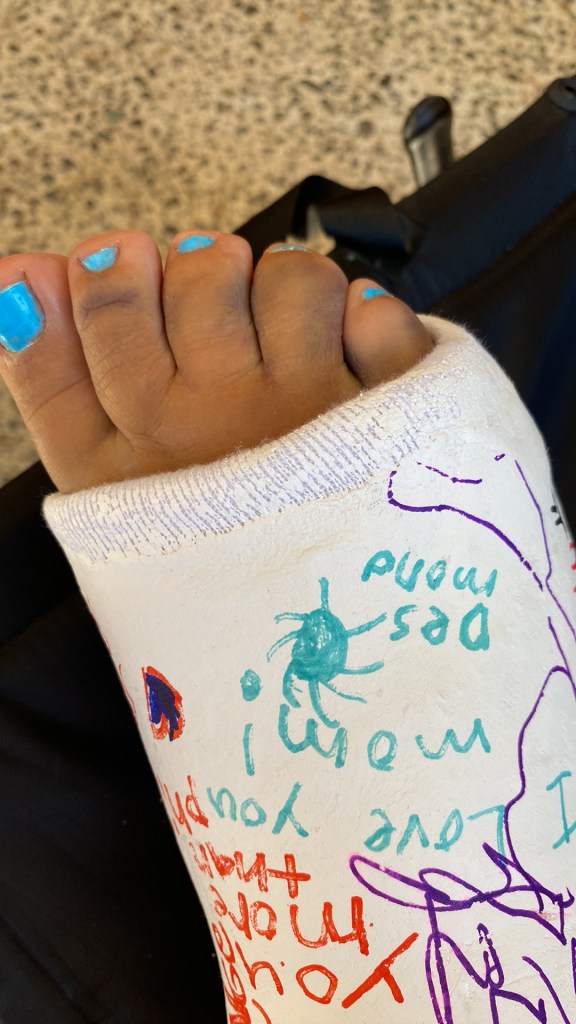
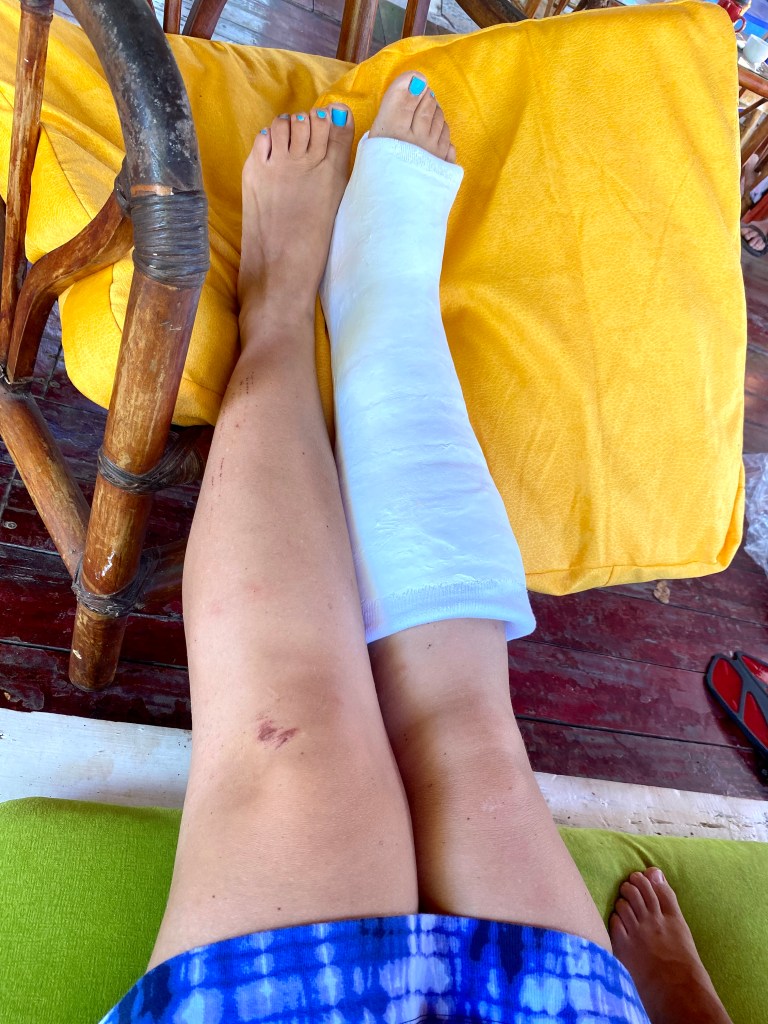
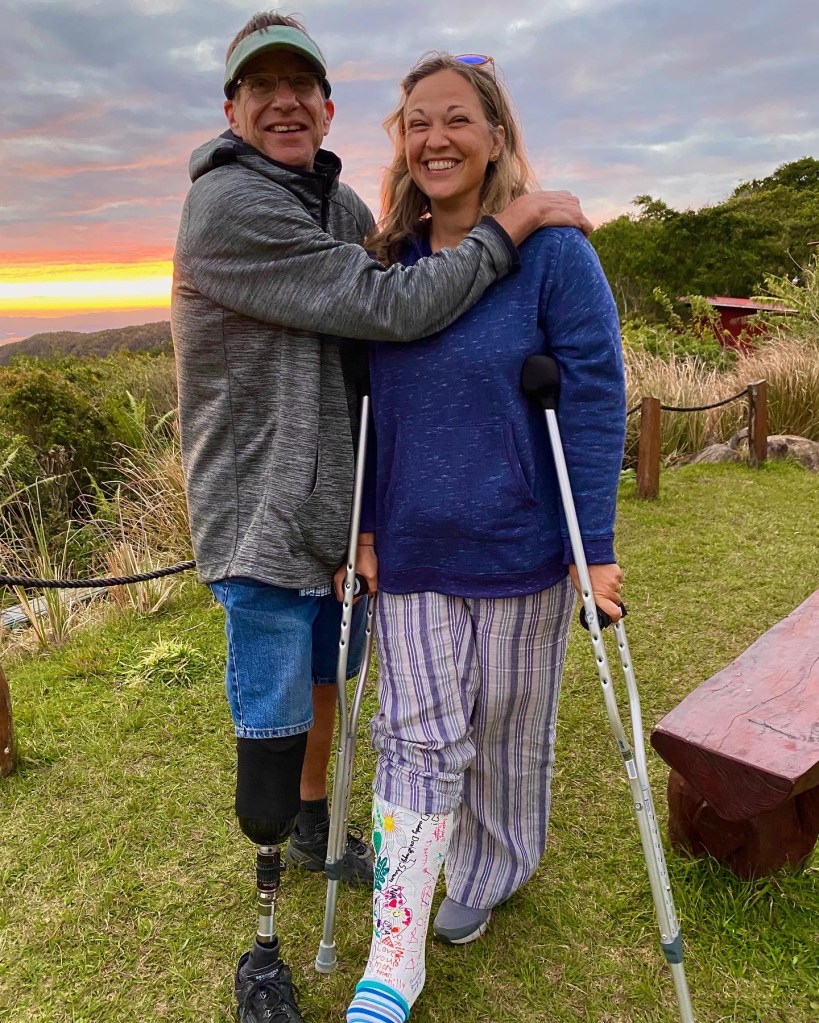
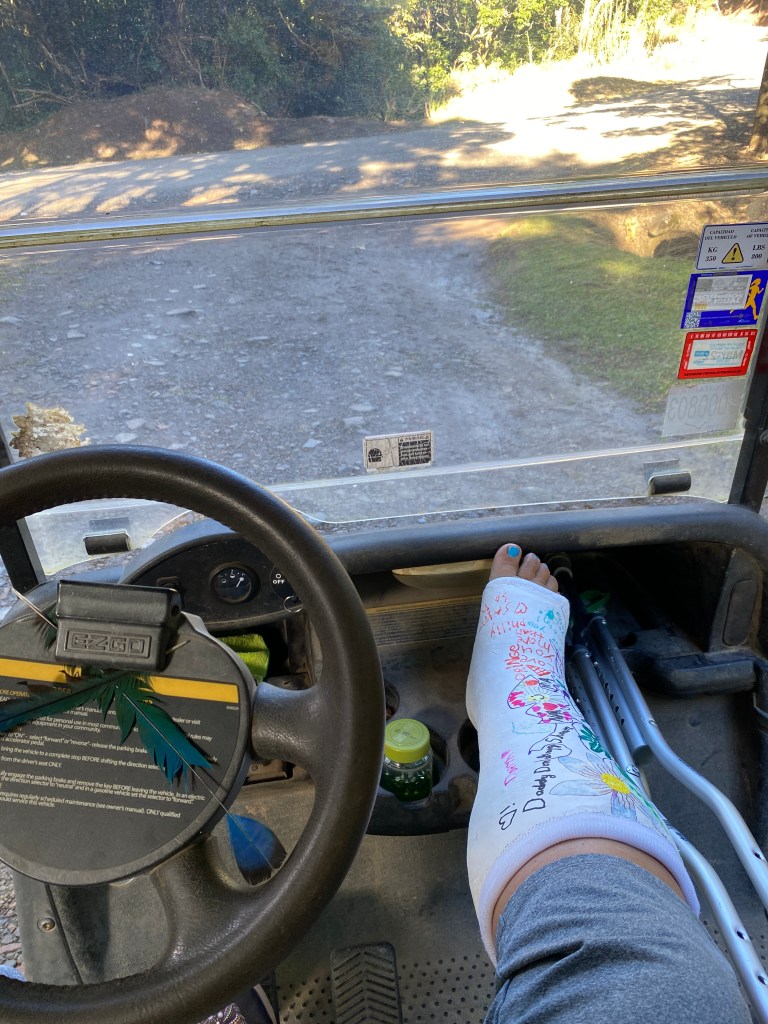
I recently told a friend that to fully experience a country, you have to experience their healthcare system. We are six months into living in Costa Rica and have had some fresh encounters with the healthcare system here. After I broke my leg a couple weeks ago on a waterfall hike with my Dad and the kids, Symeon and I went straight to the small public health clinic in Samara, the Pacific beach town we were visiting. They immediately sent us away because they do not have x-ray equipment or personnel to deal with serious injuries. They suggested a private clinic about 35 minutes away. Once we arrived at the private clinic we were able to get x-rays right away for $60 but no doctor or technician was available to interpret the images or put a cast on my leg. They sent the images to a doctor, presumably over WhatsApp, and we were told he could come at 8pm to cast the leg and it would be $500. He was busy working at the public hospital. Many doctors in Costa Rica work in both public and private hospitals. I have heard this is because the government pays for their education, so it is a requirement to serve in public hospitals. We were also told that there is only one ortho doc serving that whole region. 
We decided to go ahead and try the public hospital, which was 5 minutes away from this private clinic. The private clinic totally understood our need to get faster service and to avoid paying $500. They kindly suggested that when we get to the public hospital I should act dramatic, cry and get a wheelchair. We did just that when we arrived and after a brief check in where I gave my identification number, I was able to talk to a triage doctor. Since I am a teacher here I pay into the public healthcare system and my whole family has access to healthcare at public hospitals and clinics. Without looking at my leg at all he sent me for x-rays. Again, I pushed my broken leg down on the hard, cold surface for some radiation. Images were quickly available to the triage doc. He looked at the images, told me that we needed to go down the hall to get casted and asked me if I wanted hard pain meds via a shot in my butt. I declined. He still never looked at my leg. Truth is he might have said more but this was all Symeon could comprehend. The doc behind the desk didn’t speak English and Symeon was serving as translator. I only understood a few key words.
We rolled down the hall to the plaster room and a nice tech wrapped up my leg into a huge heavy cast. Rare for this region, both the x-ray technician and the tech who casted my leg were Afro-Costaricans and spoke English and Spanish. He told me that I couldn’t walk for a month and I should seek follow-up care in my district after 10 days. Cost = $0 and I was out of there in just over an hour. 

After we returned to our home in Monteverde we tried to get an appointment for follow-up. I was worried that I hadn’t seen an orthopedic doctor yet and my toes were starting to turn purple. We went to the clinic in town to see if they could help us. The Director there said that we would have to go to the public hospital in Puntarenas, a bigger city about an hour and 20 minutes down the mountain. At the hospital, he said we would have to enter the emergency entrance and explain that we wanted to see an orthopedic doctor. He told us it could be challenging because everyone is triaged due to severity and covid was making the hospital very crowded and stretched to capacity. It seemed we couldn’t get a real appointment without going all the way there and waiting and hoping.

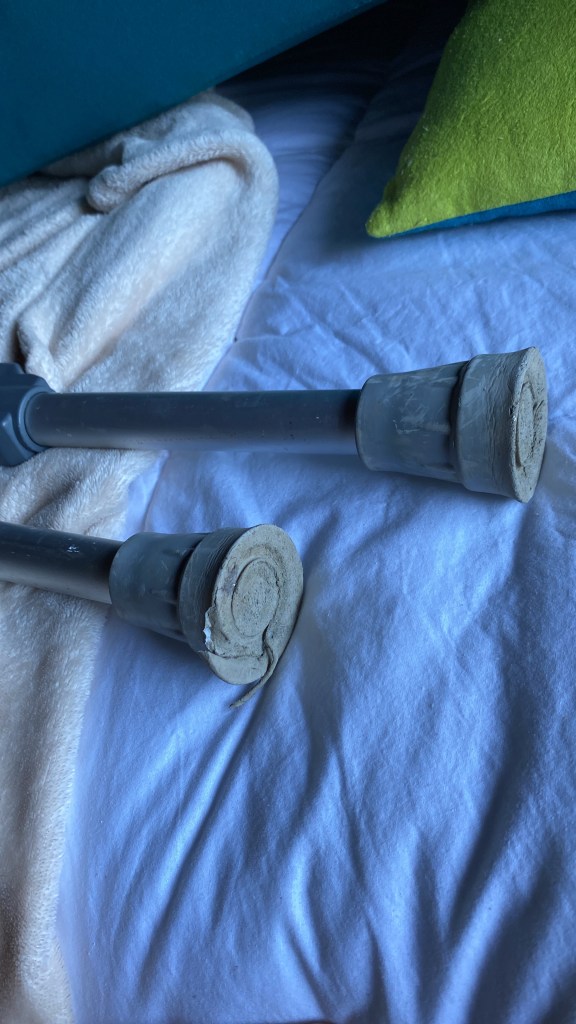
A few colleagues and friends suggested checking out the private clinics in bigger cities. As expected there is a wide range and price level for private doctors. We did a bit of research and settled on a mid-range doctor, also in Puntarenas. My friend at work made an appointment for me and we saw a great orthopedic doctor last week. She was bilingual, did another set of x-rays, explained everything thoroughly, gave me sample vitamins, and suggested new meds. That visit was a little over $100 and included the x-rays. I’m to return in a couple more weeks to remove the cast and transition to a boot with hopes of walking again in March. The good news is that the little fractures in the tibia have healed. Now we wait for the fibula crack to heal. The break is close to the ankle so the key is to avoid surgery. She did note that the plaster cast was very heavy and in the bigger hospitals they use fiberglass, like in the U.S, but it didn’t make sense to re-cast it because it could disturb the leg and right now I need to do everything I can to keep it immobile. She was a bit shocked that I was already back to work and said that I should’ve received a form stating that I can’t work for 30 days. With covid on the rise, teachers and students are getting sick and staffing at my school is stretched thin. I’m now on a modified schedule and my planning periods are back to back so I can go home and get my leg up.

A few blessings- in Philly I would’ve had a very hard time in our 3 story house with no bathroom on the main floor. Here, I’m in a single story house with a nice wide hallway. A friend loaned us her golf cart for a week so I was able to drive that with my left foot to work for a while. Community members have also brought us food- a roasted chicken, cinnamon buns, a loaf of bread, chili, lentil soup, broccoli, a salad, even palak paneer and dal! And ironically my boss and her partner both broke their ankles in the last year so they know a lot of what I’m going through. They have loaned me a wheelchair that I use at work and in the house. Symeon and my Dad, who is visiting, are doing lots of the house work. Symeon is mentally stretched thin as the kids and I constantly ask for his help and he tries to work his U.S.-based job with deadlines and demands. 

Yesterday the kids finally got their first covid vaccine. In Costa Rica they started vaccinating kids under 12 this January. All children, regardless of residency status, can get a vaccine. They got their shot at the public clinic and have an appointment for their second shot. Symeon and I are still waiting for our booster shots. They are only available to people 58+ right now. 

With these two experiences with healthcare here, I have a positive opinion. The public health system is serving everyone for no cost and the only difficult part is that you have to wait a lot and travel far for things like x-rays and specialists if you live in rural areas. The private healthcare available doesn’t cost thousands of dollars or have long wait times to get appointments. There are lots of options to see doctors at private clinics for a fraction of what you would pay in the U.S. From talking to folks here, it seems they use a combination of private and public depending on the issue and what they can afford. In total, I think my care will be about $300 and that includes a combination of private and public care, a new boot that I ordered from San Jose and had delivered in a bus up to Monteverde, gas money for the trips to and from the doctor, and hopefully some physical therapy. This is expensive though for the average Costa Rican who makes only $12,000 a year. We can only afford this because of Symeon’s job. My job wouldn’t cover our monthly expenses plus this. 

Healthcare is a human right and the situation in the U.S. is a gross violation of that right. Access to free and affordable quality healthcare is crucial to all other aspects of wellbeing. I applaud Costa Rica for moving funds away from militarization and into healthcare and education.

Stay healthy. Take care of each other. 

———–

Pics from my Dad’s time here:

Happy Be Like Barb Day! 

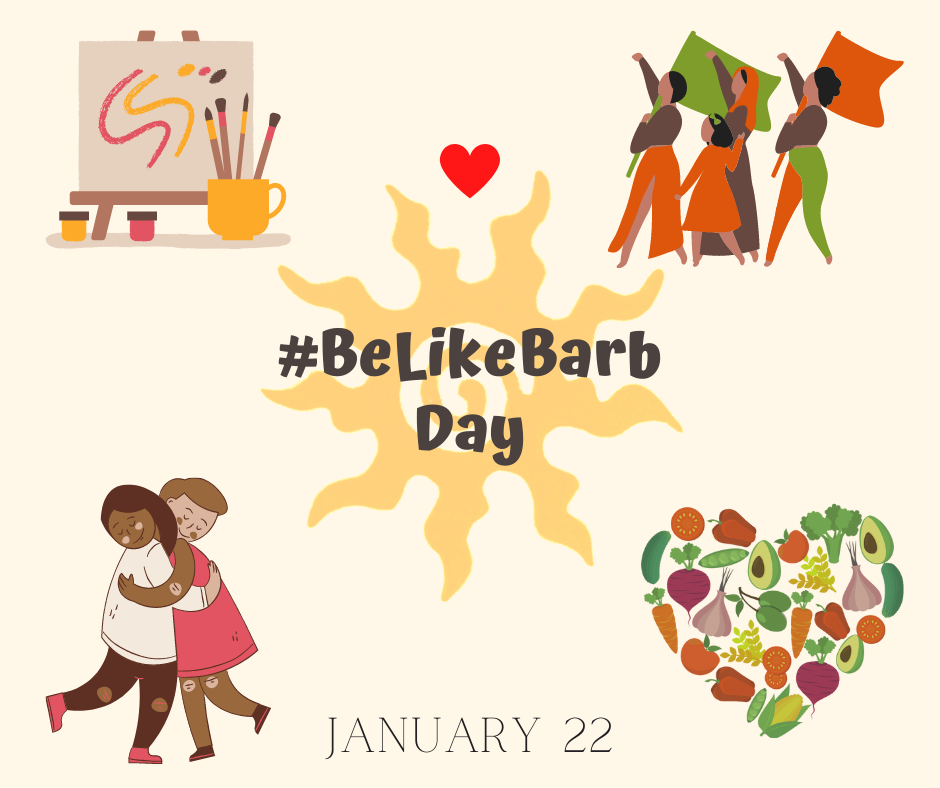
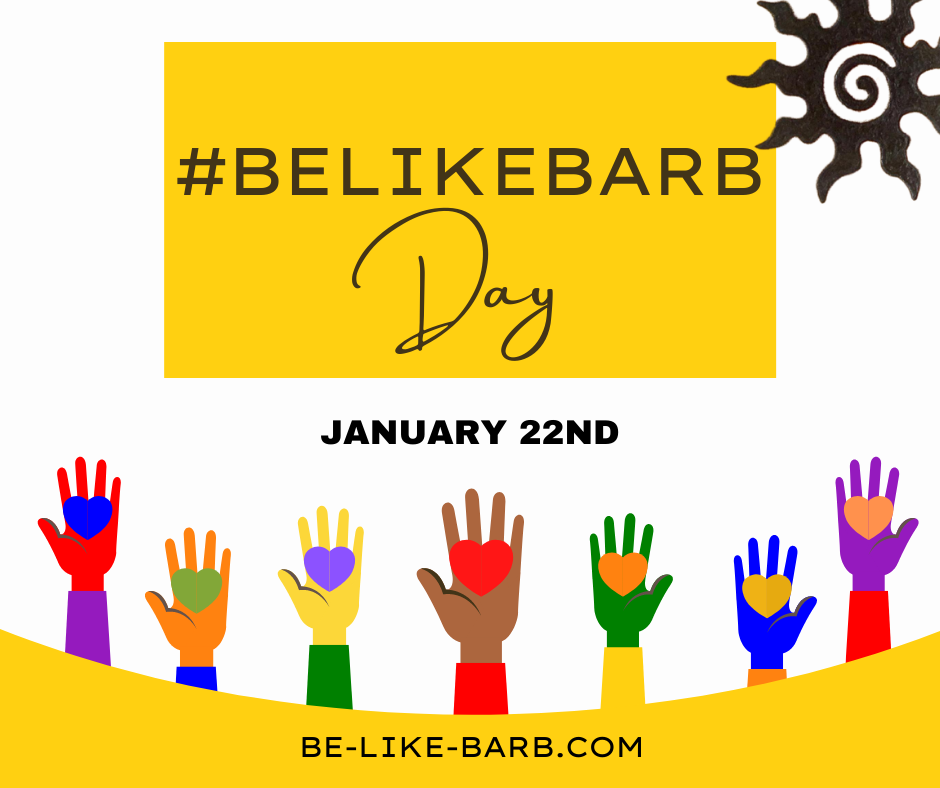
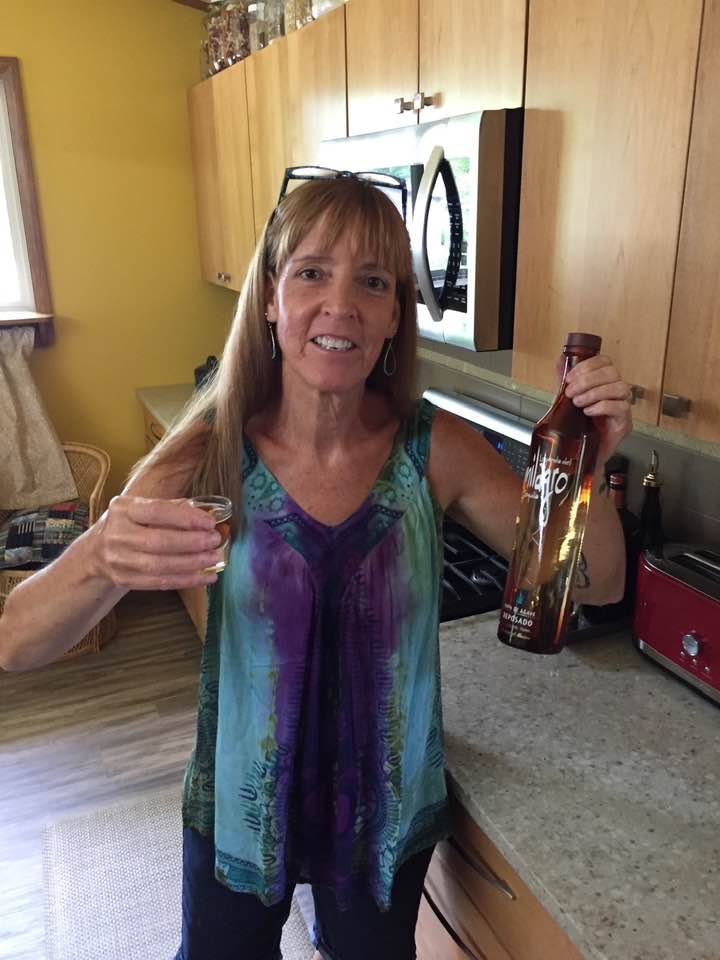
I planned to write on Saturday, the second anniversary of my mom’s death, but since that day is already hard and writing about her just makes me sob, I decided to stay busy. We did go out for tacos and I had a michelada (best drink ever, one of her faves) and we had a family zoom call where we shared memories and did a “Saturday shot” in her memory. The best part about the day was that my cousin Kristin declared it “Be Like Barb Day.” She made these amazing graphics and encouraged others with this post: 

“The world needs more people like My Aunt Barb. The artist, the activist of human rights and health, the peacemaker and conservationist, the selfless giver of help and love. Today and every day I strive to be more like her. We miss her so much. Join me in #BeLikeBarbDay. Make art for a friend, fight for the rights of someone other than yourself, celebrate holidays and achievements of others, make someone feel special, nourish a loved one’s body with a healthy meal or drop veggies at their door, and don’t forget to love yourself. Today, and every day, let’s #belikeBarb.” 

My dad said that most often the tears flow, not out of sadness, but out of pride. He is just so proud to have a partner that left behind a legacy that encourages others to do good in the world. He loves every hashtag and comment so keep sharing and using her memory to bring about beauty and change for good in the world.

Here’s a fun way to get started by yourself or with your family. Color in her design, the “sun” flower for every act of kindness. I’ll check back on your progress next Jan 22nd. #belikeBarb

A travel appreciation post…

December 1st is Abolition of the Army Day in Costa Rica. The national holiday is being observed on a Monday this year so that Costa Ricans can enjoy a 3-day weekend and partake in local tourism. Since the pandemic, international tourism is down. The tourism industry is a huge part of the livelihoods here. Just like the U.S. National Parks that are seeing more American visitors this year, Costa Ricans are spending time at their own parks, beaches and historical sites.

In 1949 Costa Rica became the first country in the world to abolish the army. This act showed the world that it was possible to invest heavily in social development by prioritizing the environment, healthcare and education. In Costa Rica, healthcare and education is available for all citizens, permanent residents and any children in the country. The border between Costa Rica and Panama became the only non-militarized border in the world after Panama followed Costa Rica’s example and abolished its military in 1989. On Wednesday we will celebrate the Abolition of the Army Day at school with “peace” activities.

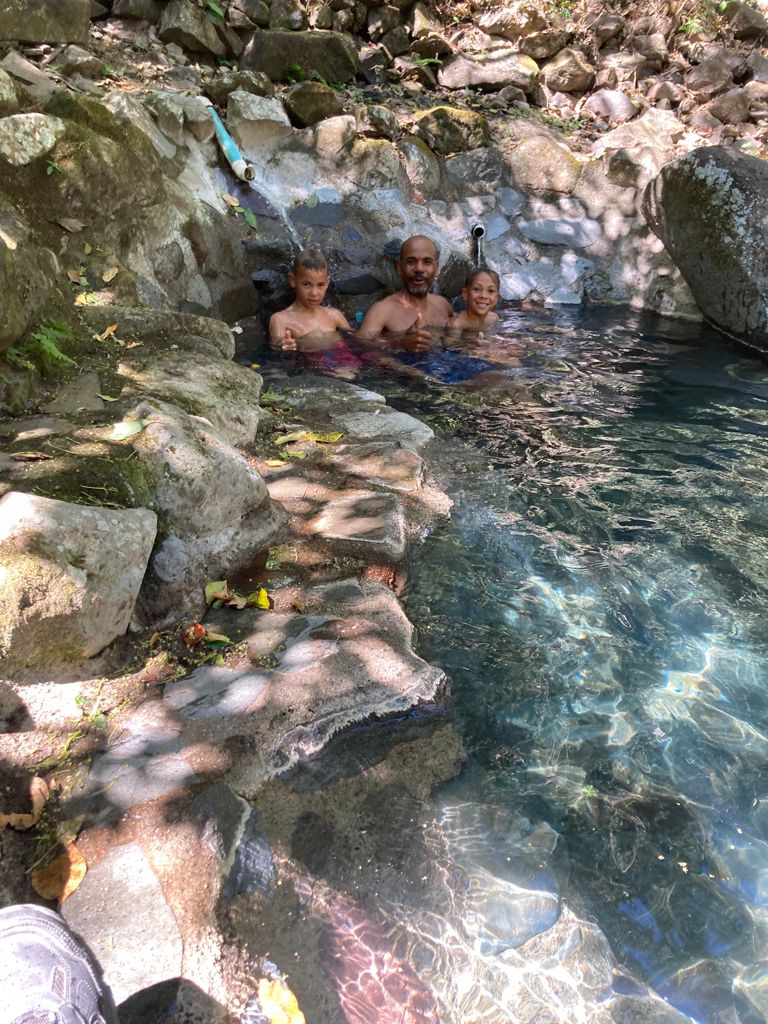
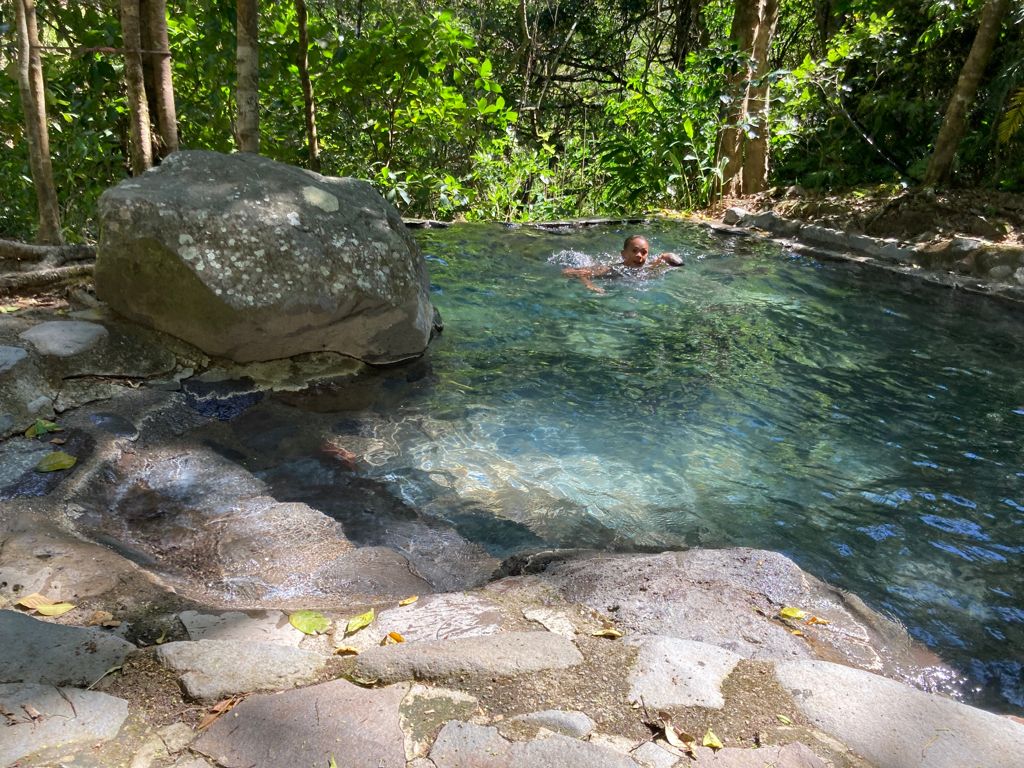
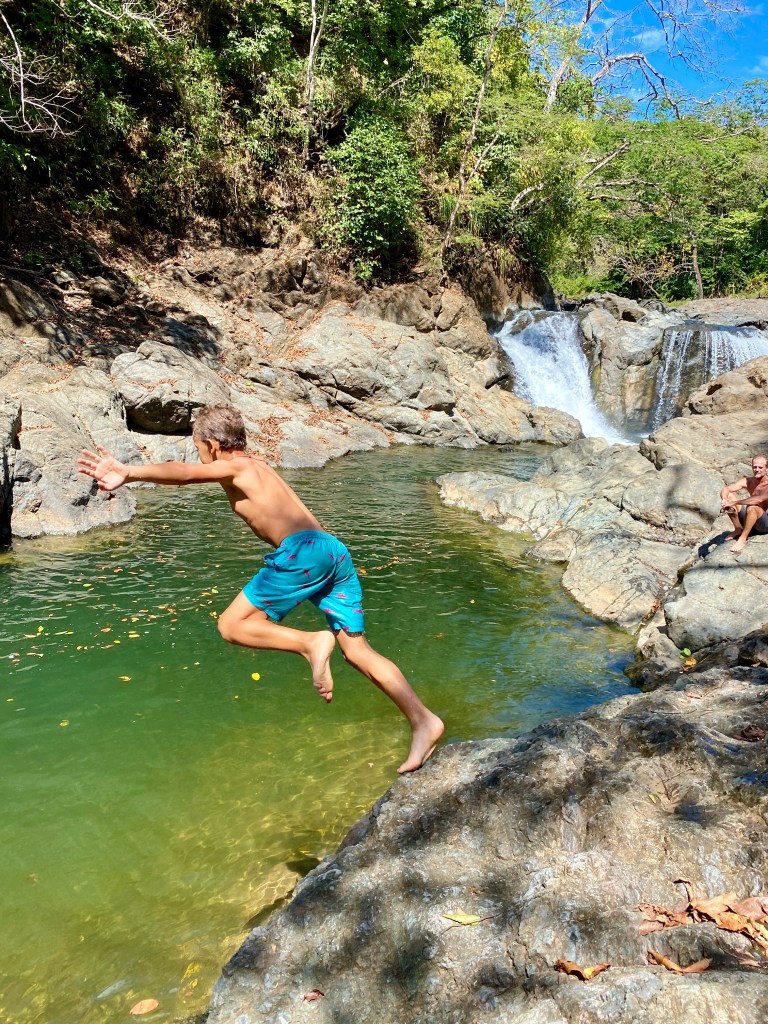
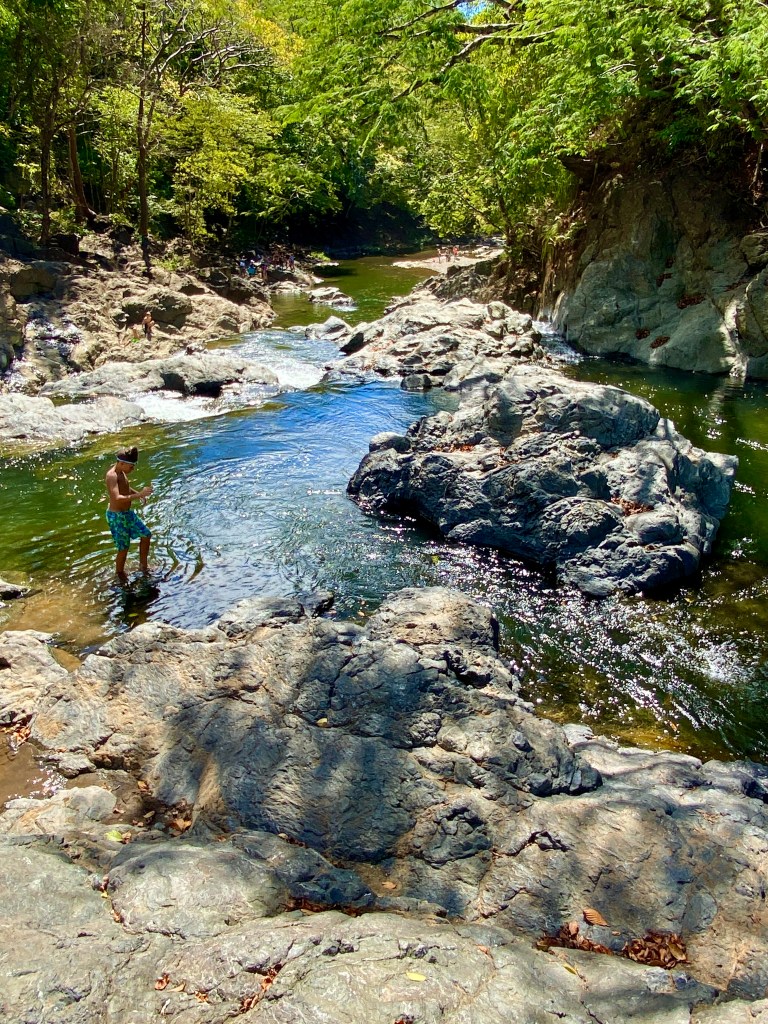
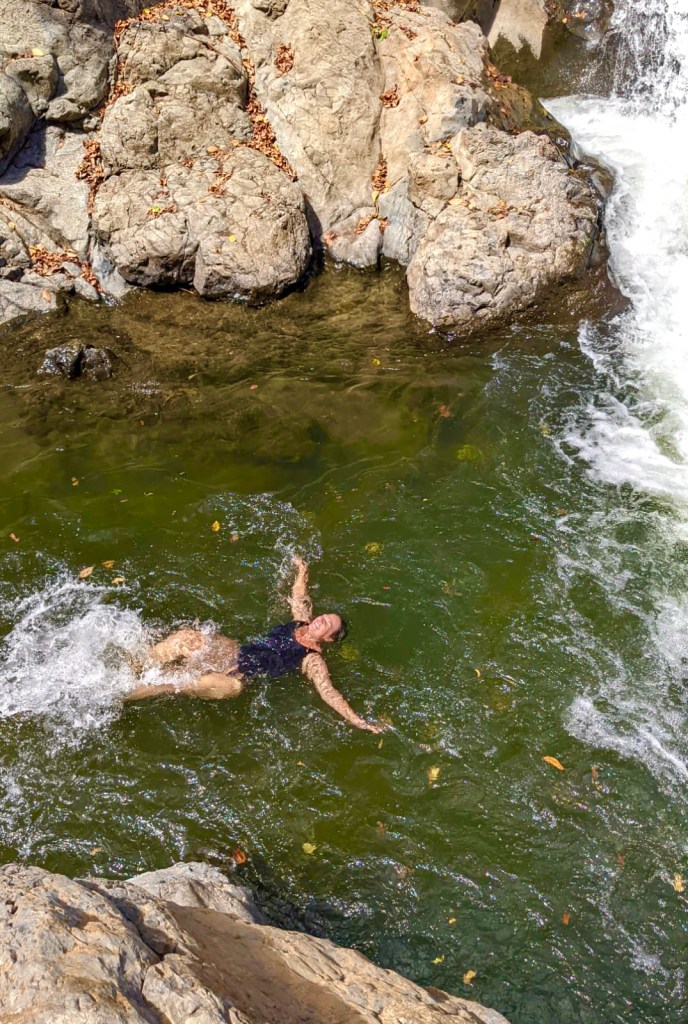
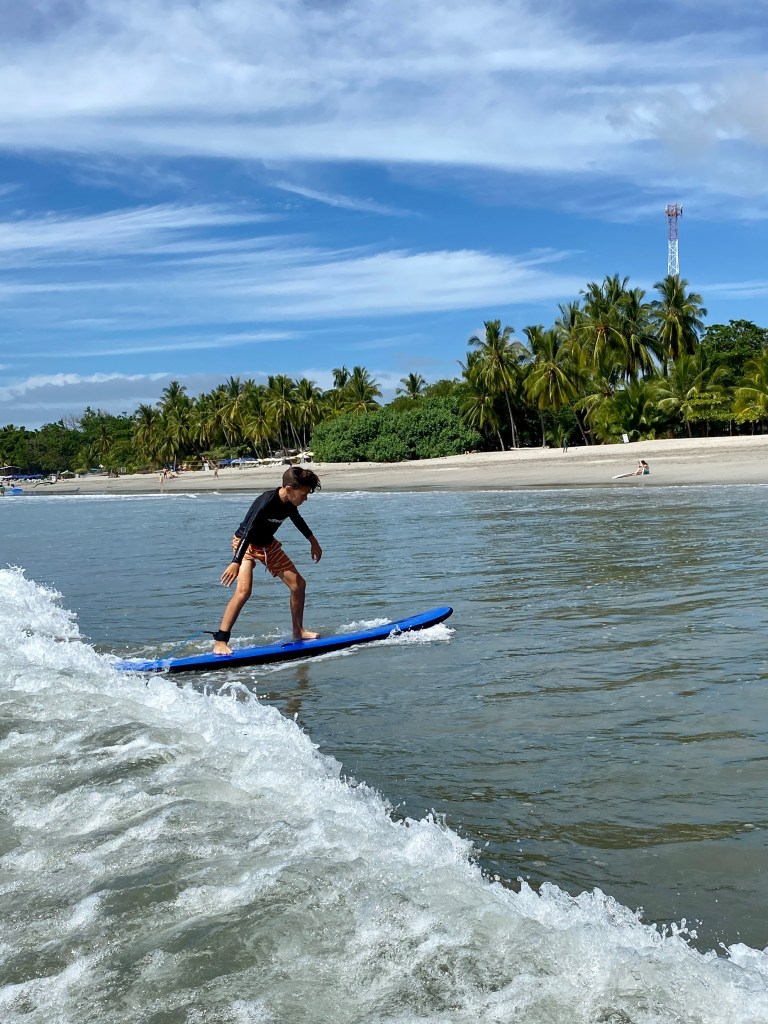
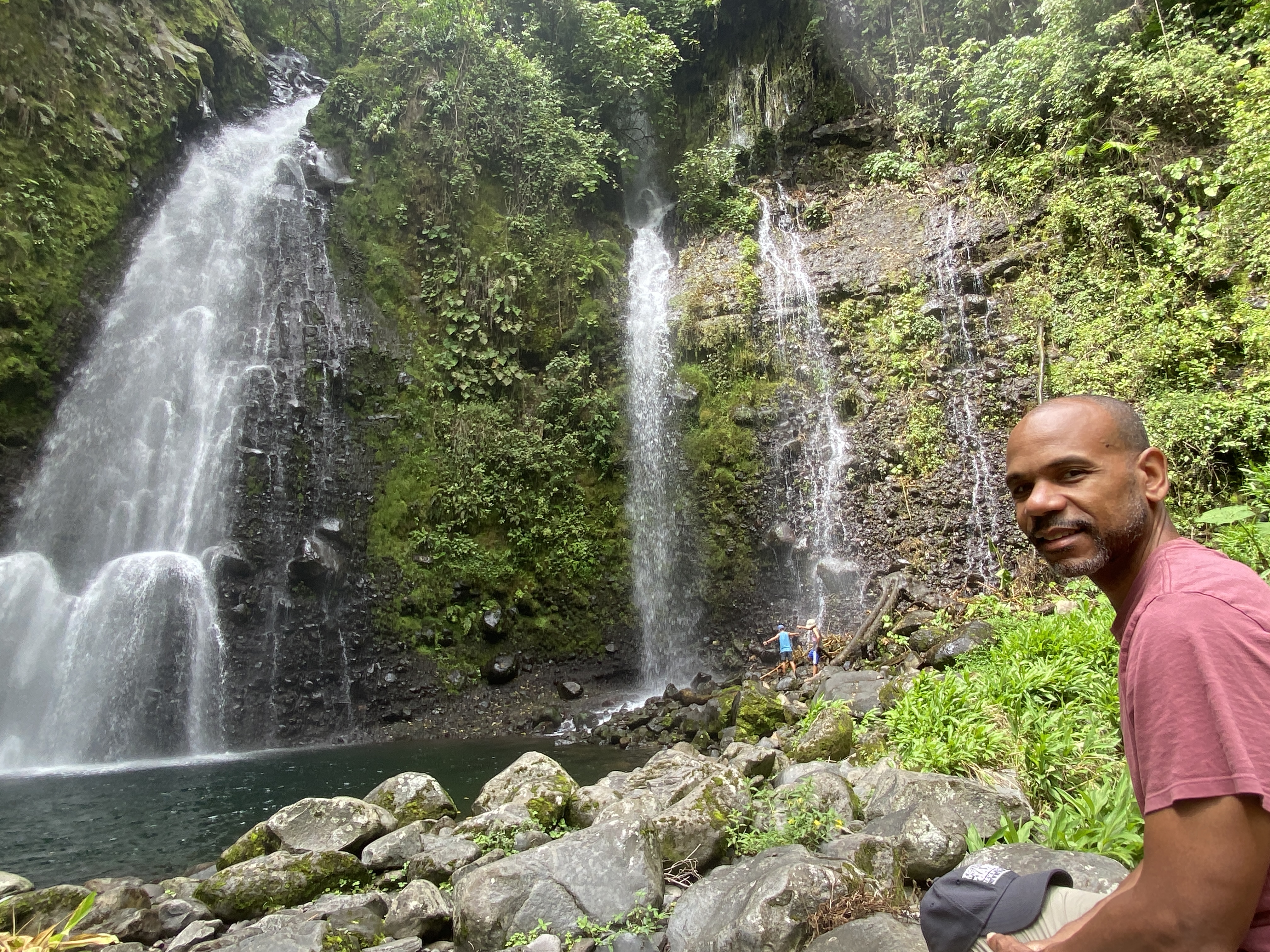
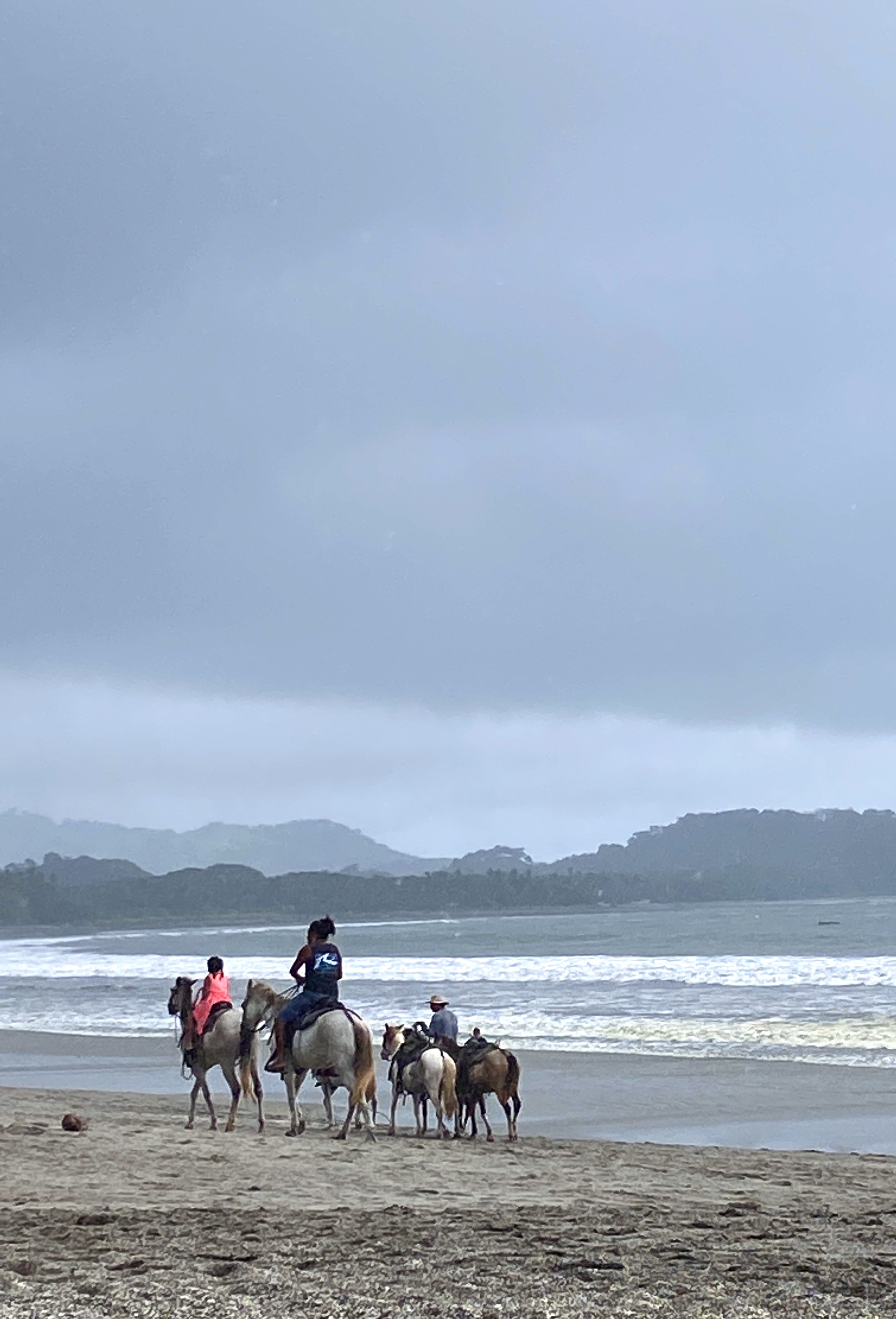
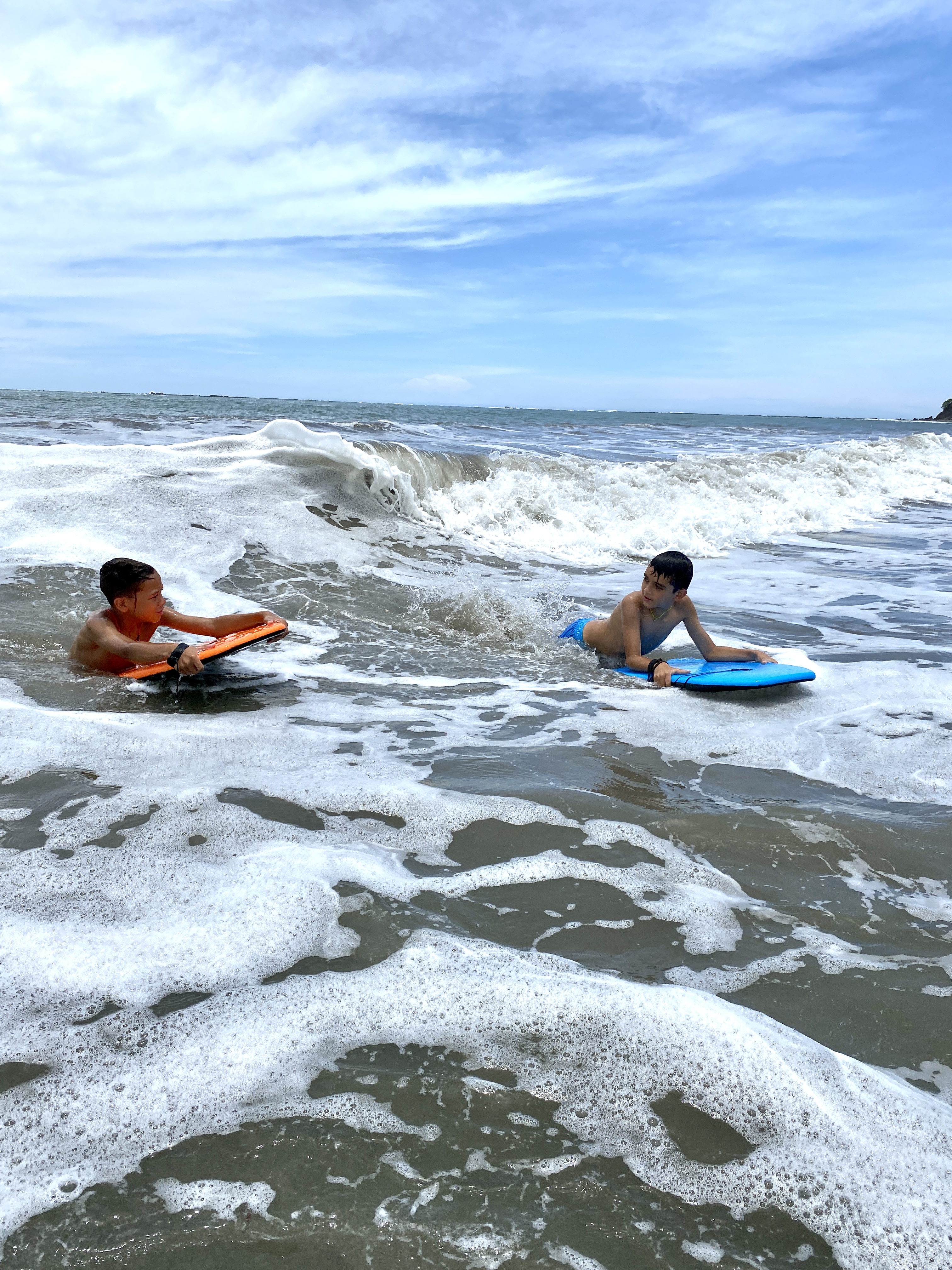
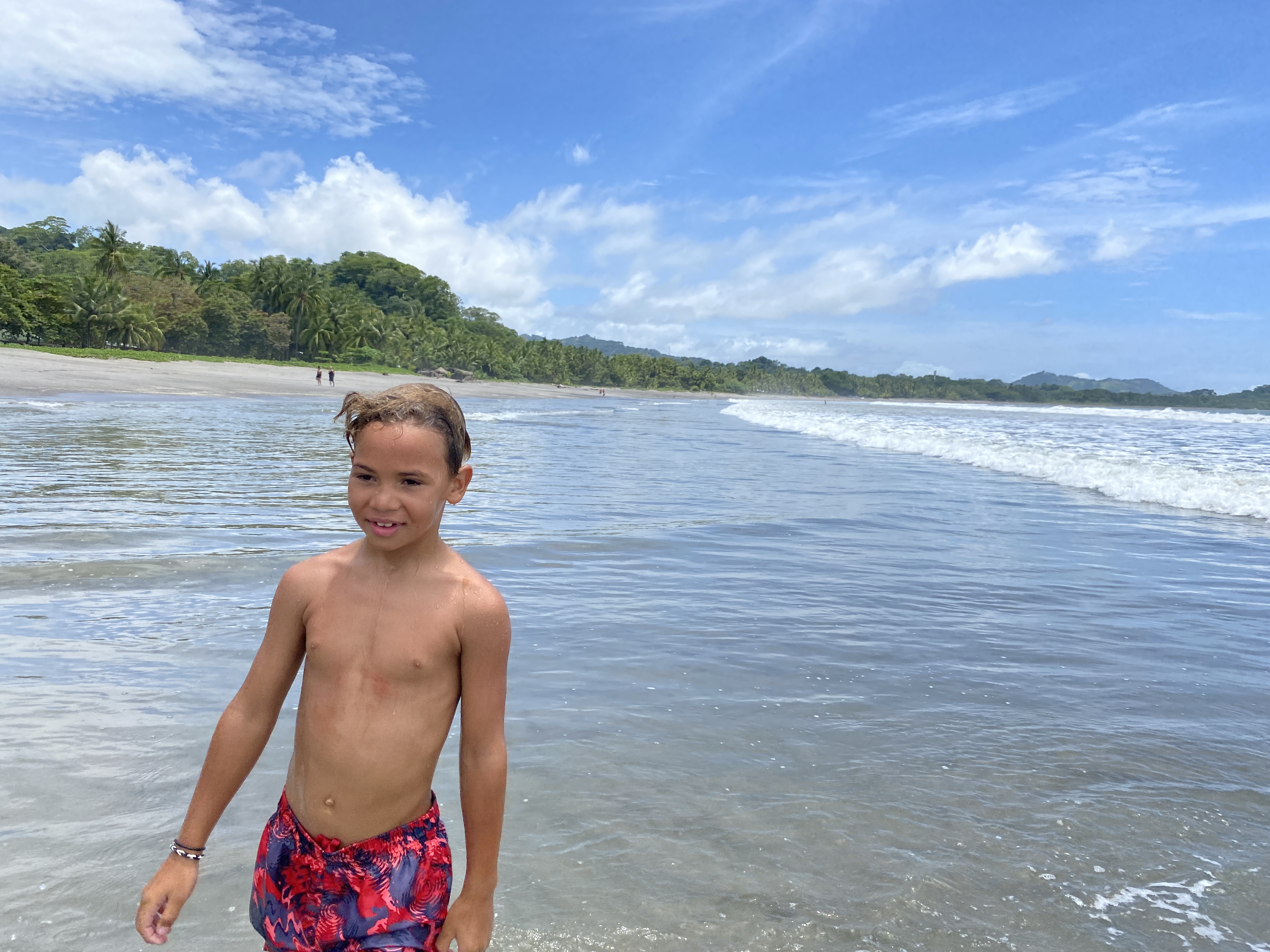
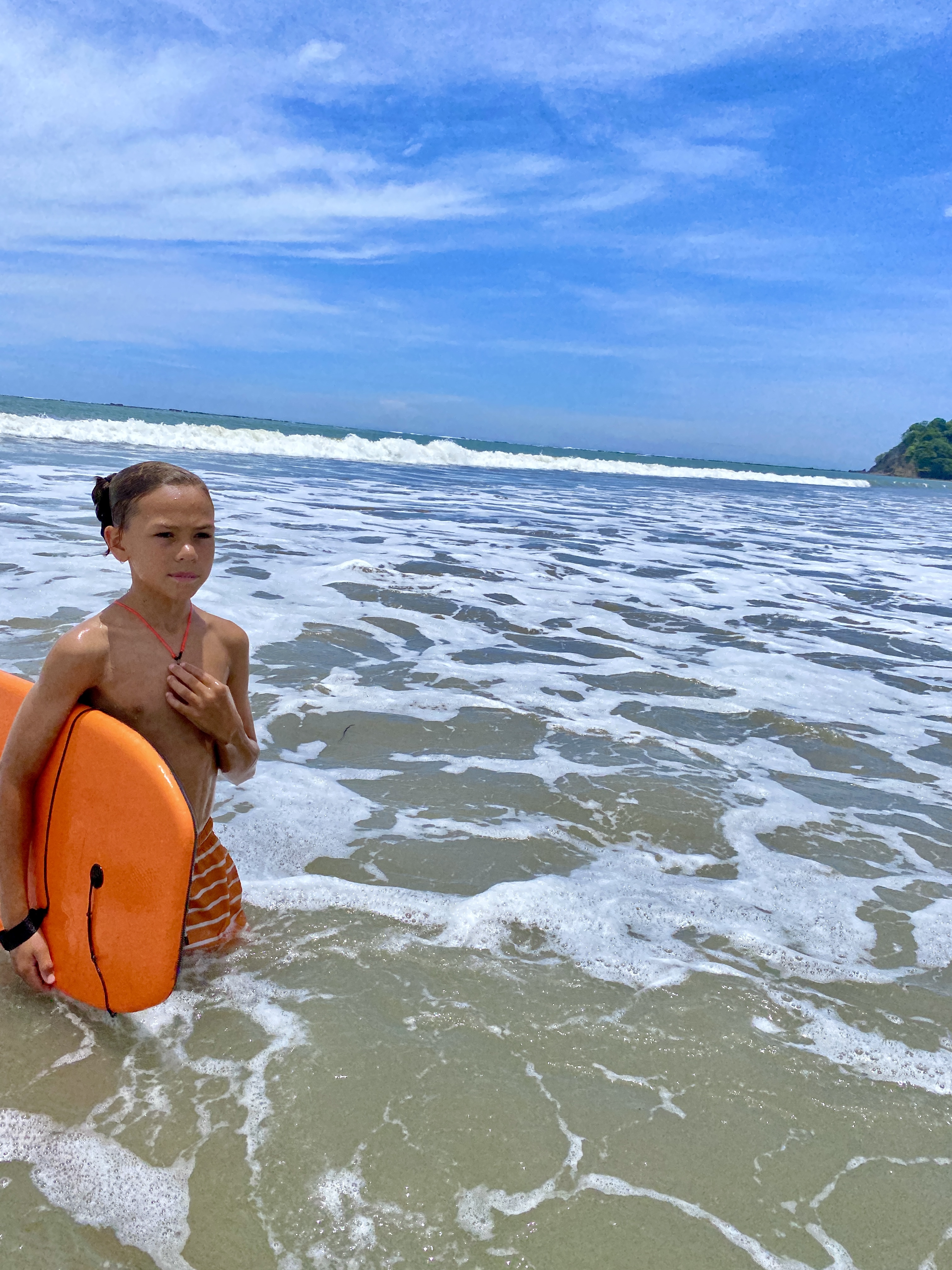
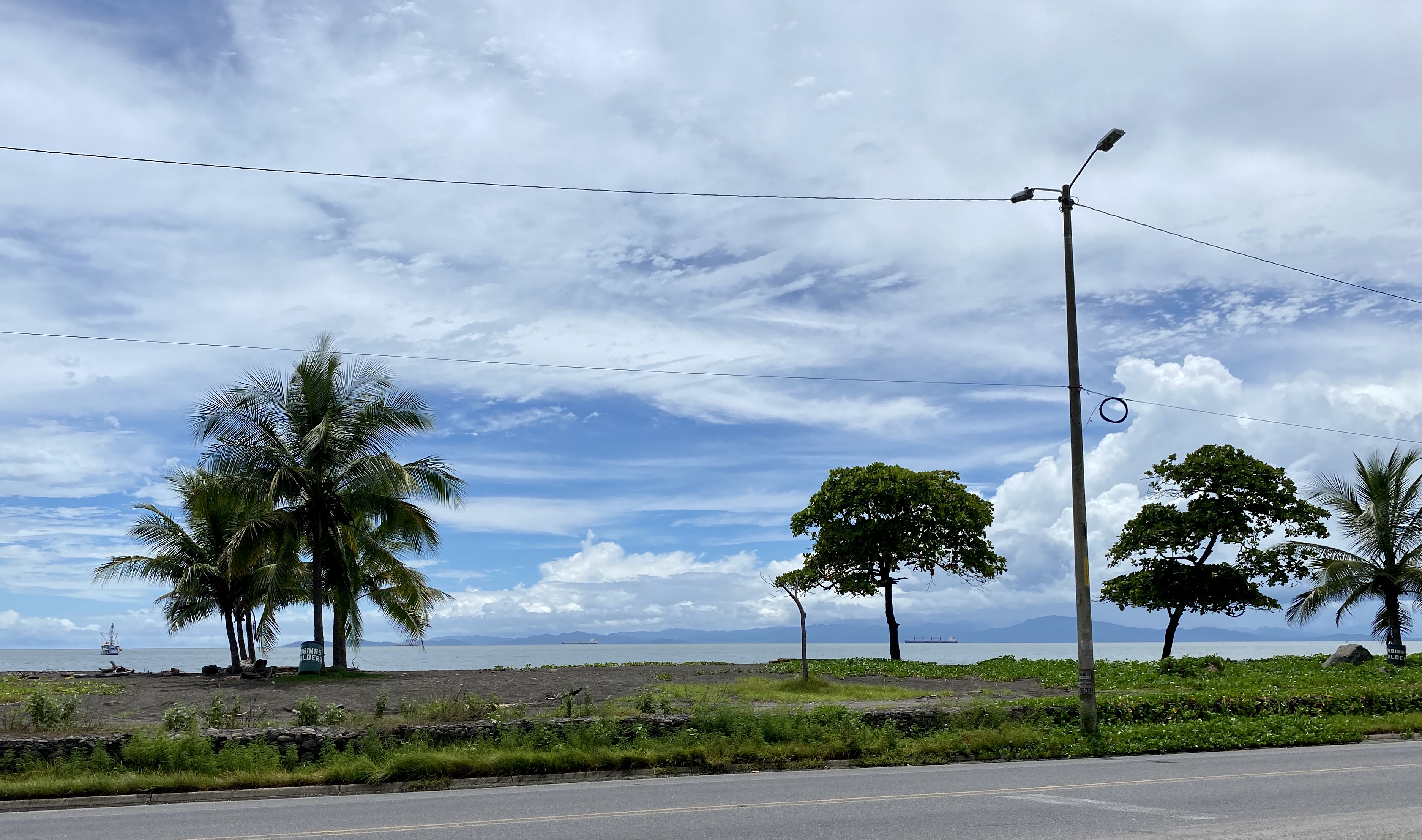
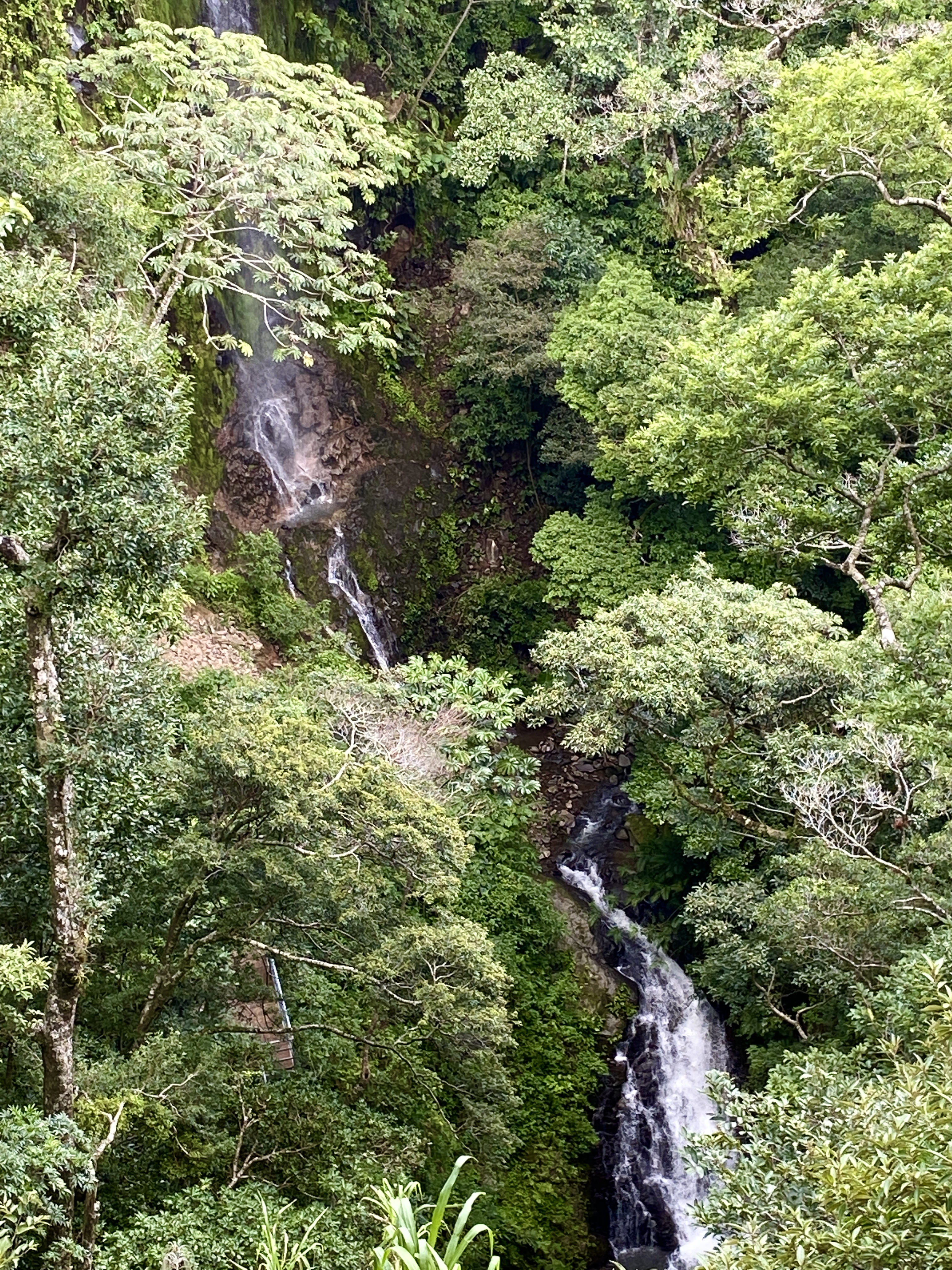
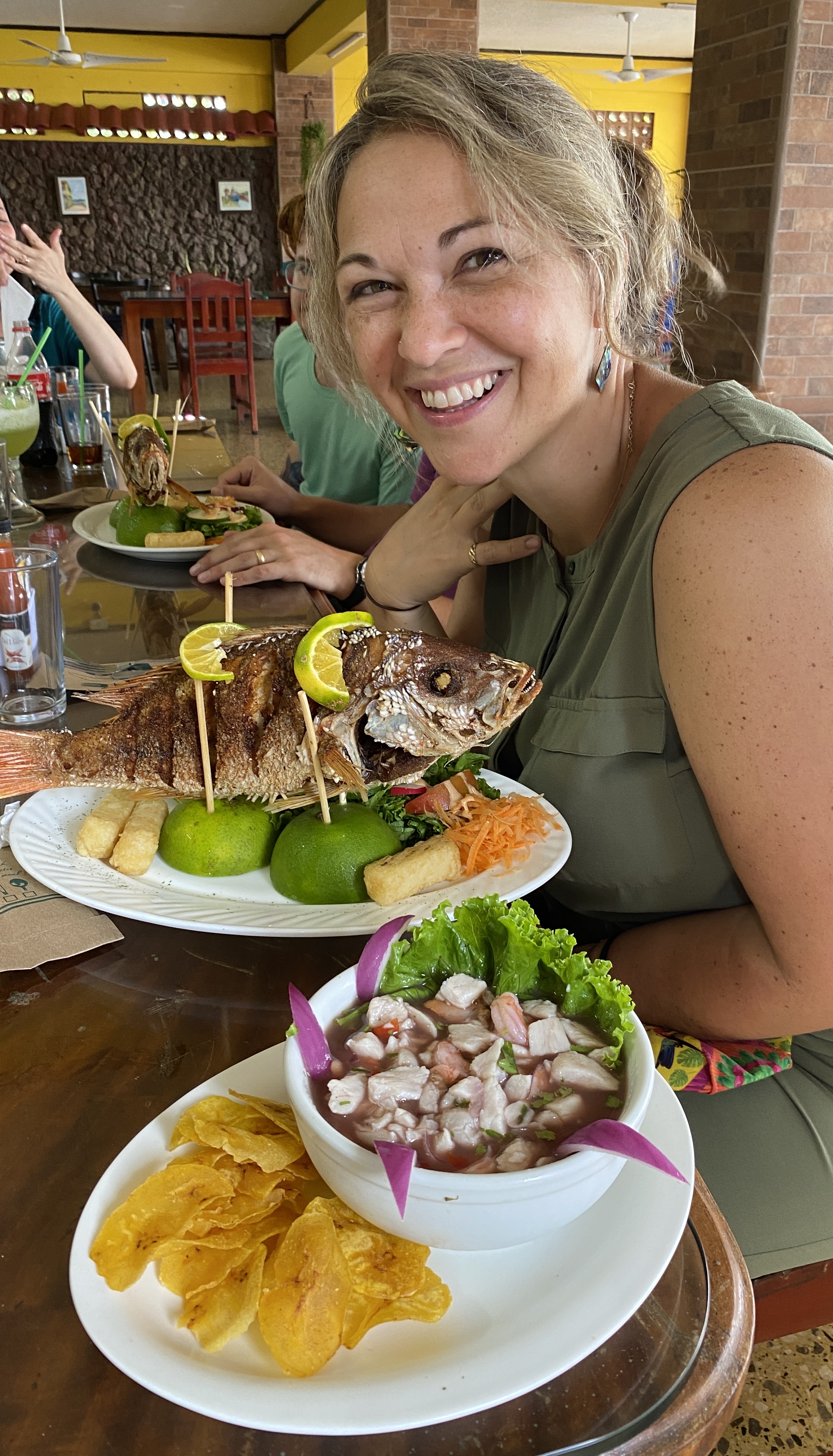
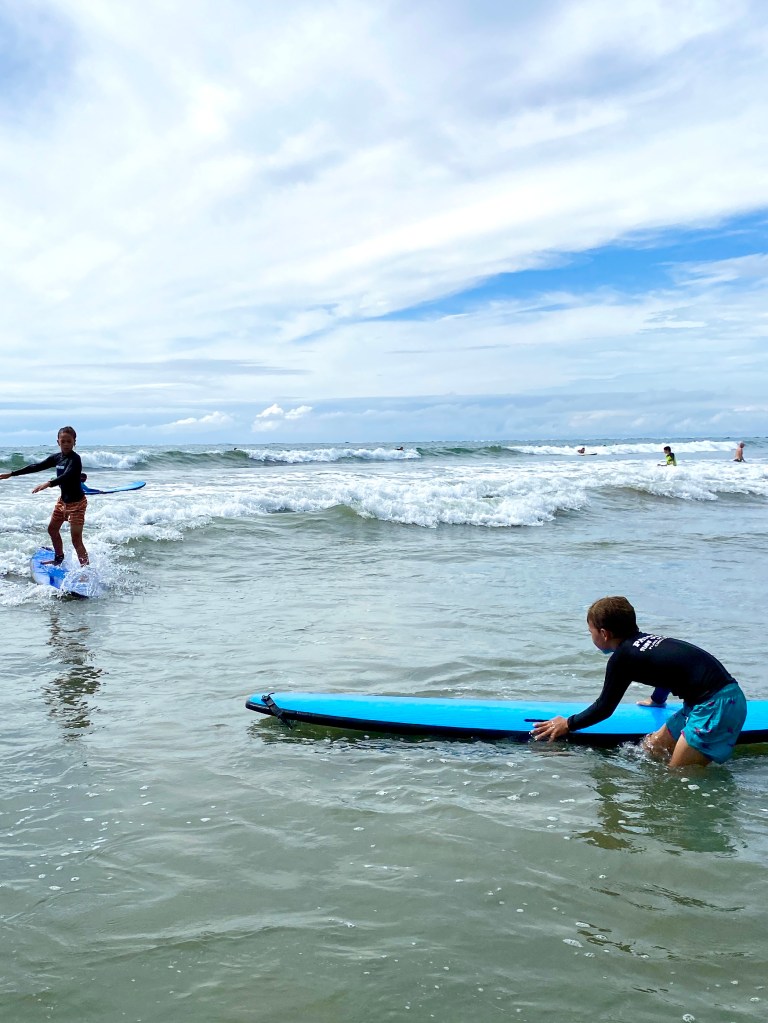
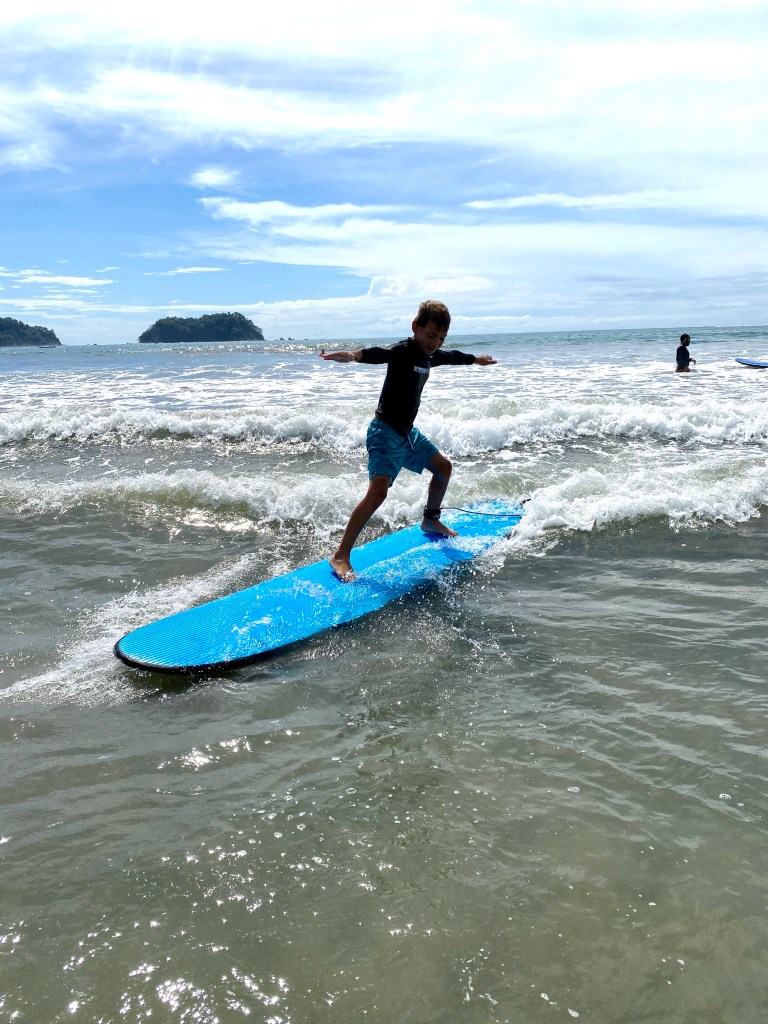
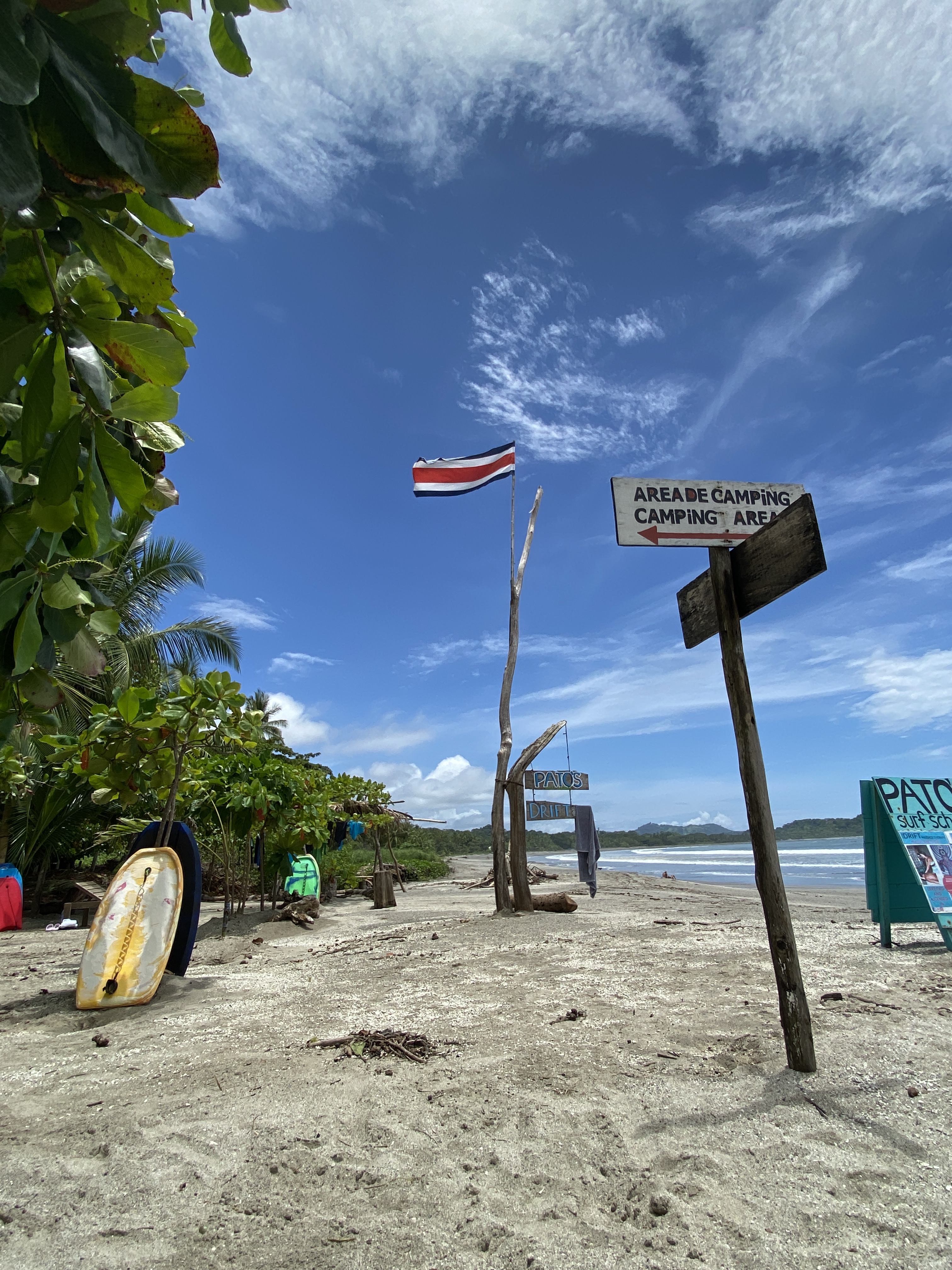
Since is was a holiday weekend, we left the mountain for the beach and warmer, drier weather. We went to Samara on the Pacific Ocean side with a few friends. The kids all learned to surf and we had delicious seafood. On the way back we found a beautiful spot, Belen Waterfalls, where there were little pools to swim in and rocks to climb.

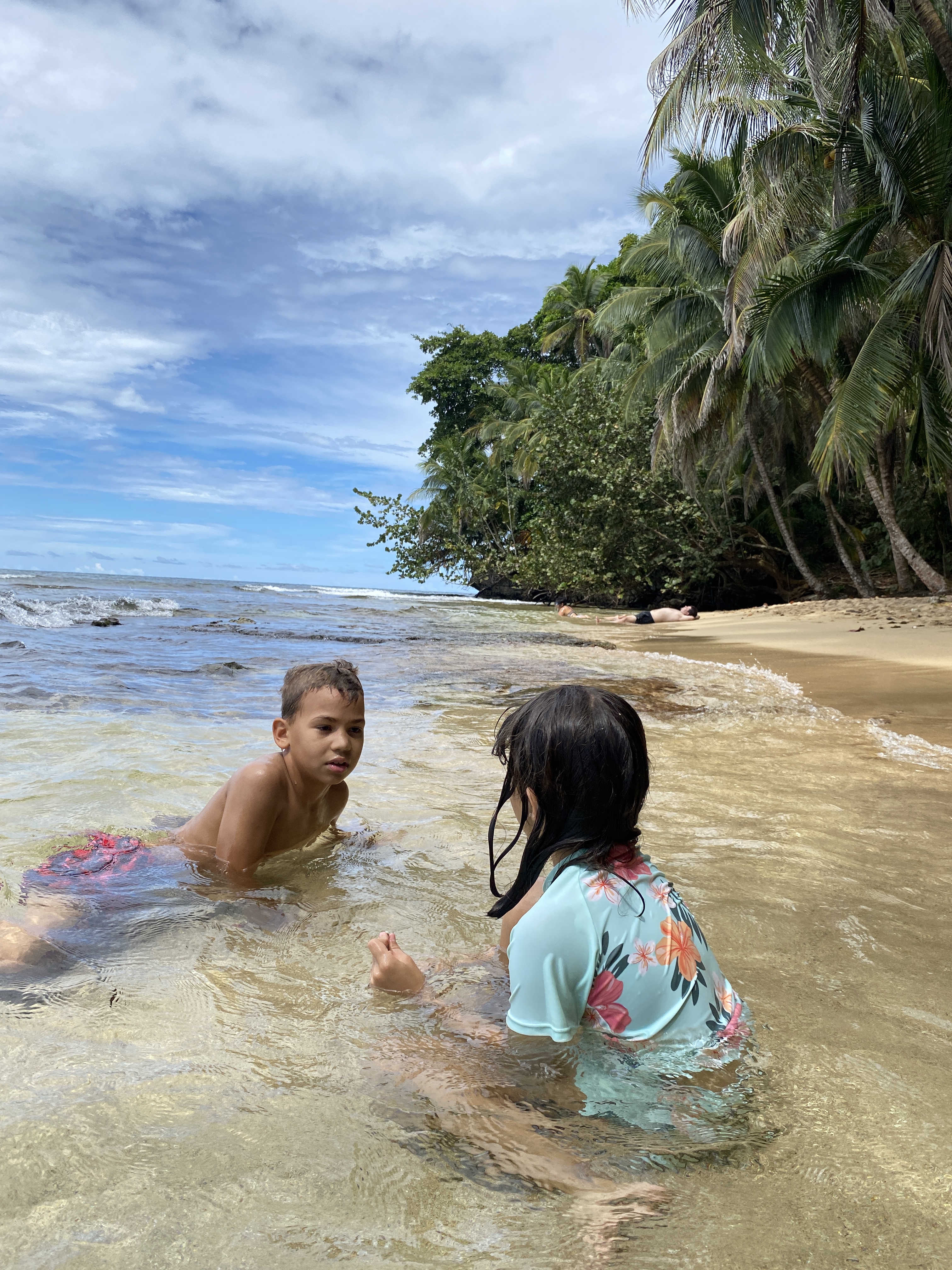
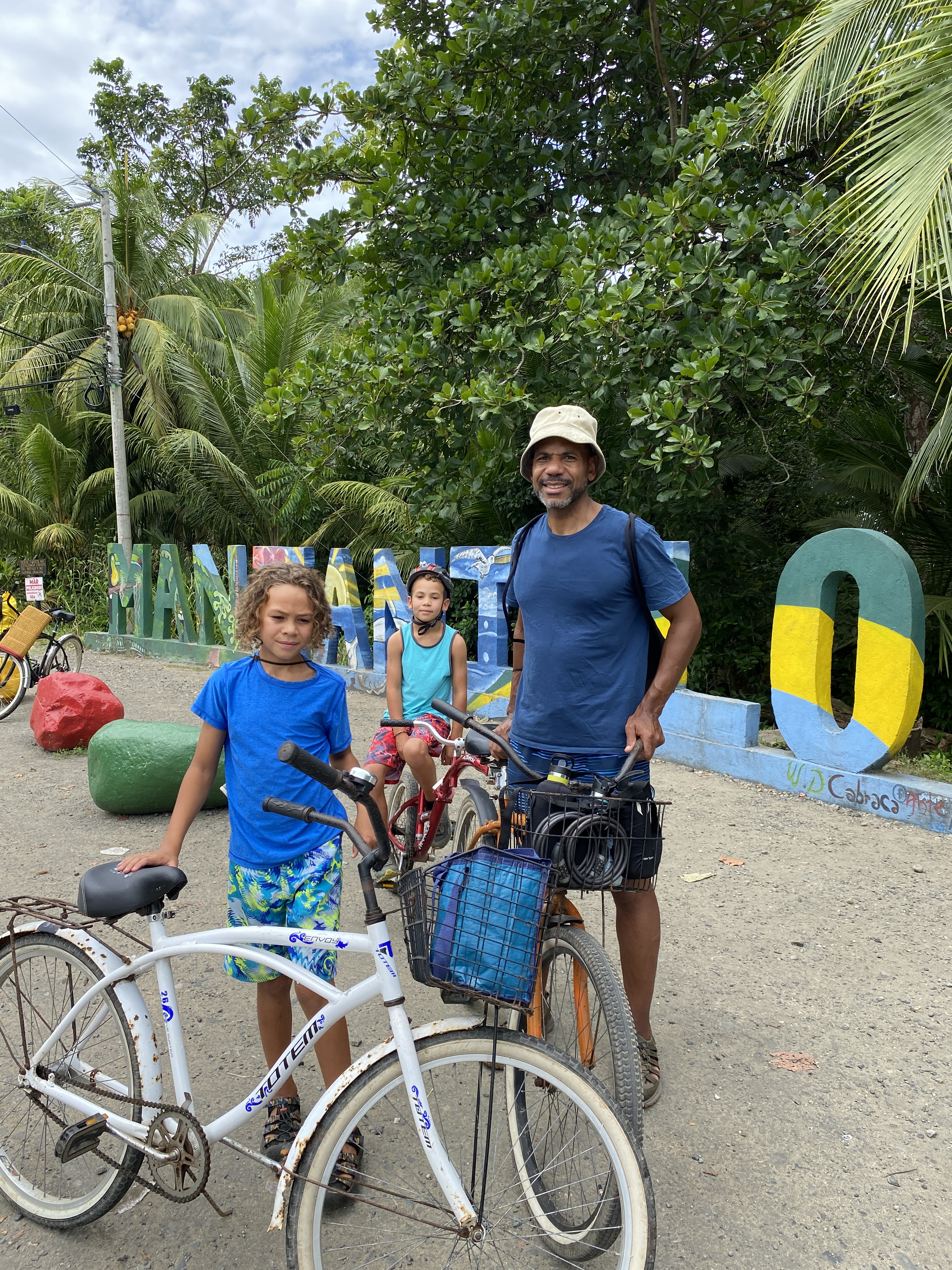
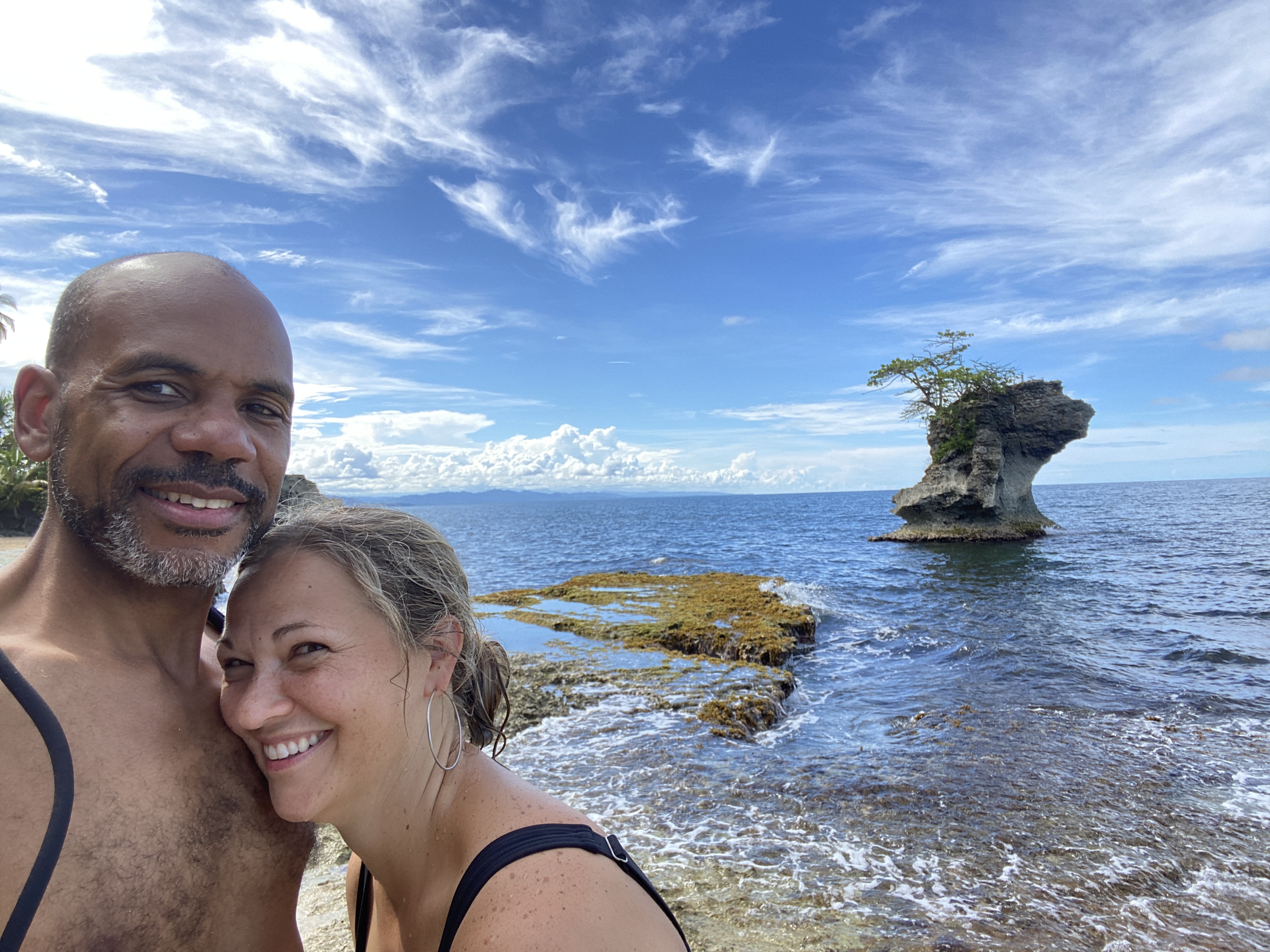
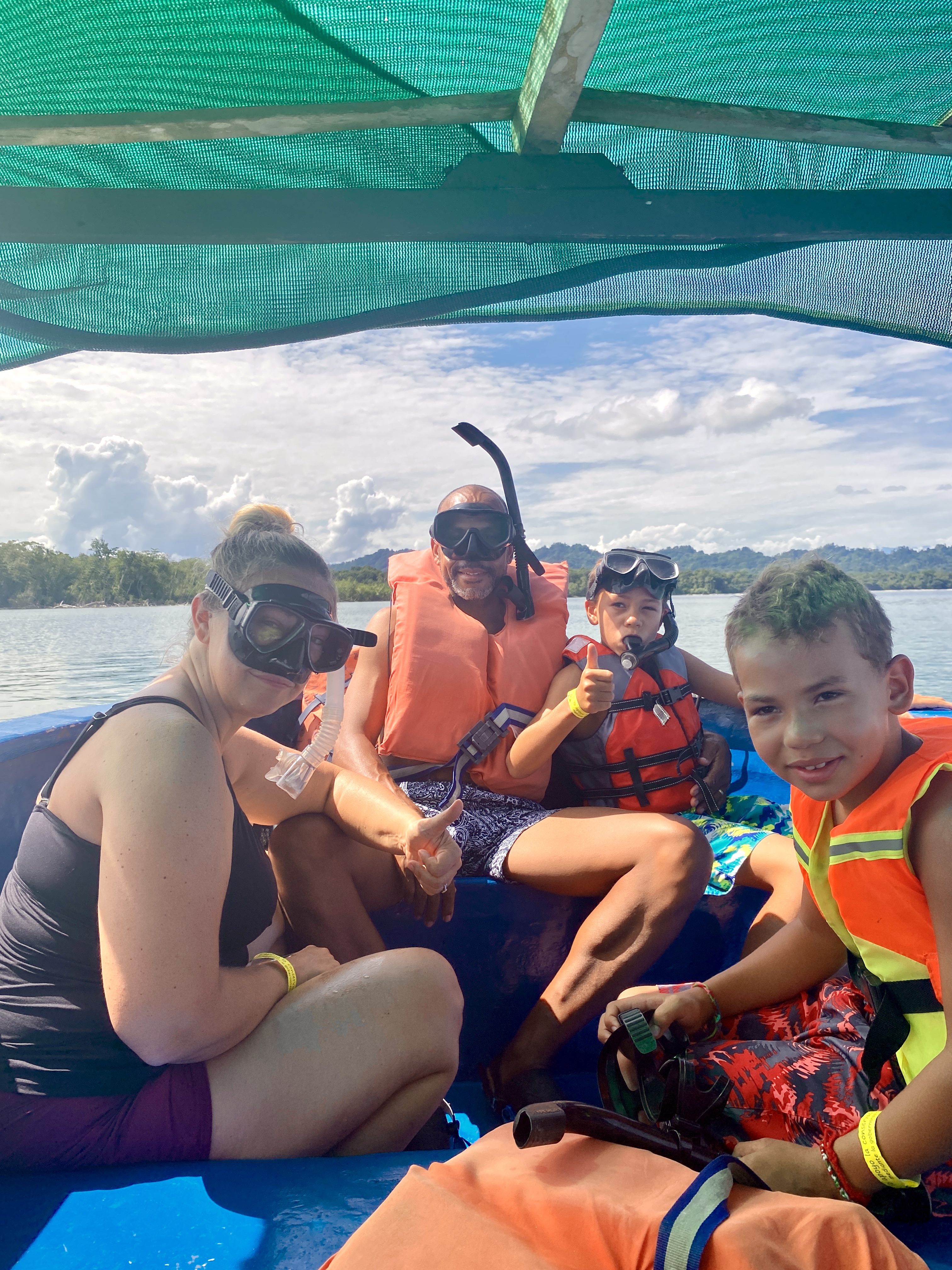
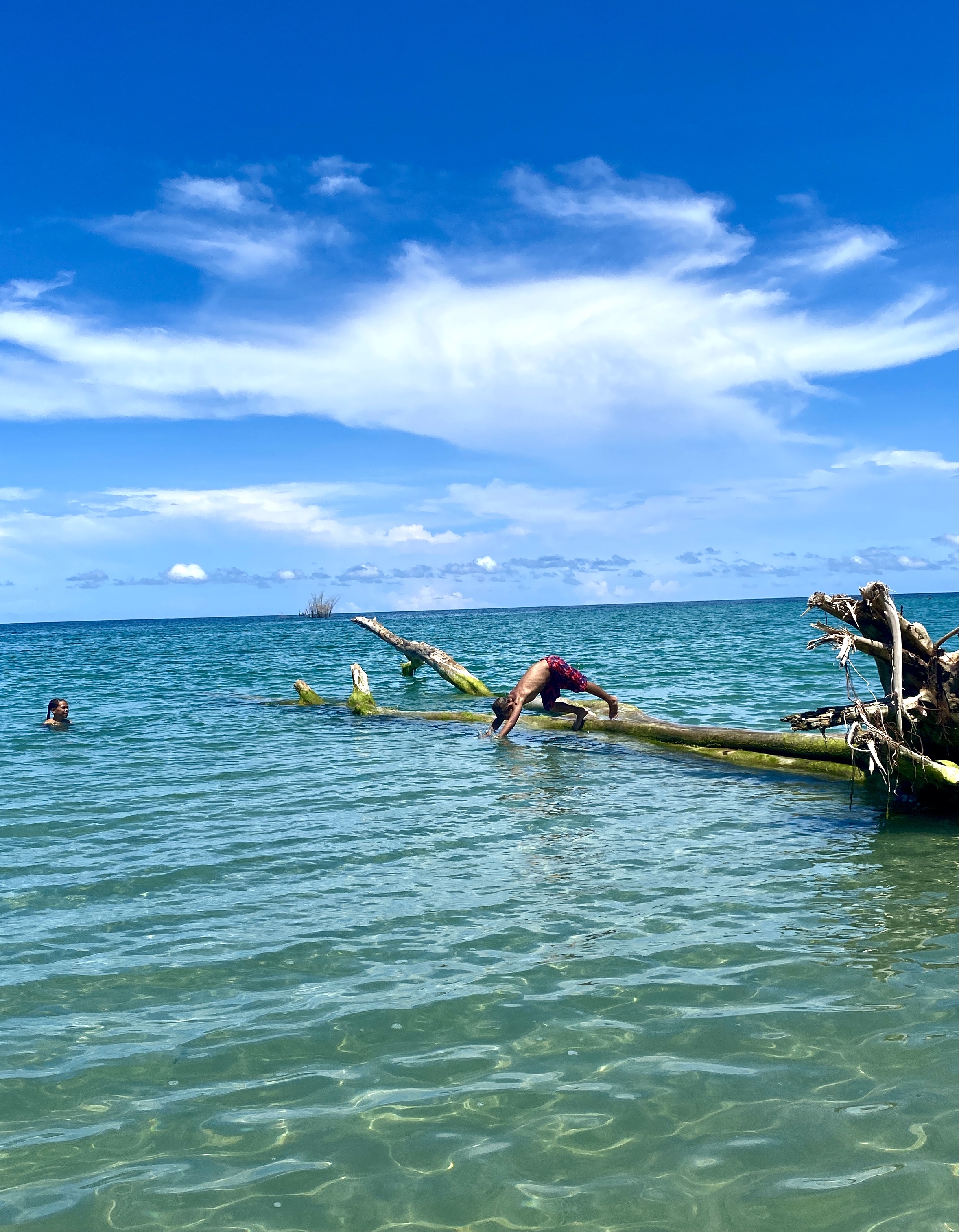
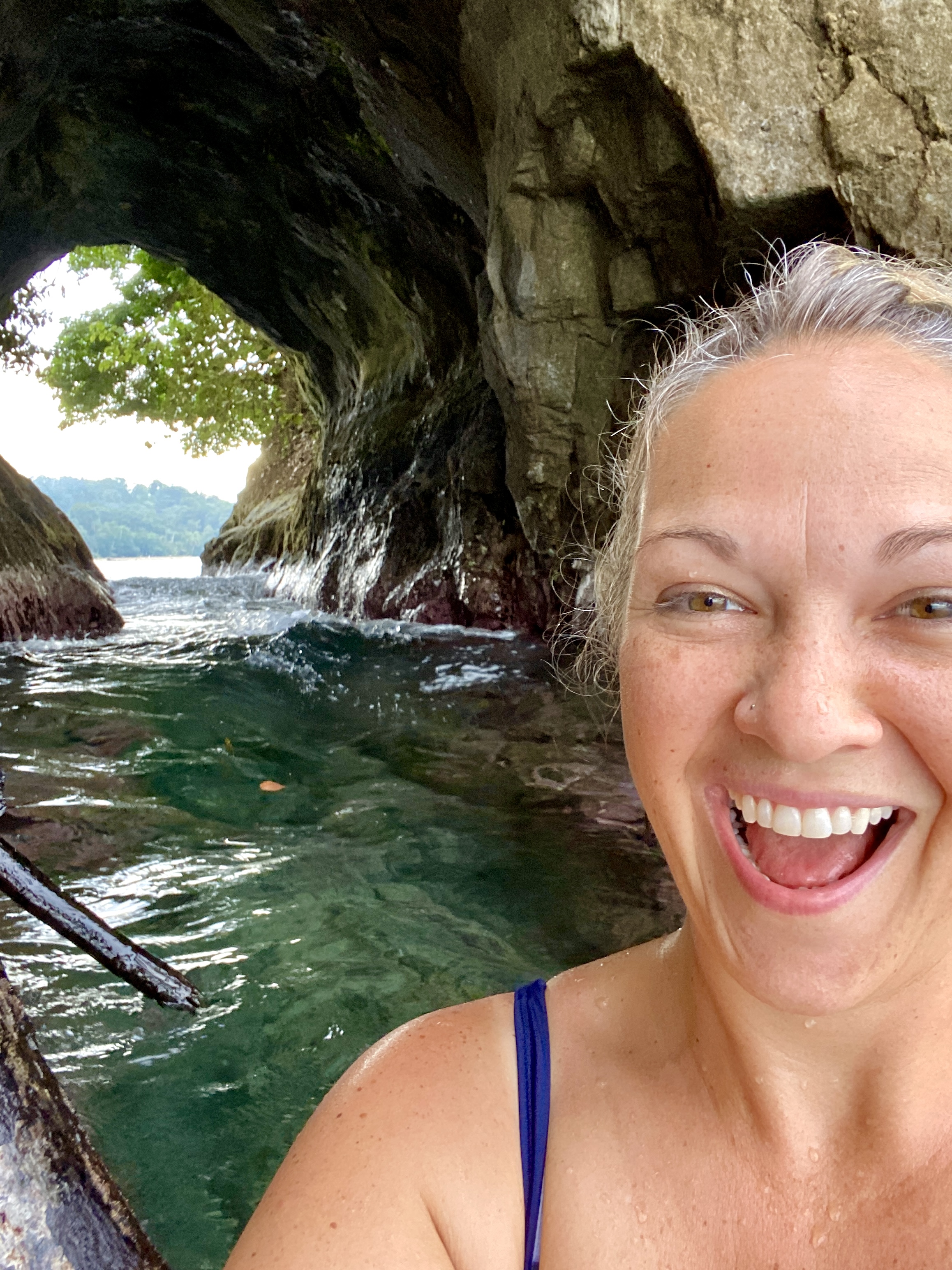
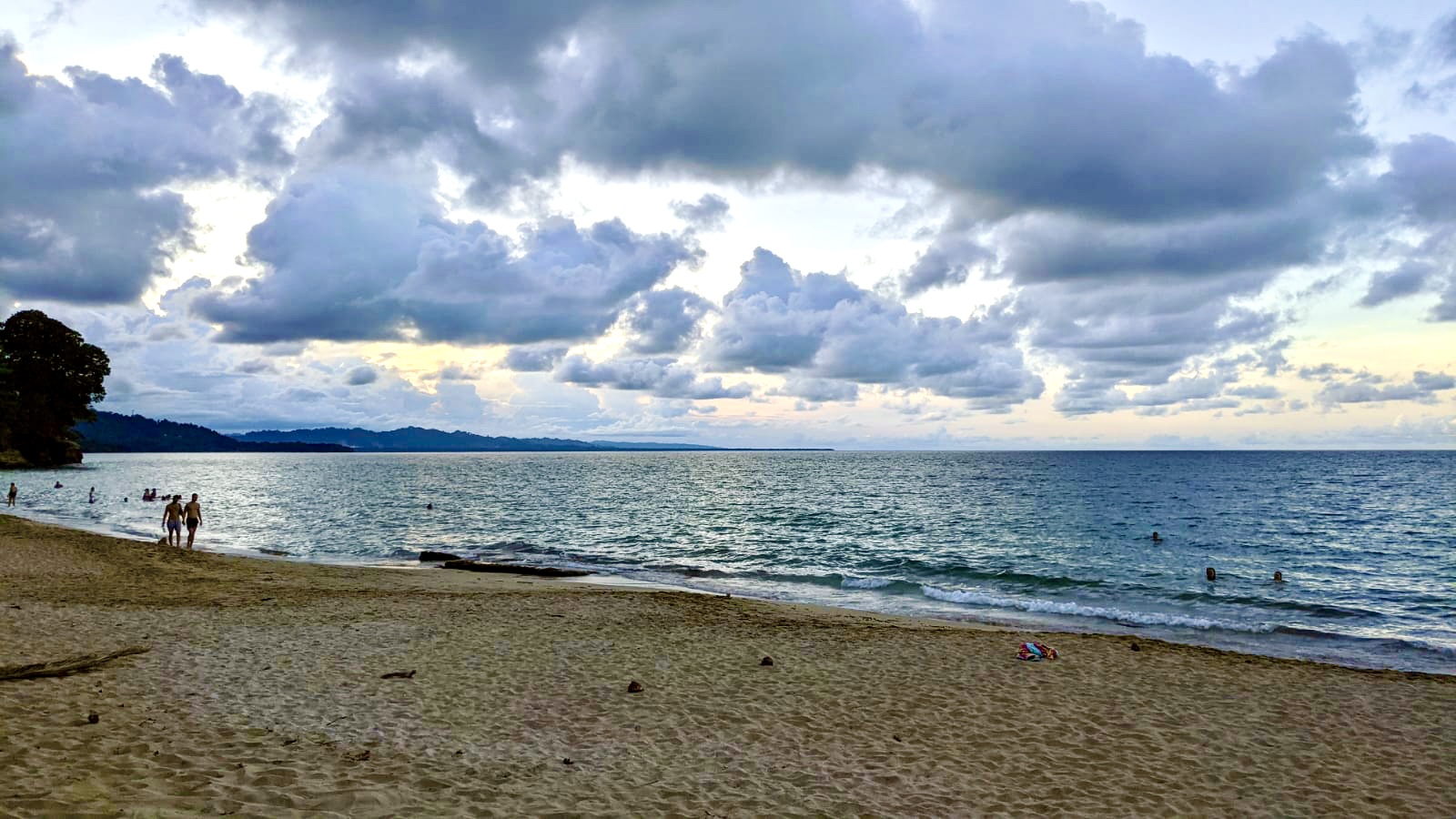
In October we had a whole week off and visited the Atlantic Ocean/Caribbean side of the country, about 7 hours drive from Monteverde. On the way we stopped for a night at Turrialba to visit the Guayabo National Monument, an archeological site of pre-hispanic architectural structures developed in between 1000 BC and 1400 AD and Cataratas Las Trillizas, a set of three waterfalls deep in the forest. It was breathtakingly beautiful. We arrived to the Caribbean beaches with calm, clear and super chill vibes. We visited Manzanillo, Cahuita, Puerto Viejo, Punto Uva, and Cocles. We rode bikes, snorkeled and hiked in the forests that go right up to water. Desmond fell asleep while pedaling behind me on the tandem bike, the car door slammed shut on Samson’s hand and Desmond jumped on a rusty nail, but we made it through the trip without an ER visit.

We learned that Limón Province is where Columbus and the Spanish explorers first encountered the indigenous Costa Ricans, the BriBri. It is also where enslaved West Africans were brought after the genocide of the indigenous people and labor was needed. Jamaicans were brought in the late 1800s to build the railroad from the coast to the center of the country and later worked the banana plantations. Today over 90% of Limón is Black and the Afro-Costa Ricans make up 8% of the population in the country. They lived segregated on the Caribbean side for two generations because of laws that prohibited them from migrating past the city of Turrialba. They were were considered stateless and only granted Costa Rican citizenship after 1949. Recently their alphabet has been republished and children’s books have been created in Limonese Creole, a dialect of Jamaican Creole which is an English/African Creole language. Read more about Afro-Costa Ricans HERE

Visiting all these cool places in Costa Rica reminds me of all the great travel experiences I had growing up- camping trips, visiting cousins in different states, and many visits to museums and national parks. Every time I pack up the car I feel like my mom. It all seems so stressful making sure there is enough snacks, appropriate clothes for any incident, and activities for the inevitable moments of “I’m bored” in the car or while waiting for food. My mom was so good at packing us up for adventure. My kids still whine and I still yell just like her, but in between we have an amazing time seeing cool sites, learning new things, and making friends.

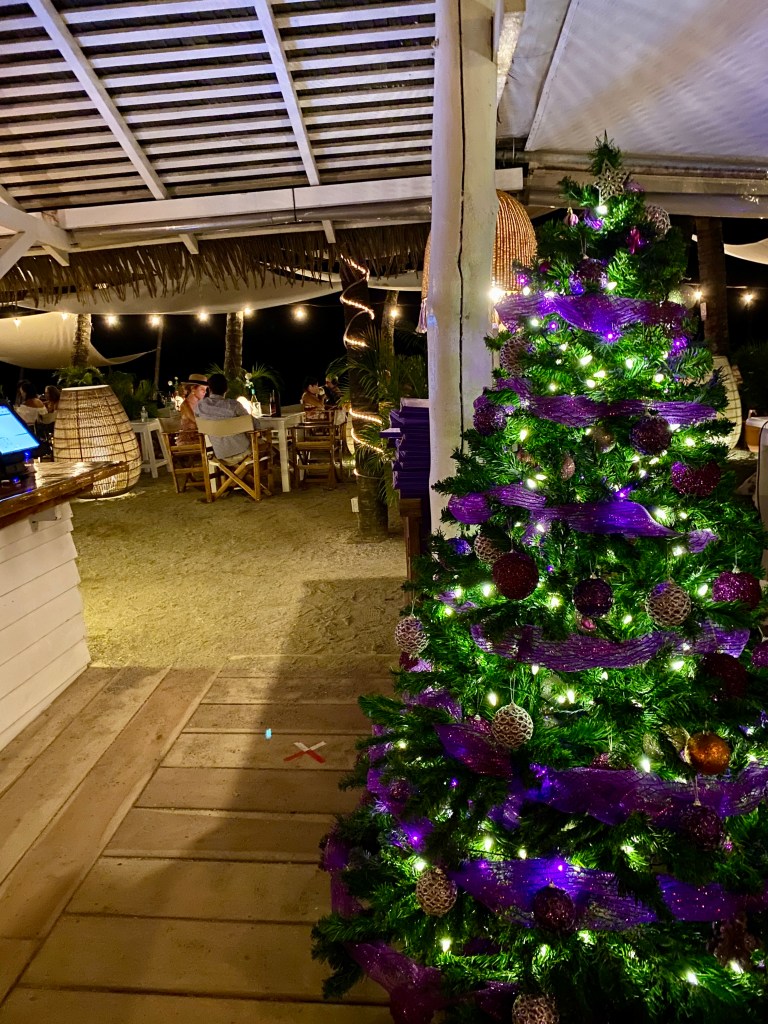
This next month we usher in the Christmas season and despite the lack of winter weather it does feel festive. I ordered some poinsettias from the school’s plant fundraiser, we joined a community, hand-made gift exchange, and we are prepping to receive our family from the states for the holiday break.

We wish you healthy and happy holidays. We send our pura vida love!

.

Dia de las Culturas

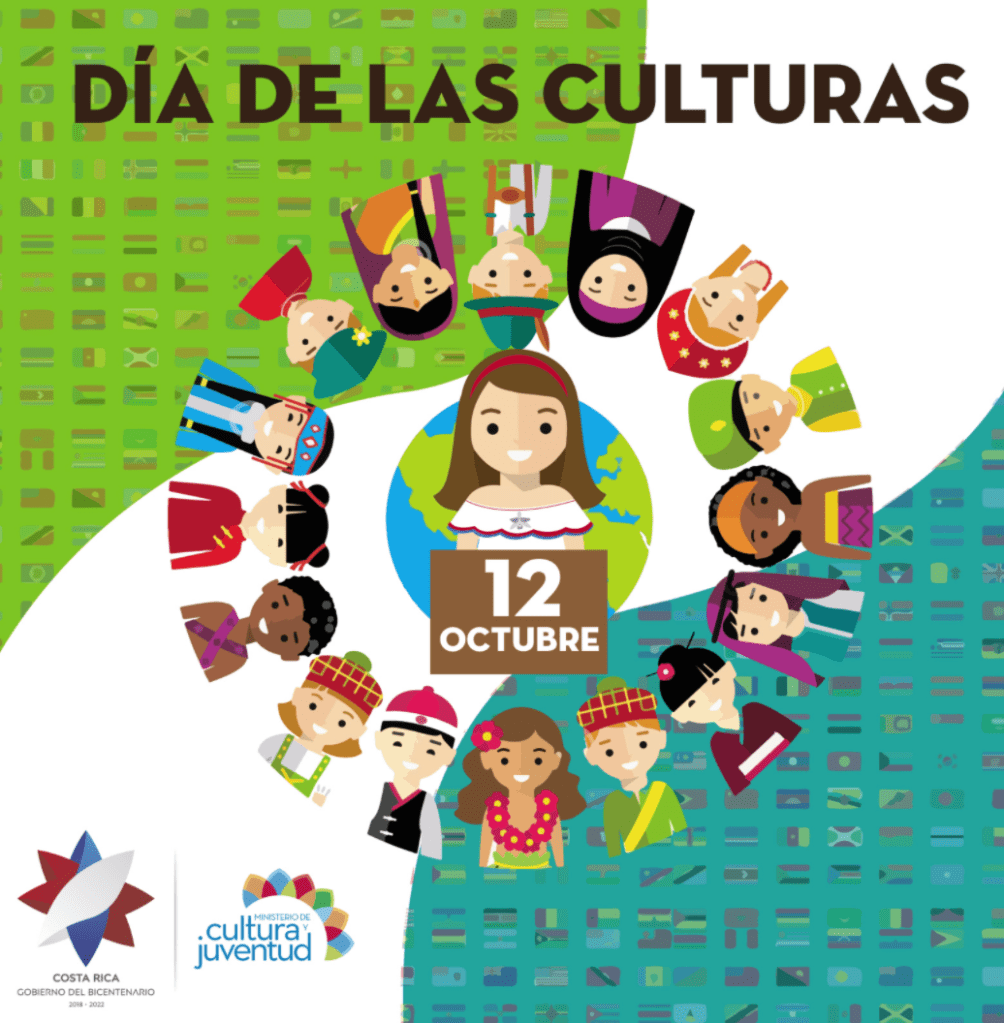
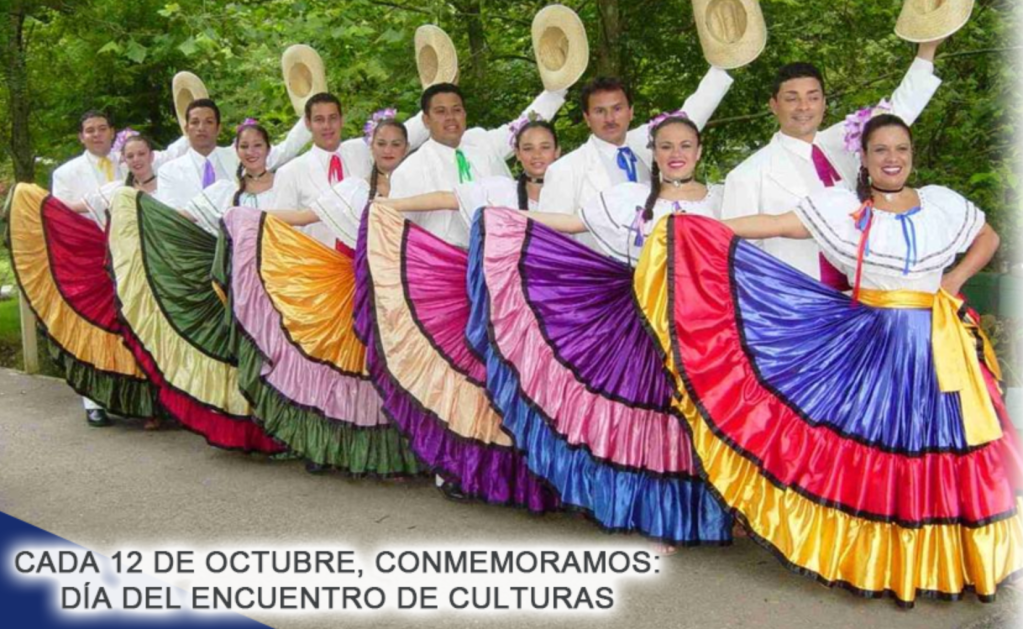
Since 1994 Costa Rica has commemorated Día de las Culturas (Cultures Day) on October 12th. Día de las Culturas is a celebration of cultural diversity throughout Costa Rica and the world. At my school we celebrate this day so our students can learn about diverse people, heritages and cultures. This is also a day for our students to learn more about the history of Costa Rica and the impact of colonization then and globalization today. We encourage our students through lessons and educational activities to think deeply about the past, present and future. 

The day was formerly called Día del Descubrimiento y de la Raza (Day of Discovery [of the Americas] and Race) since 1968. The legislature at the time said the holiday should commemorate the communities of Latin America that are tied together through Catholicism, history and tradition. It is still called this day in many Spanish speaking countries. 

Christopher Colombus came to Costa Rica on his fourth trip to the Americas from Europe in 1502. It was an unexpected arrival in Limon after a storm. Here he met the BriBri people who were wearing shiny jewelry. Word was sent back to Spain that there must be plenty of gold here, hence the name “Rich Coast.” In the subsequent years more and more European settlers came and the process of colonization took place. The Indigenous people contracted diseases such as smallpox from the Europeans who came. Many died from these diseases. As more Europeans came and moved throughout Central America, more Indigenous people were killed by their brutality, in slavery, and during violent conflicts. 

Today, Costa Rica is a blend of ethnicities: Spanish and European heritage with Indigenous, Jamaican/West African, Chinese, and other immigrant groups. 8% of Costa Ricans are Black. Less than 2% of Costa Ricans are Indigenous. The official language is Spanish, but large portions of the populations speak English, Bribri, creole Mekatelyu, and Mandarin Chinese as their first language. Costa Rican culture is also heavily influenced by religion, the natural environment, food, and much more.

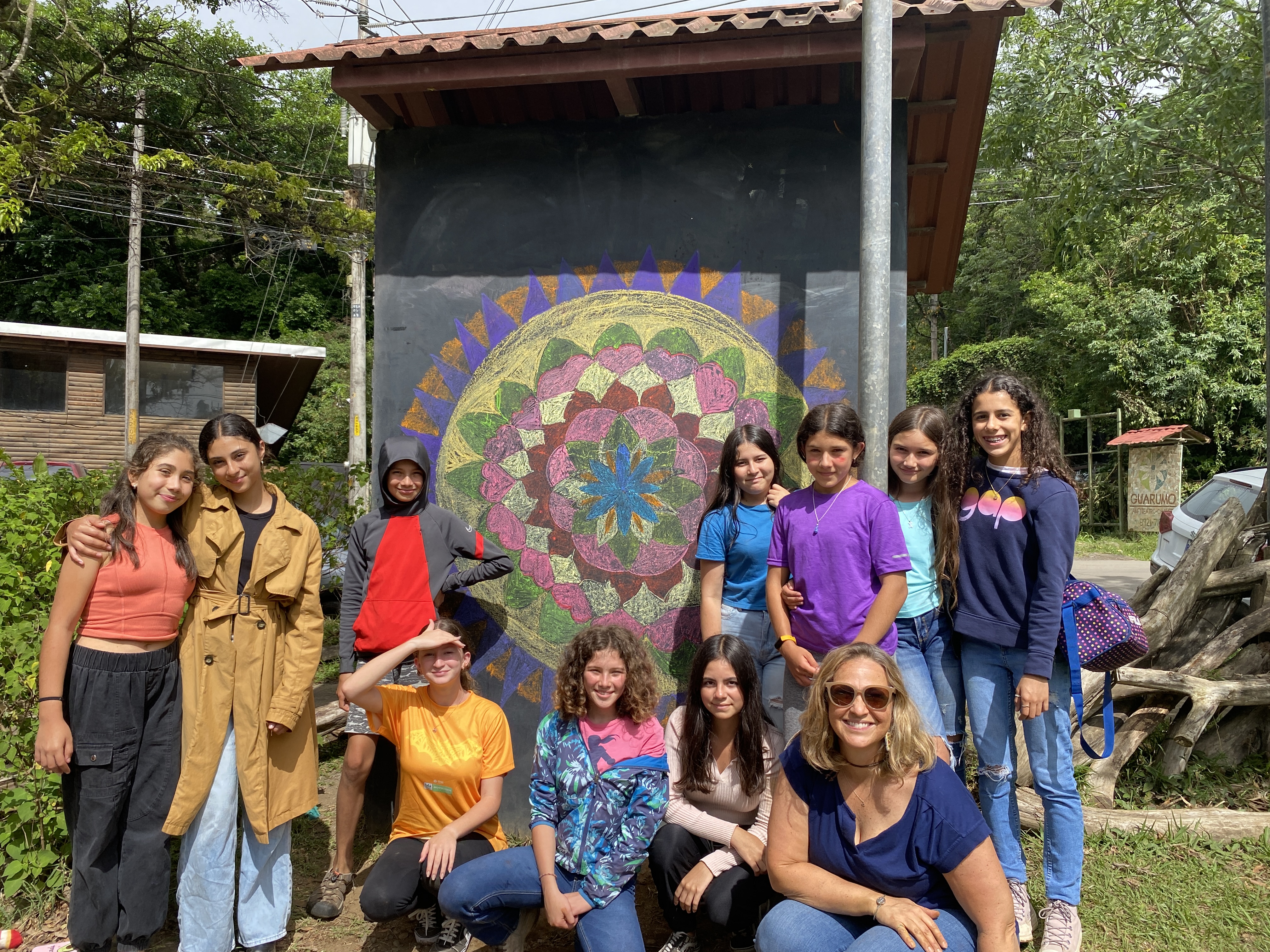
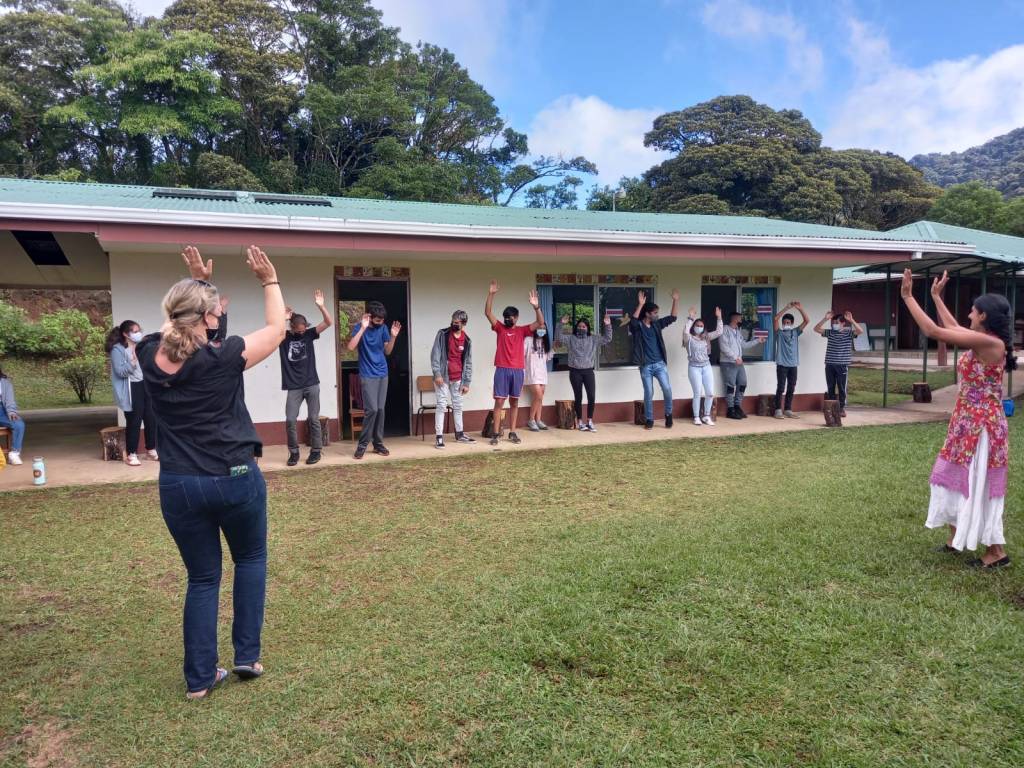
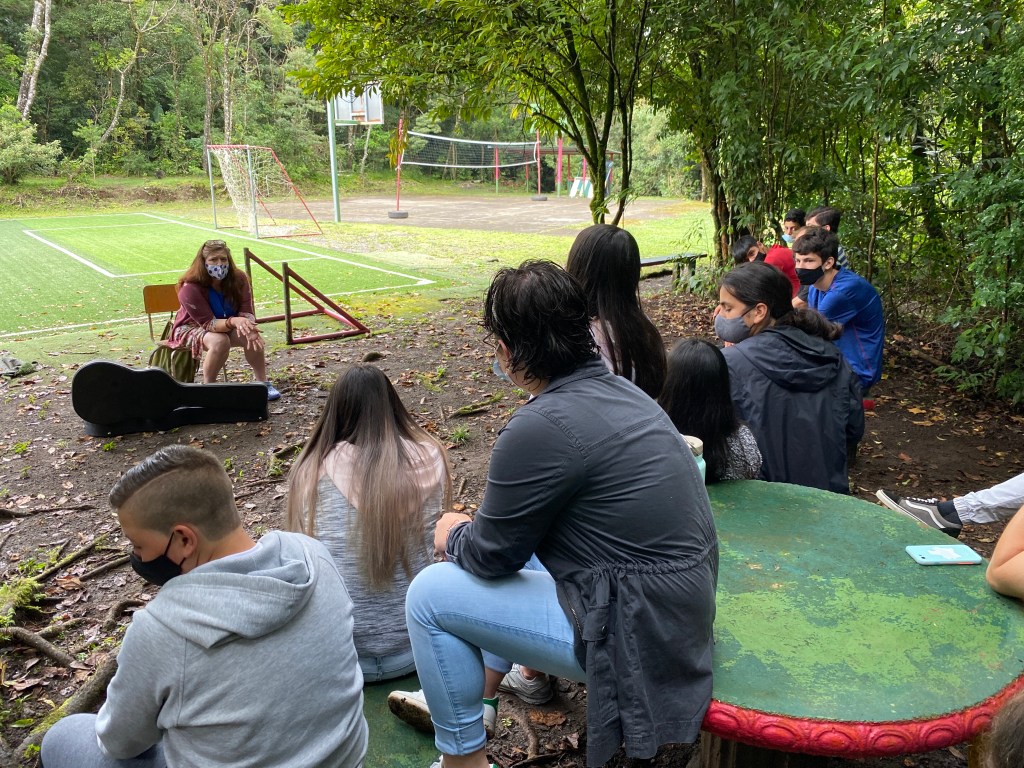
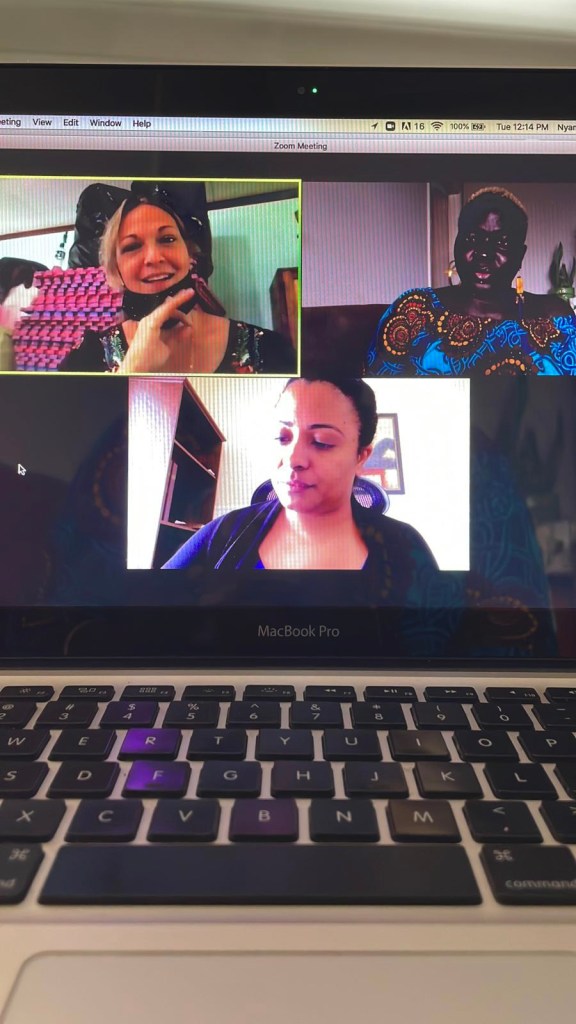
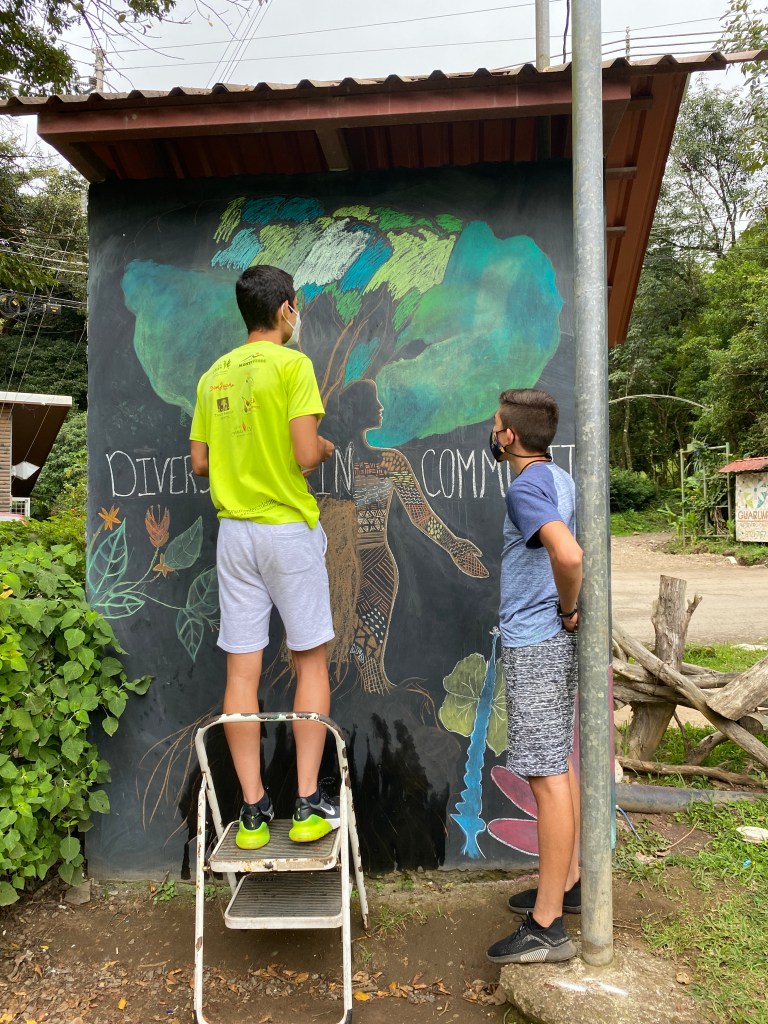
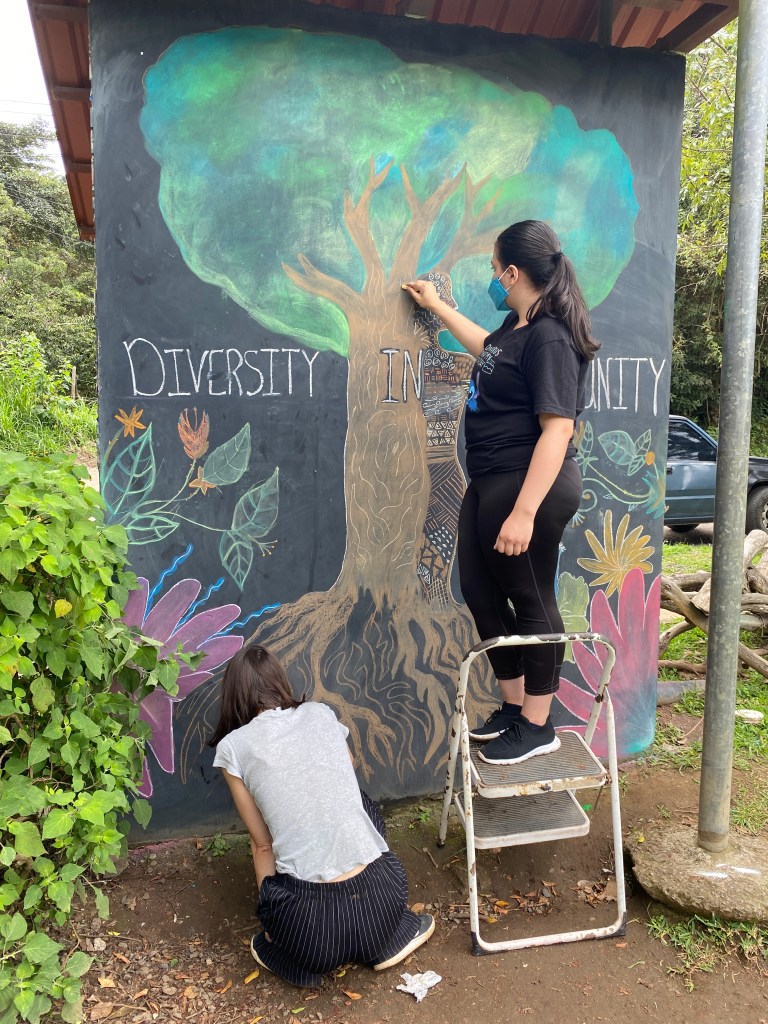
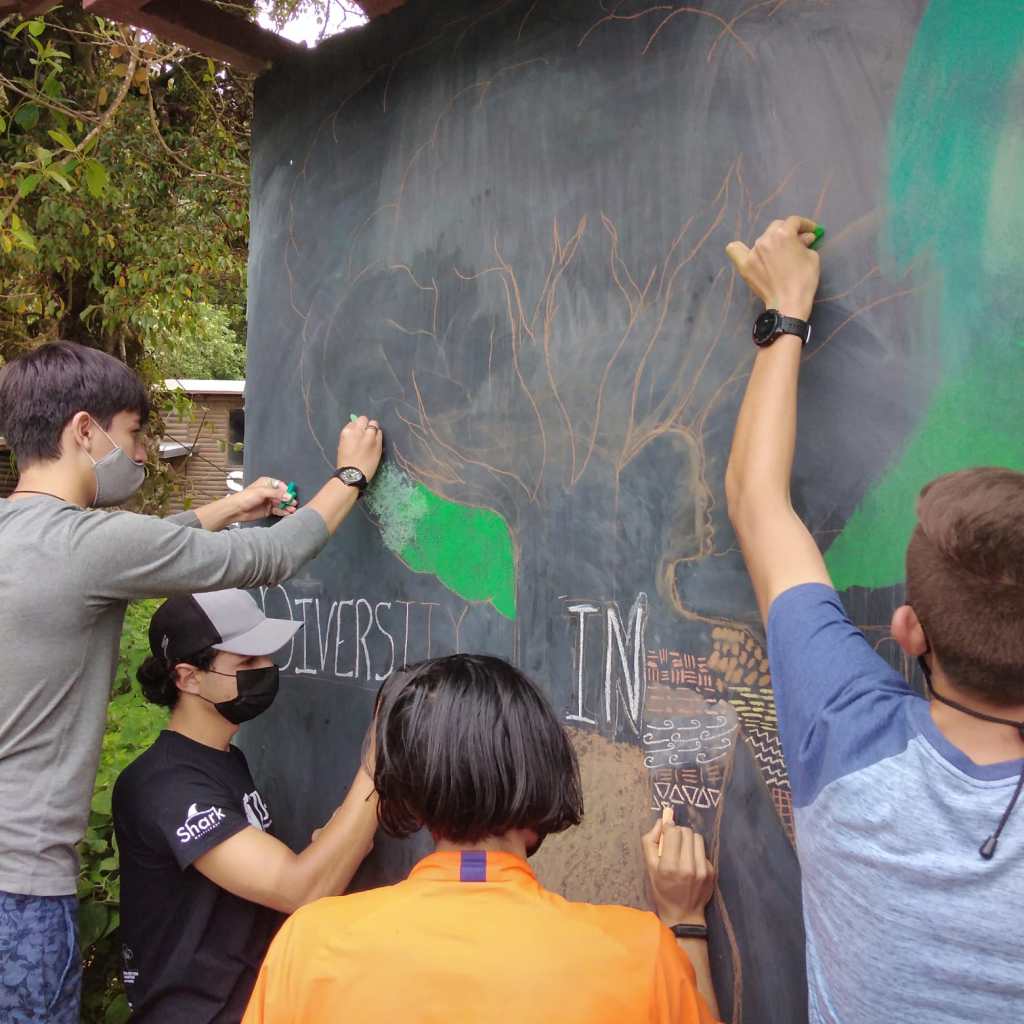
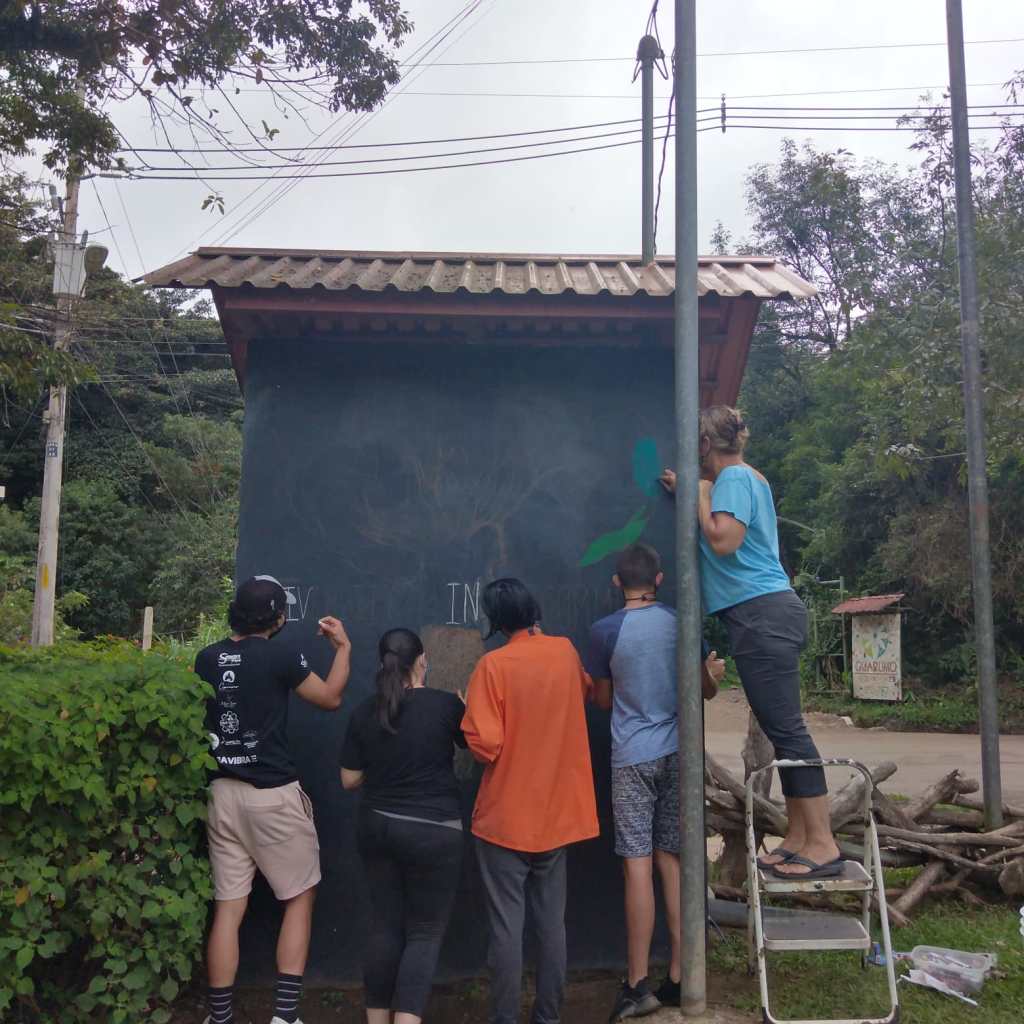
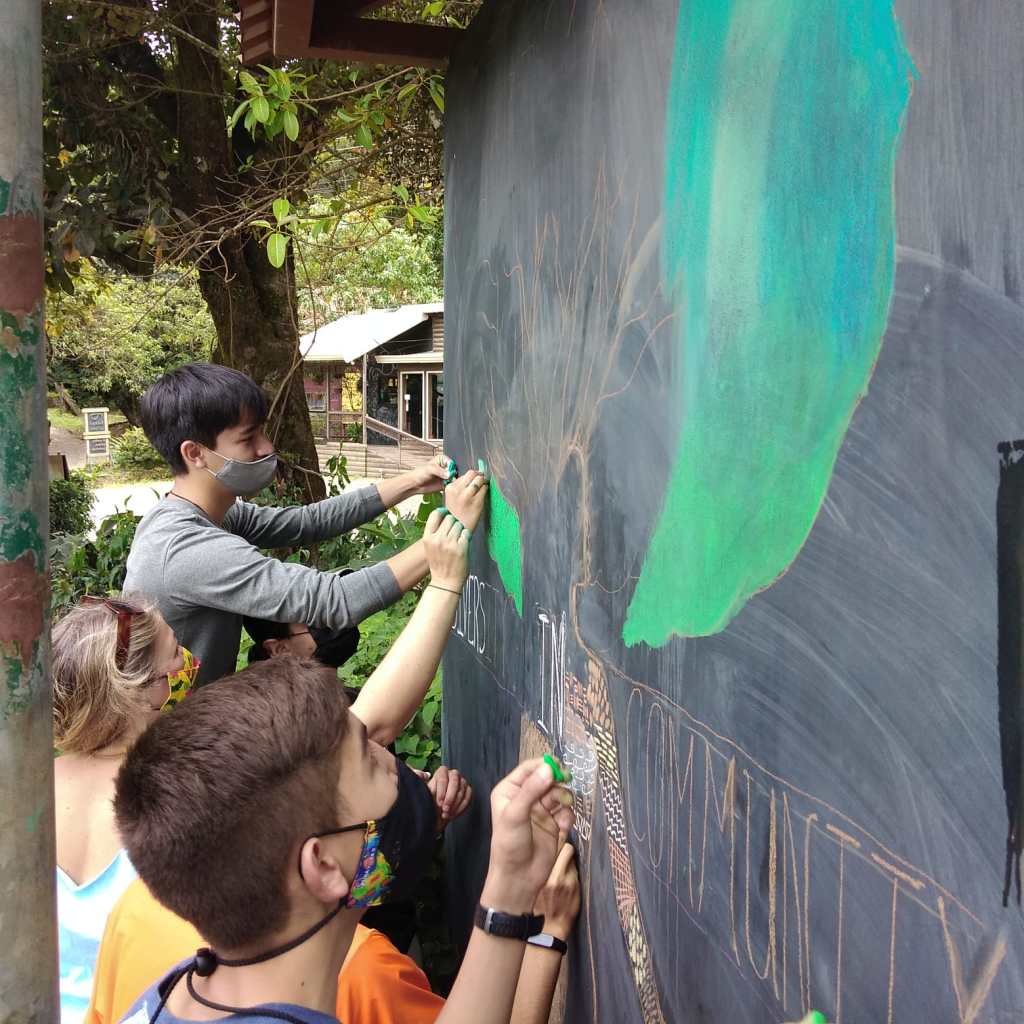
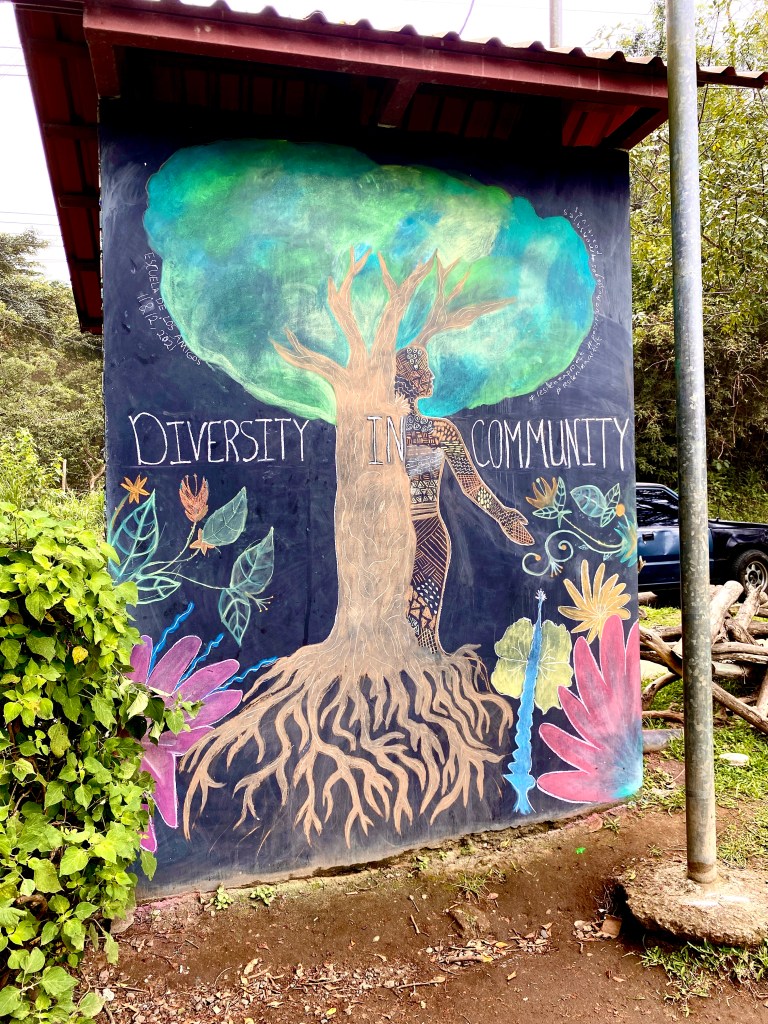
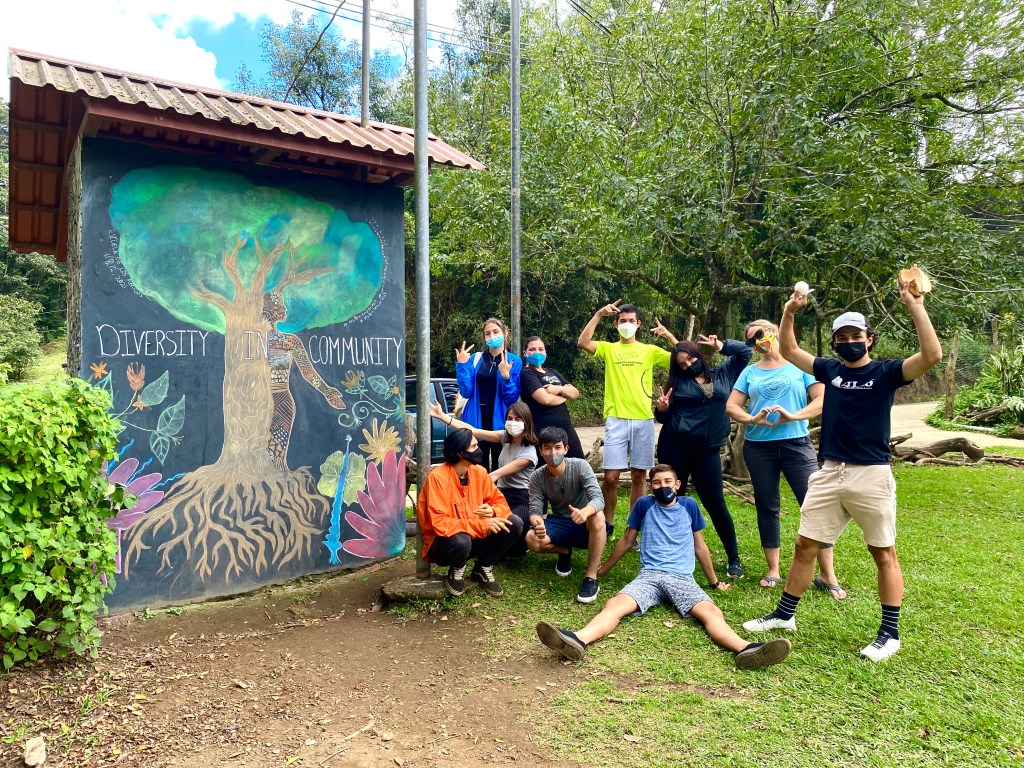
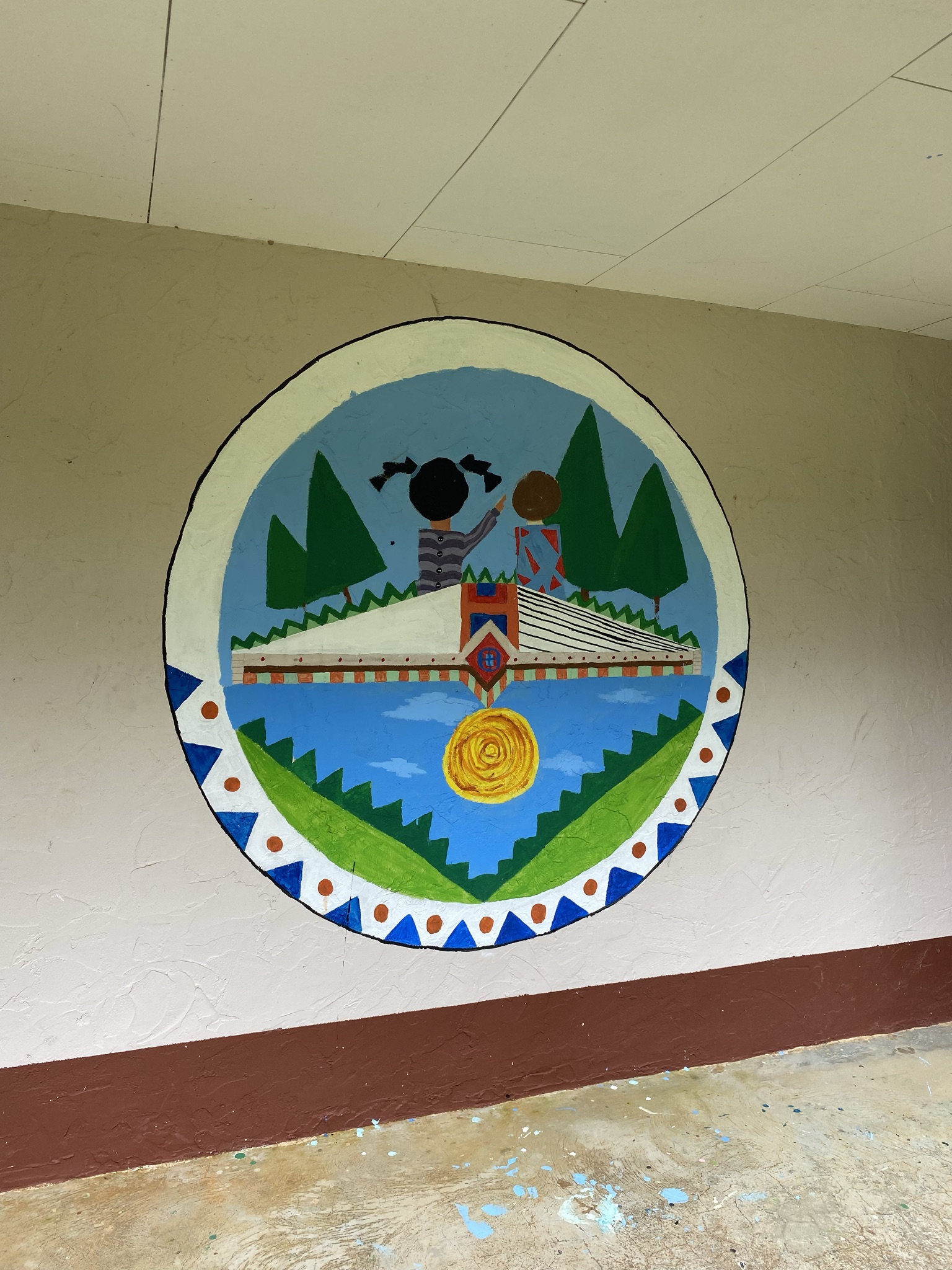
At school today we spent time listening to guest speakers, playing games, learning new dances and watching films. I asked some friends to lend their time and expertise and they showed up with such grace and wisdom! Through them we went to India, Scotland, Jamaica, Italy, Sudan, Ethiopia, Liberia, South Dakota, Philadelphia, and back. We thought about cultural clashes, colorism, the role of culture in science, and the danger of single stories. We also painted a lovely mural as part of a weekly community arts initiative. I know my mom would’ve loved it so much!

Settling In…

We have been in Costa Rica for about 2 months now. In many ways it feels longer than that as we have settled in with work and school. Yet in other ways it still feels very fresh because we have so much to learn. 

I have found that my grief was at bay for a while. The prepping to move in Philly and the resettling here in Costa Rica was a very busy time. Now that we have calmed down, I find myself getting spurts of deep sadness. I have to hold back tears because it hits in the middle of conversations, in the middle of meetings at work, or while I’m teaching a class. 

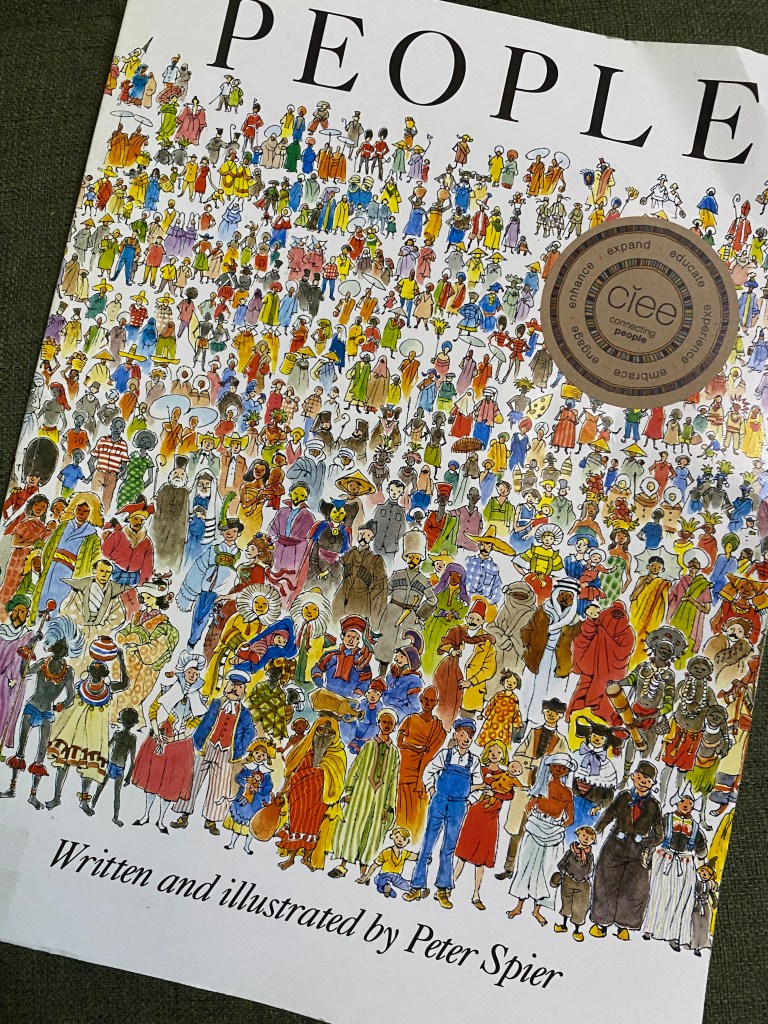
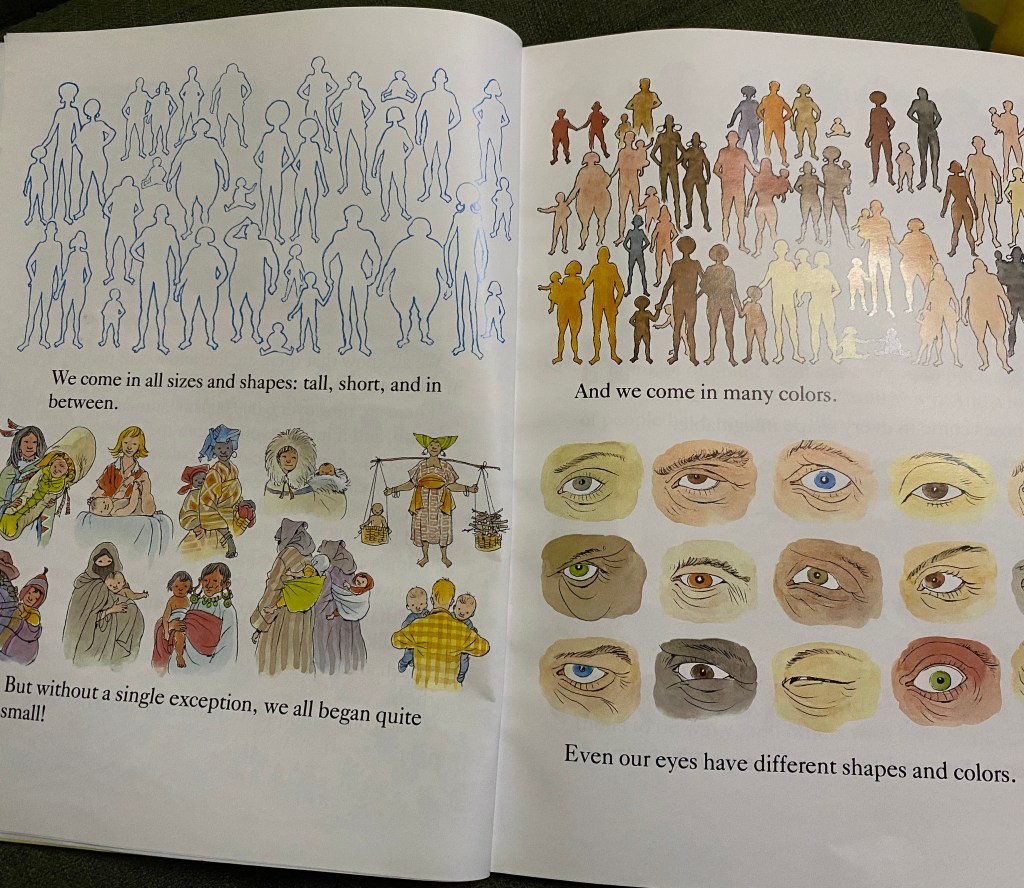
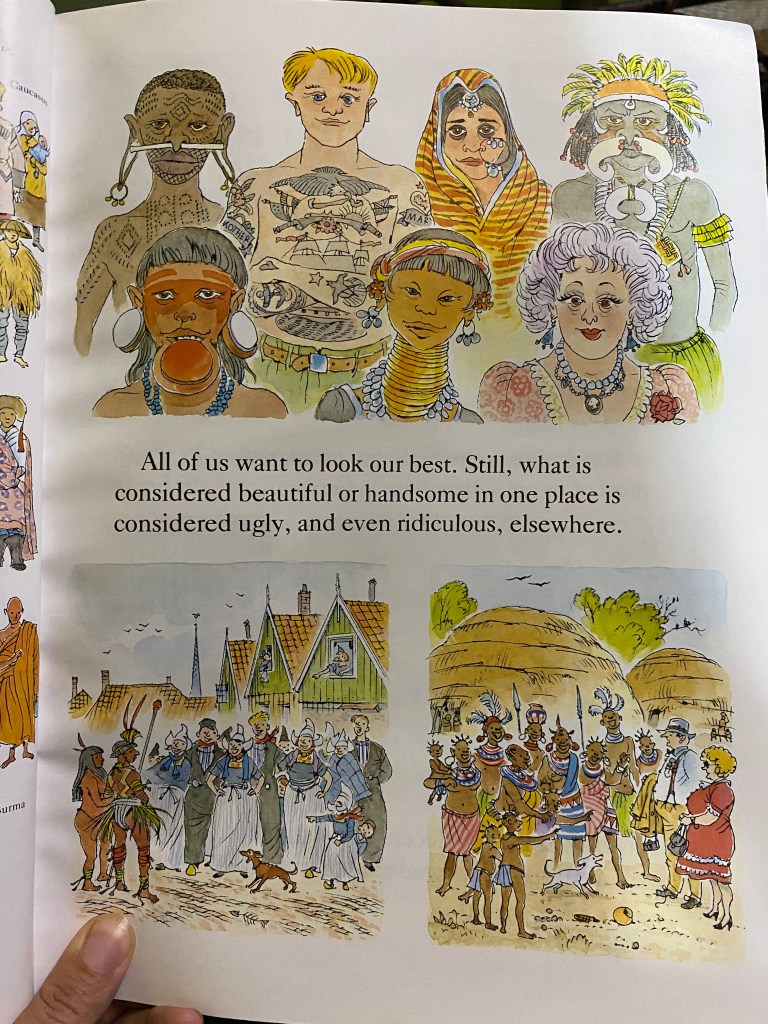
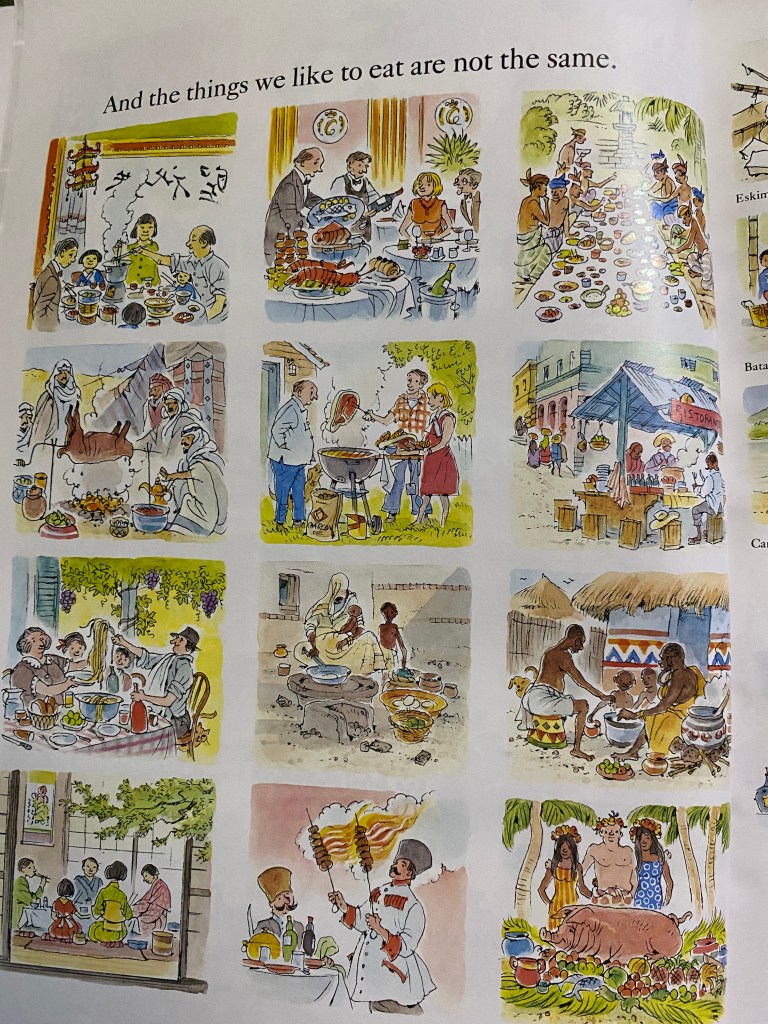
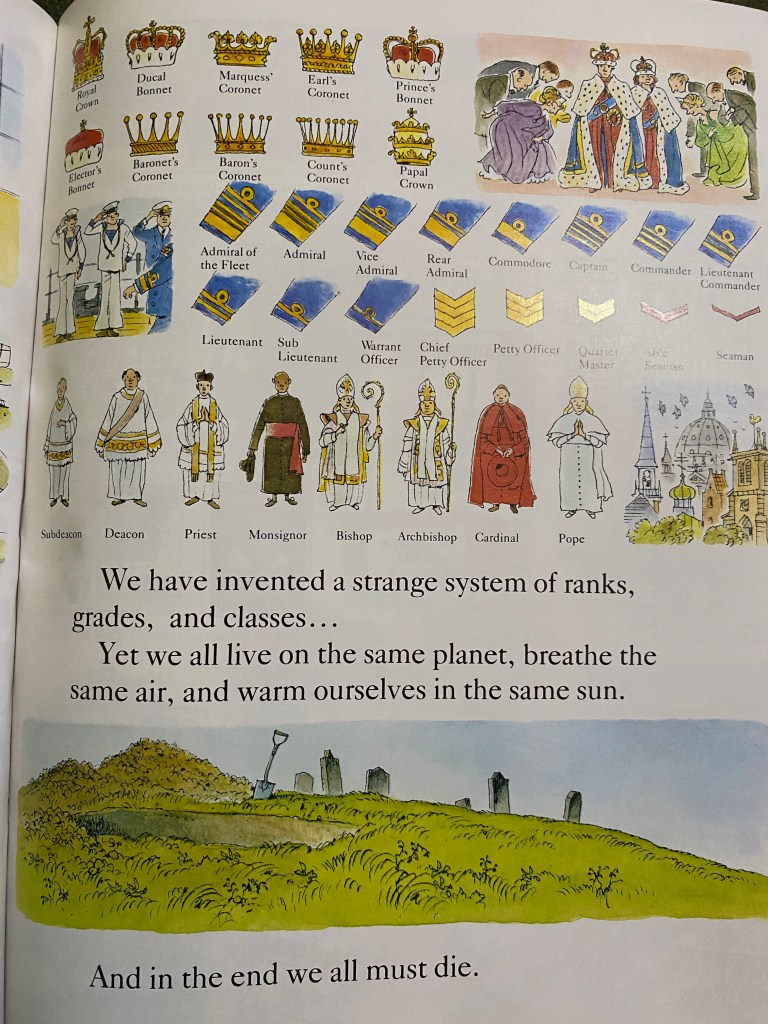
For example, last week we had to get our fingerprints taken at a police station in the administrative capital of our region (Puntarenas), a 1.5 hour drive away. The officer requested some basic information which included the question “who is your mother?” I almost lost it right there. I had a lump in my throat throughout the rest of the questioning, on the edge of full blown sobbing. Today we visited the Monteverde Friends Library, a cute little library attached to the school, made available for the public with a wide collection of musty books donated over the years by visitors from around the world. I found the book PEOPLE, a picture book we had growing up published in 1980. I remember the pictures so clearly. My mom loved this book. I can hear her voice reading it to me. I miss her voice more than I’ve ever missed anything. 

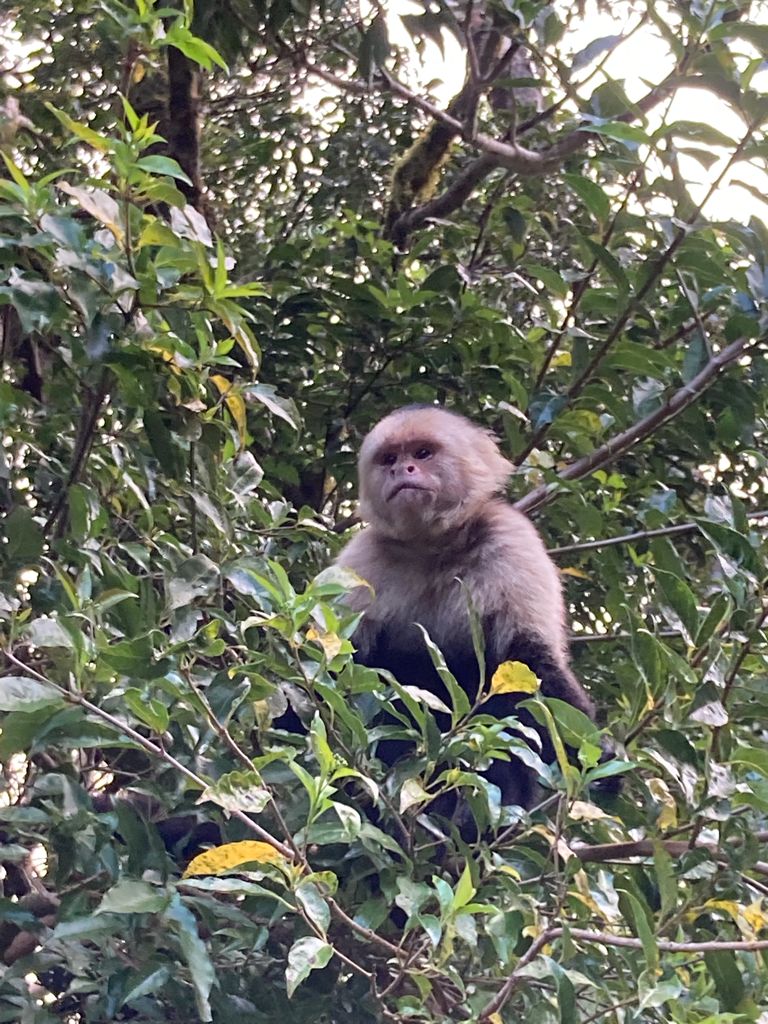
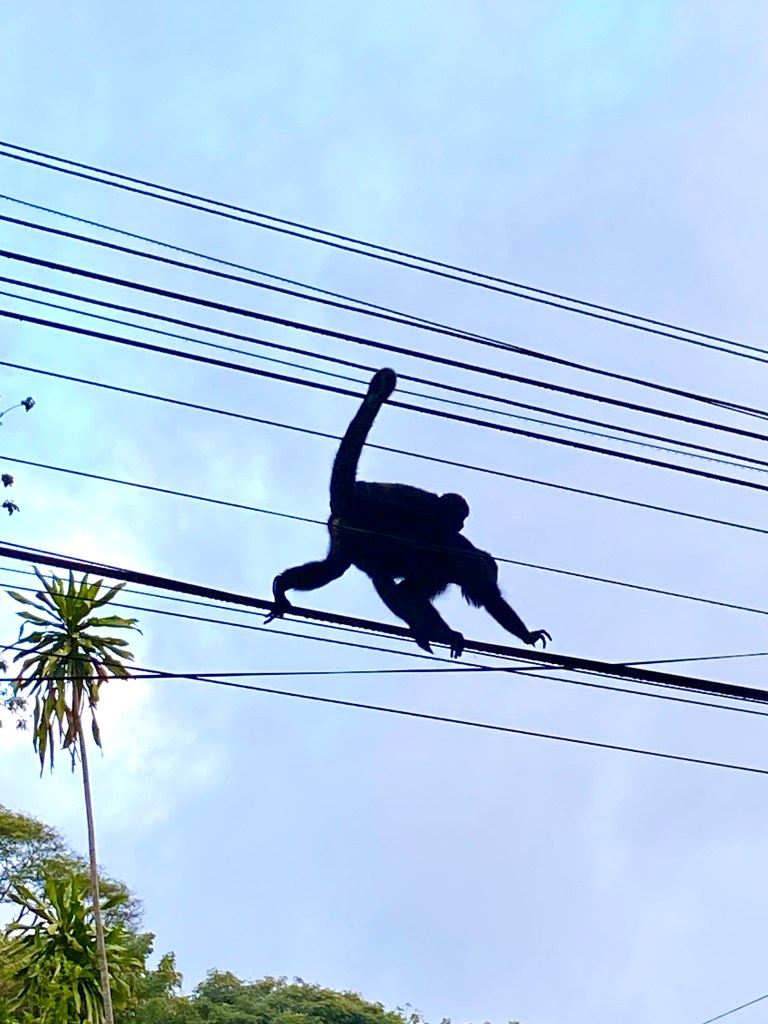
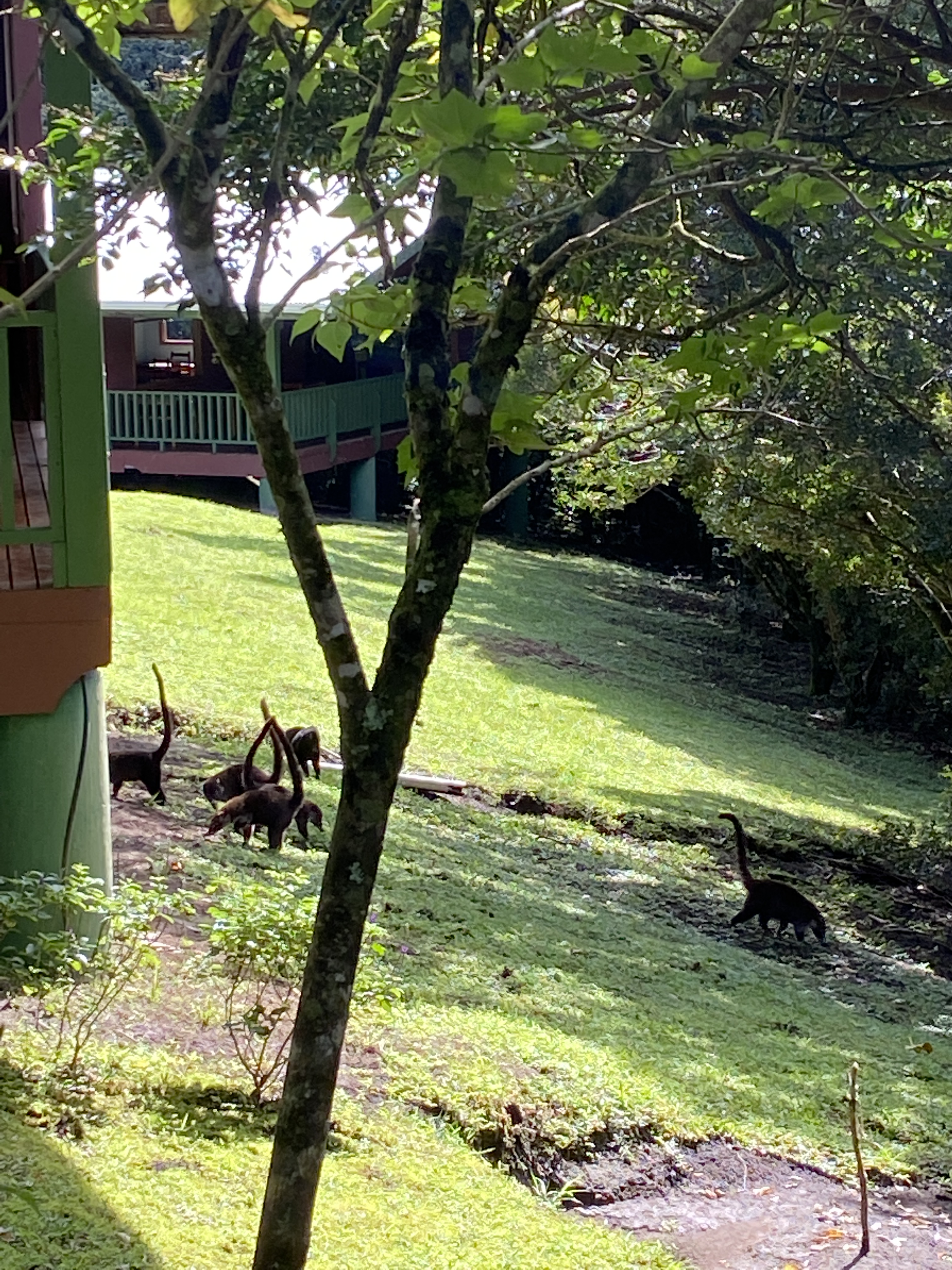
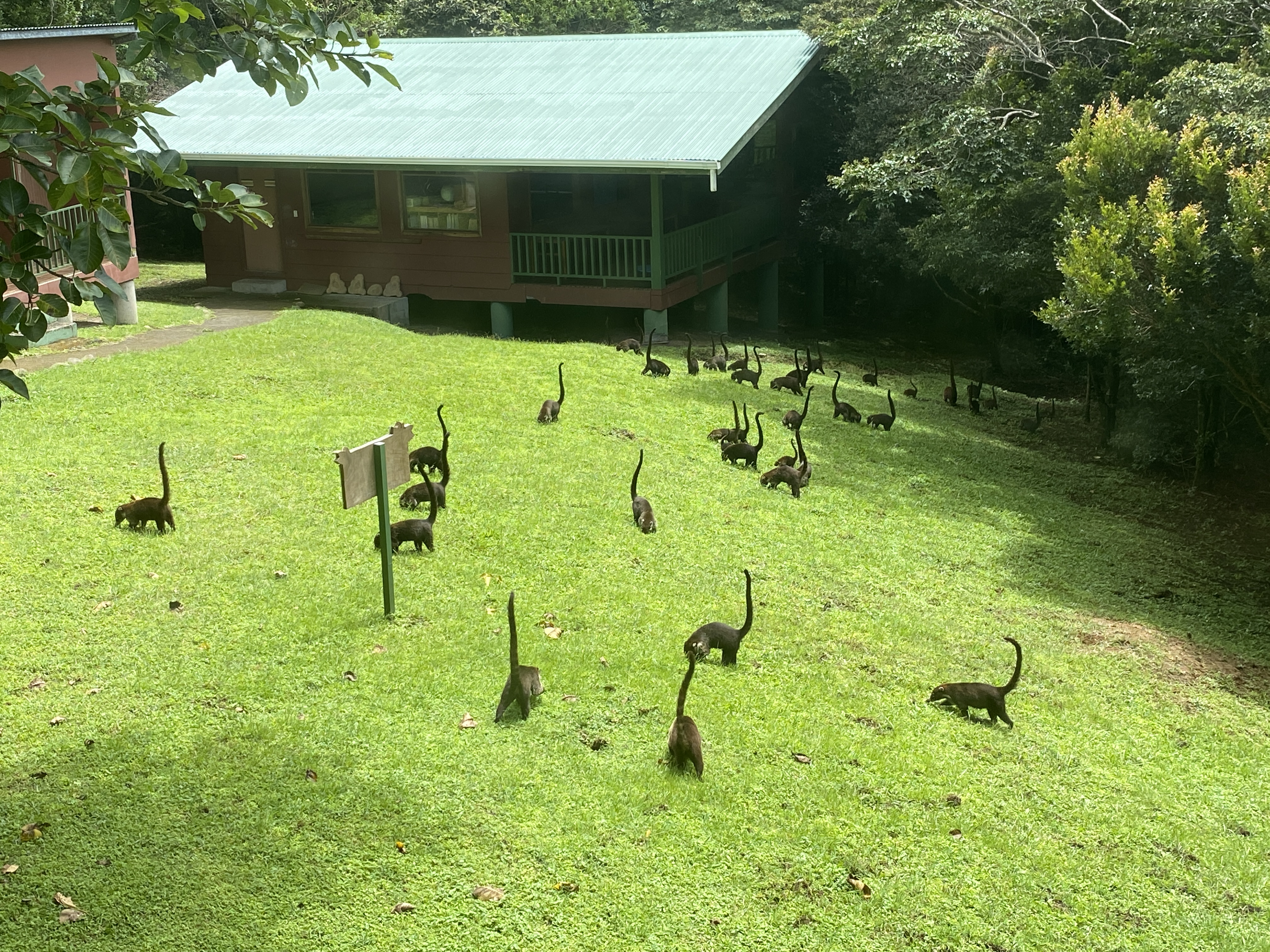
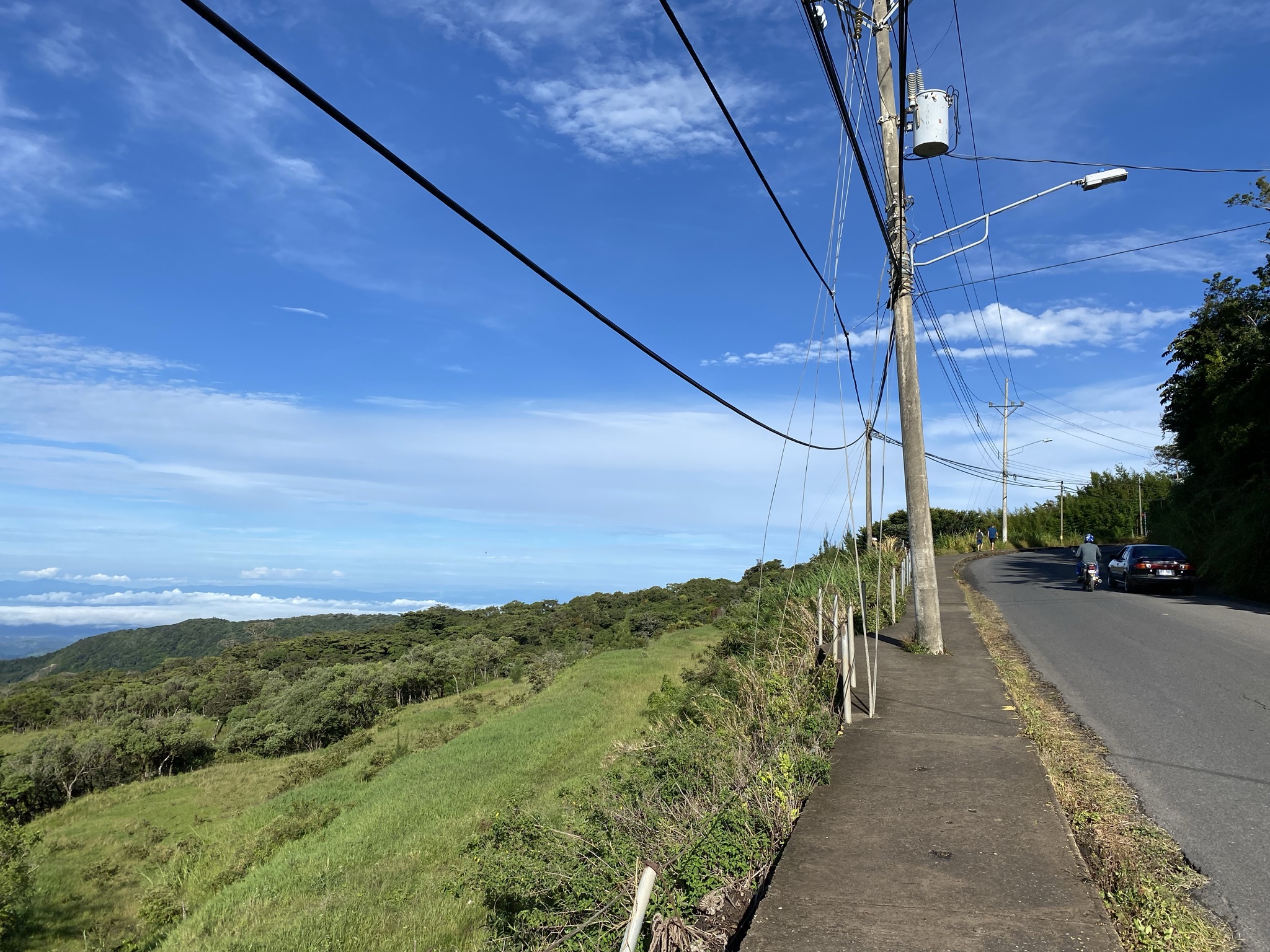
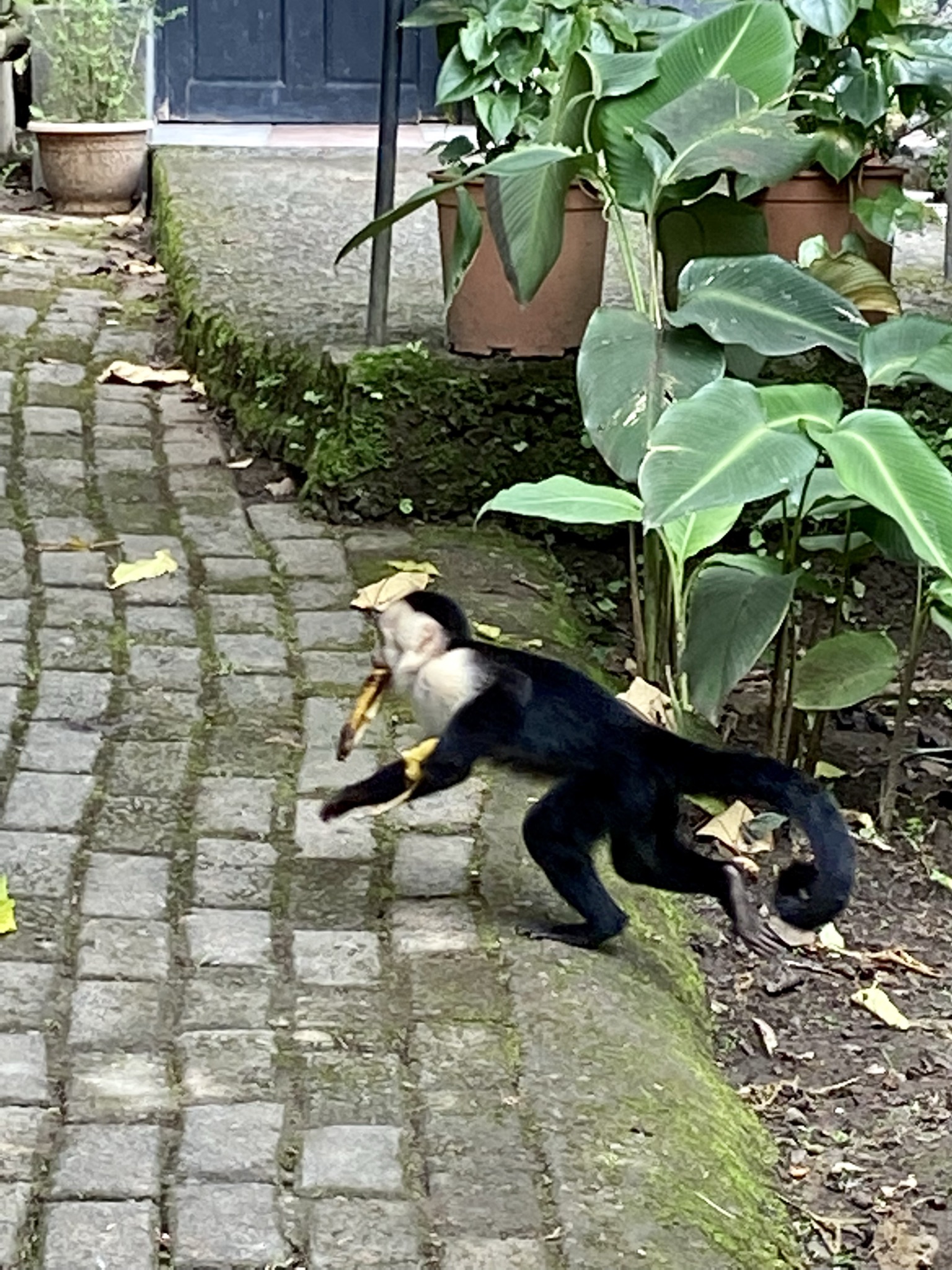
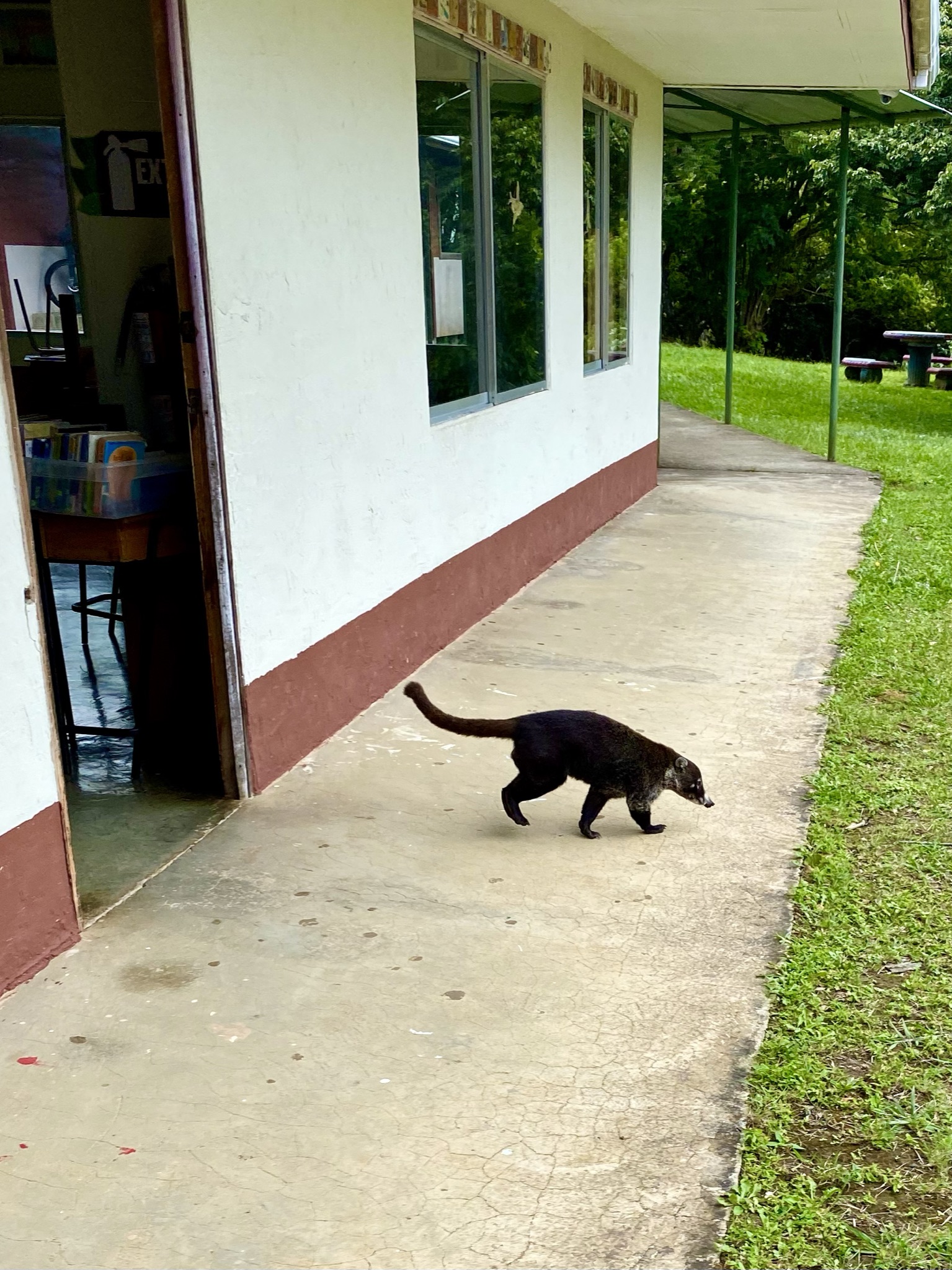
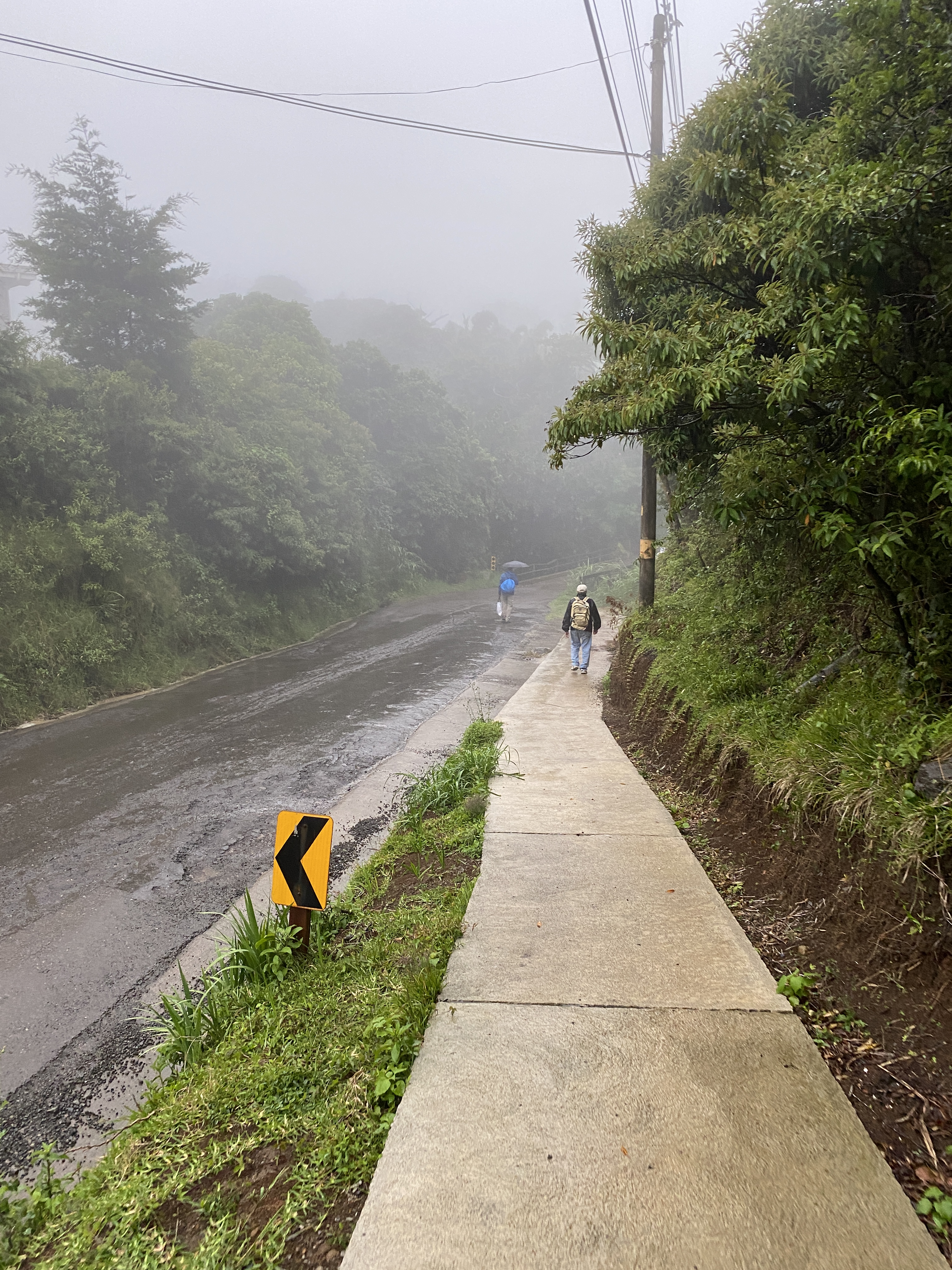
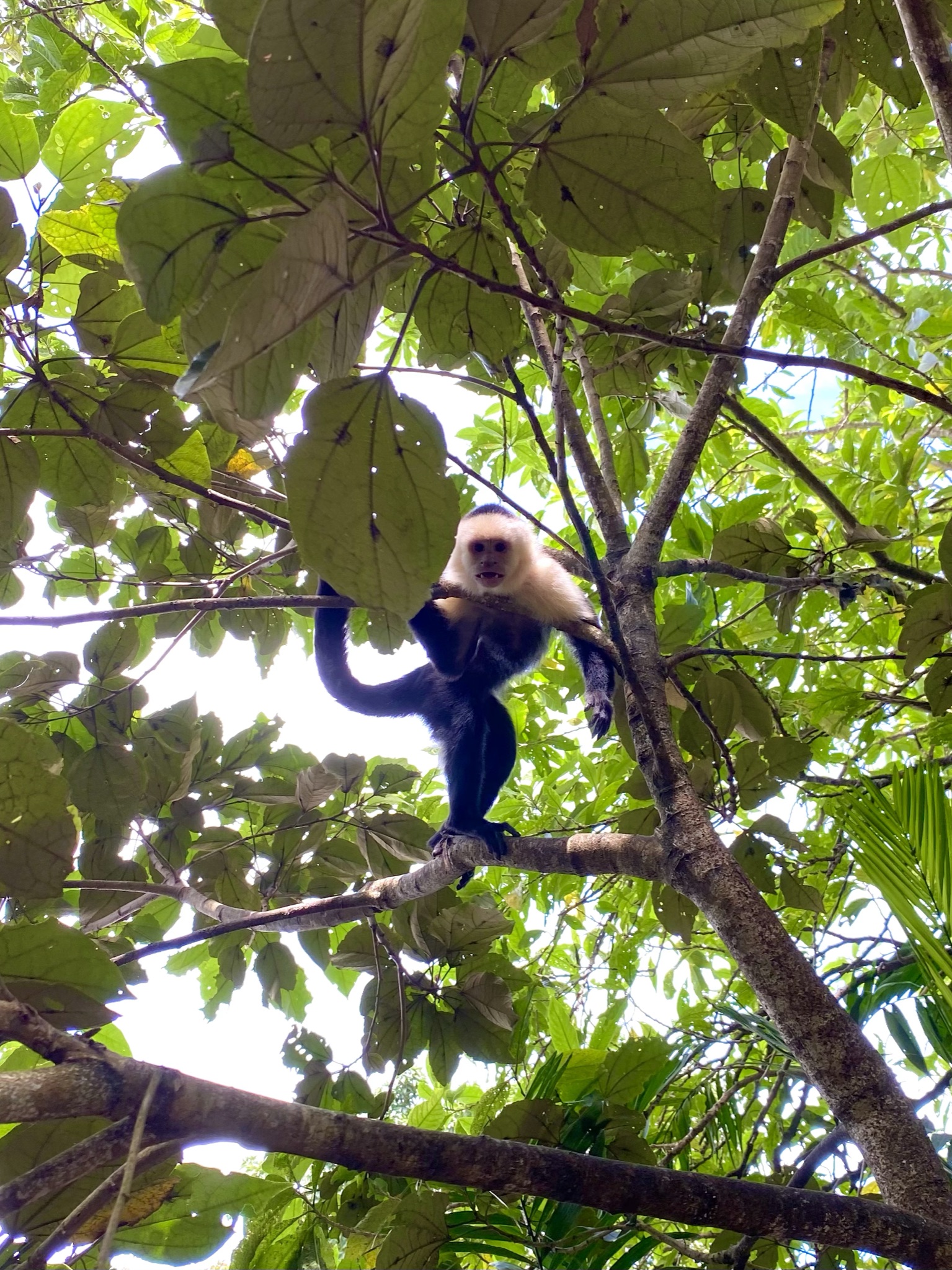
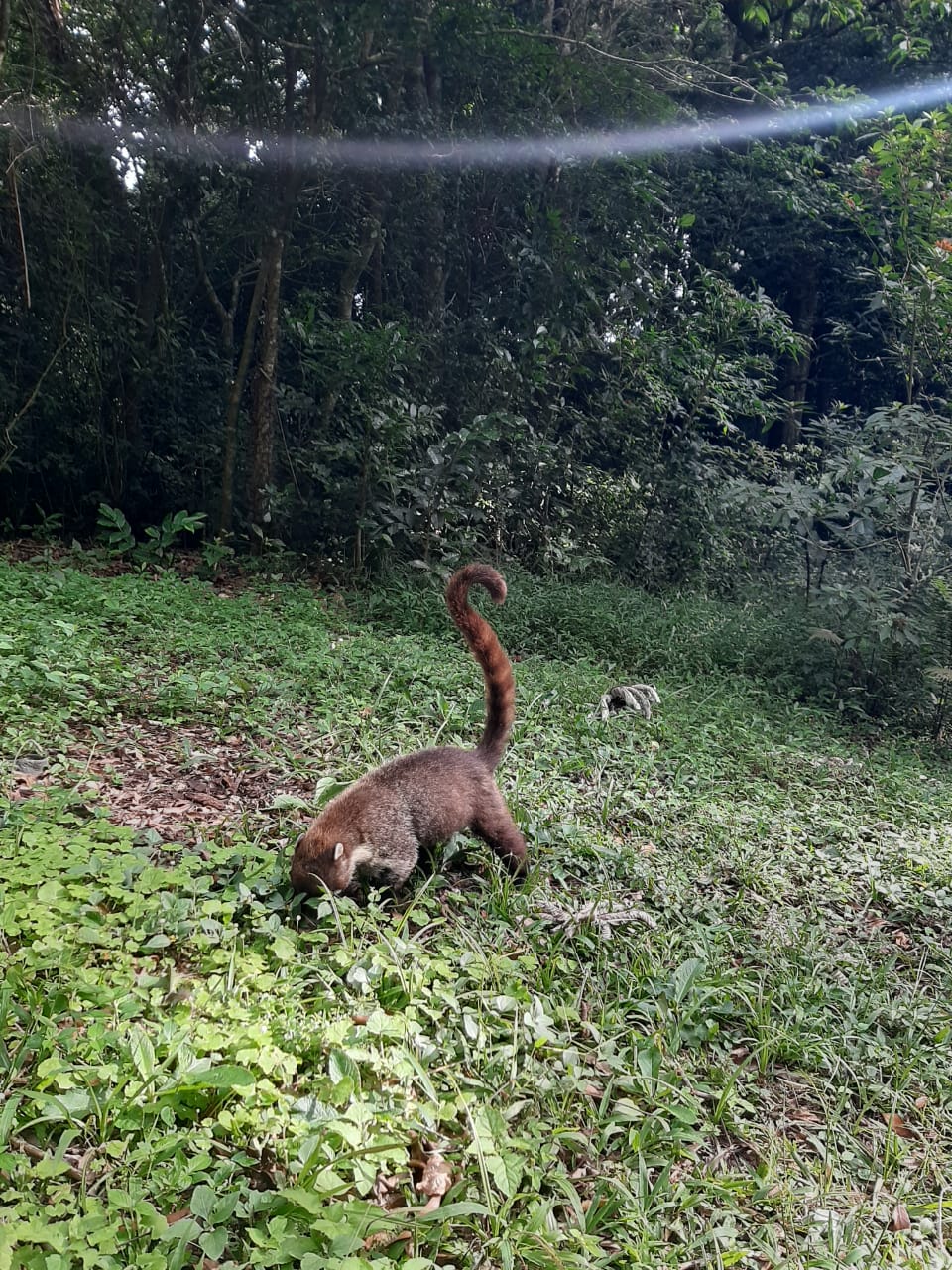
Despite my grief sneaking up on me more often, we are having an amazing time here. The boys are walking to school in the morning with Symeon everyday and walking home on their own in the afternoon. Symeon is working from home and uses his lunch breaks to do the family errands like food shopping. I am walking and hitching rides to my campus because it is a grueling hour or more hike with a very steep hill. It takes just as long on the way home because you have to walk very slowly down the hill so you don’t fall (I already fell twice in the rain on this hill). My phone health app keeps alerting me that I am walking more steps than I did this time last year. No shit Sherlock, we were in lock down and I was with my children all day, everyday. My school campus is extremely beautiful and has frequent pizote and howler monkey visitors. We often pause classes when there is a large group of pizotes eating right outside the classroom. Last week we even saw some babies. So cute! 

On Saturdays there is a community frisbee game. Usually the age range of players is 5-60+. It has been a great way to meet more families and get exercise. The game happens rain or shine and some of the long-time players, many of whom are my high school students, are insanely good. I have bruises from attempting to catch or block their throws. It is so fun to watch them make epic plays. The kids are now getting very good too and play at school during recess. It is so cute hearing the kids call out the names of their teammates and try out some Spanish. Next month soccer starts and both boys have signed up. The coach is our neighbor. The kids here are amazing at soccer so it will be interesting to see how the boys do. 

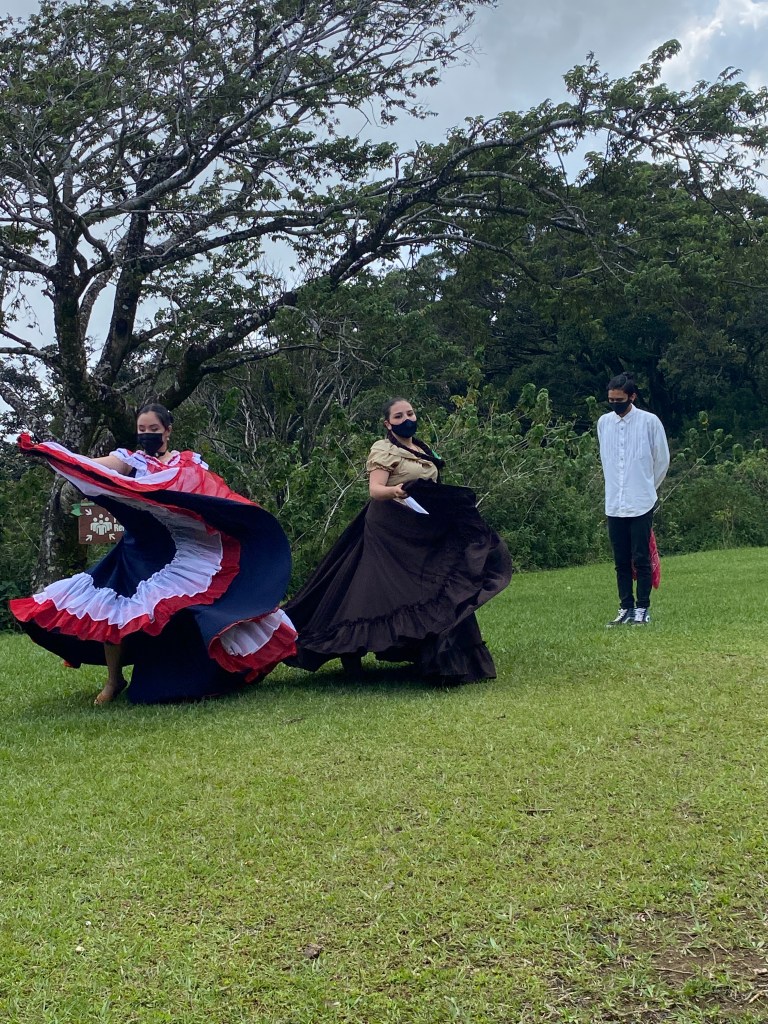
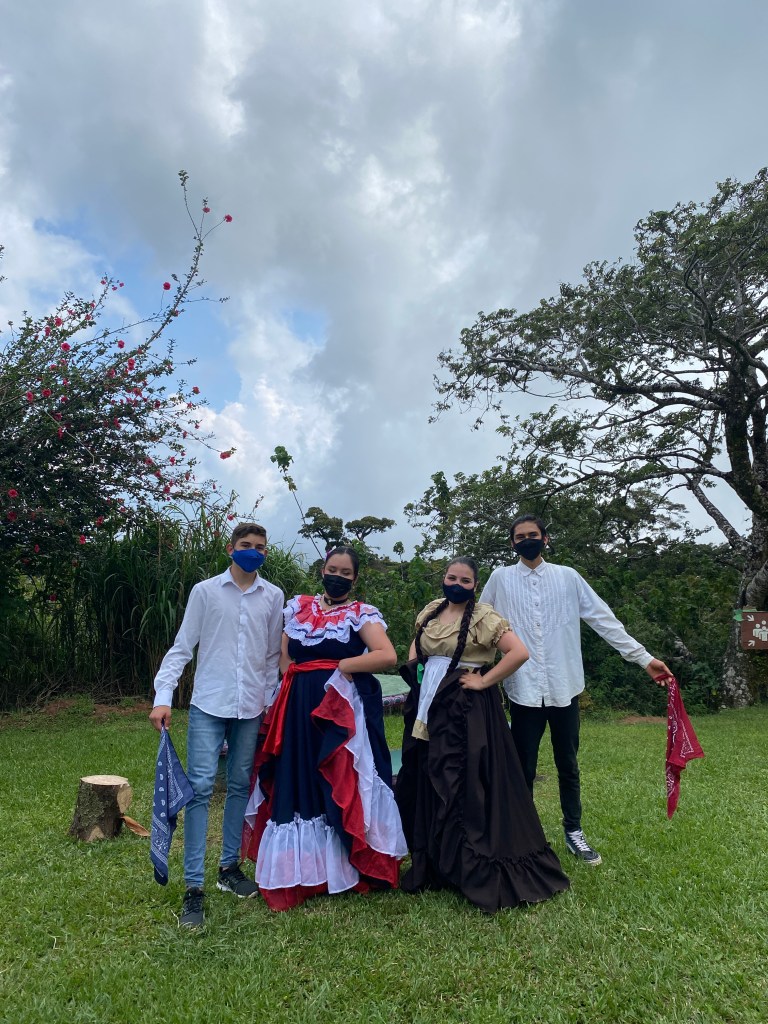
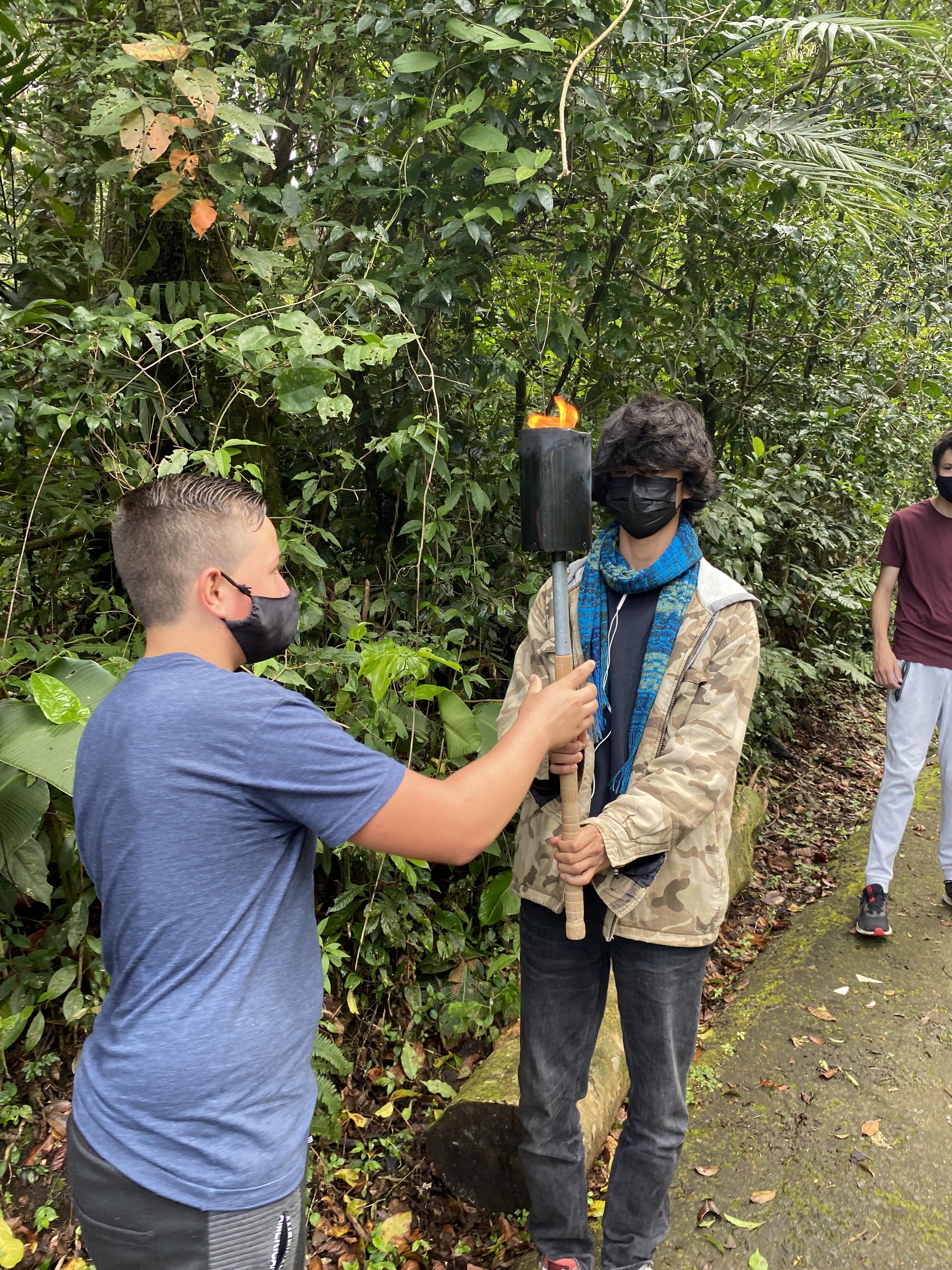
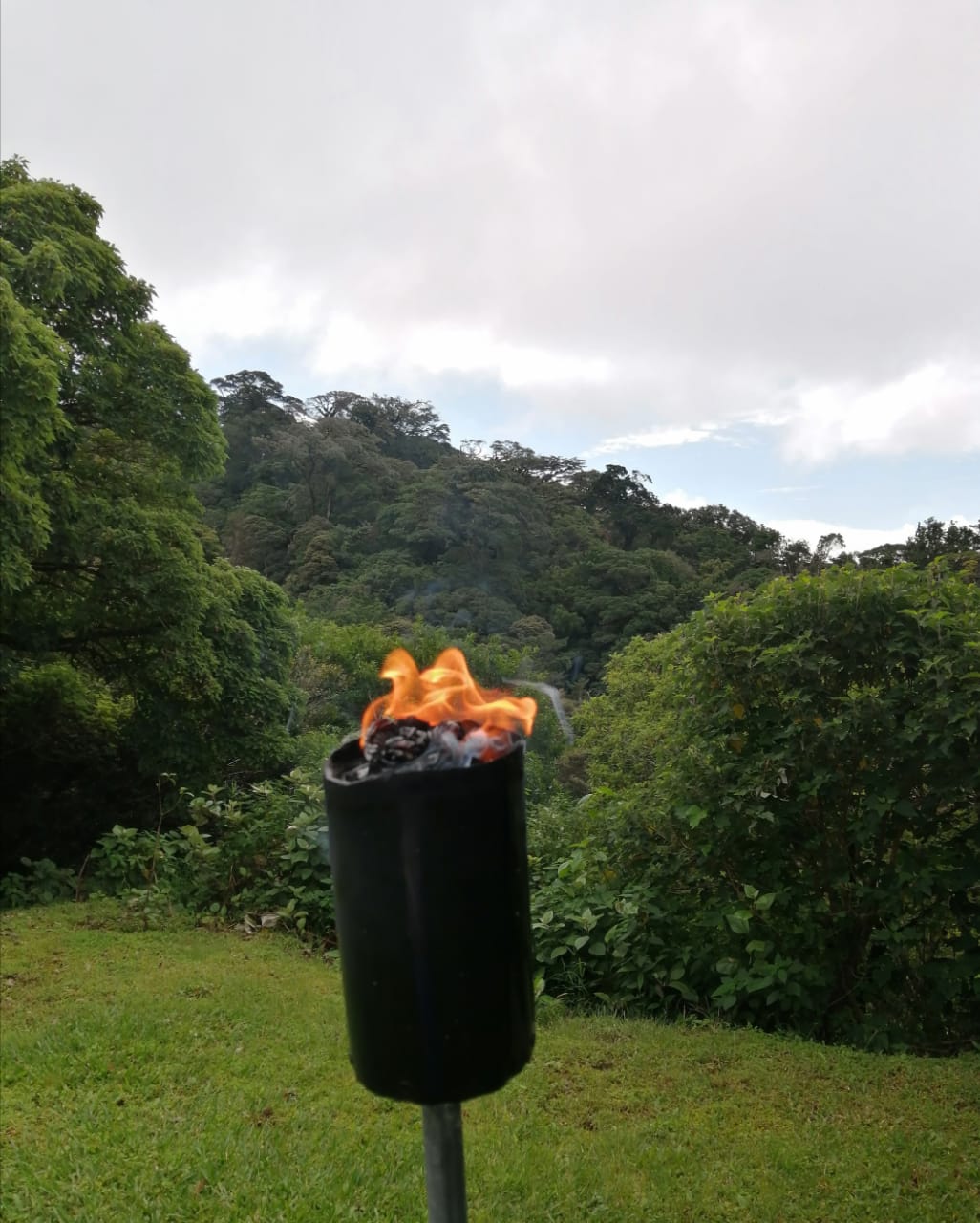
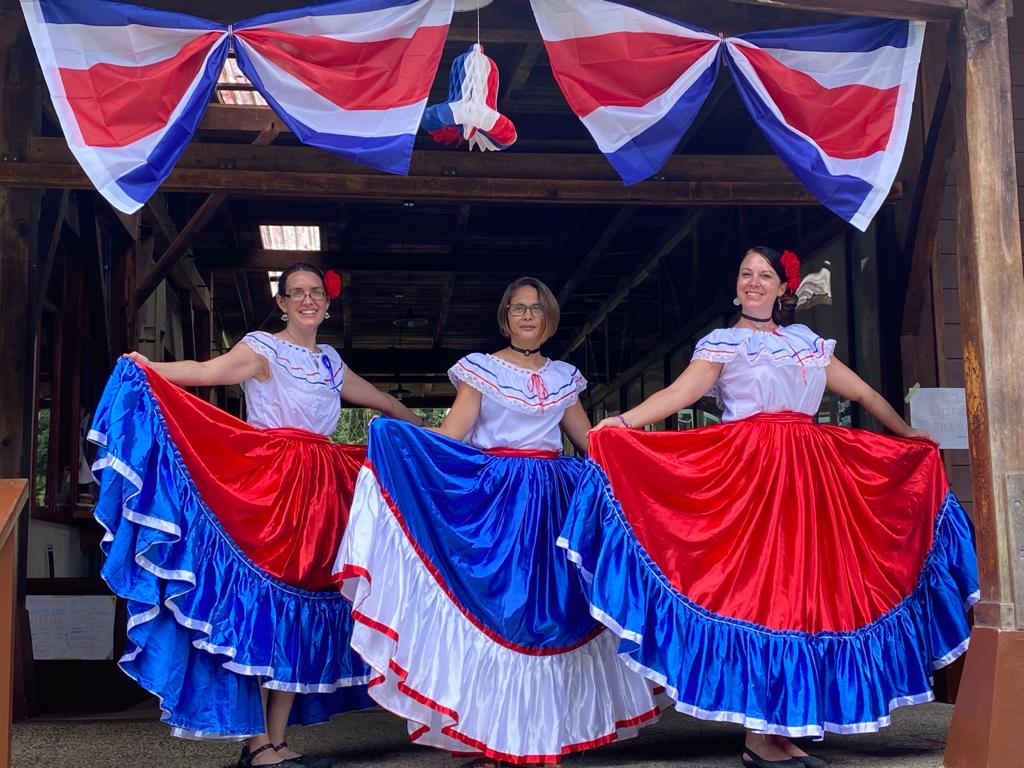
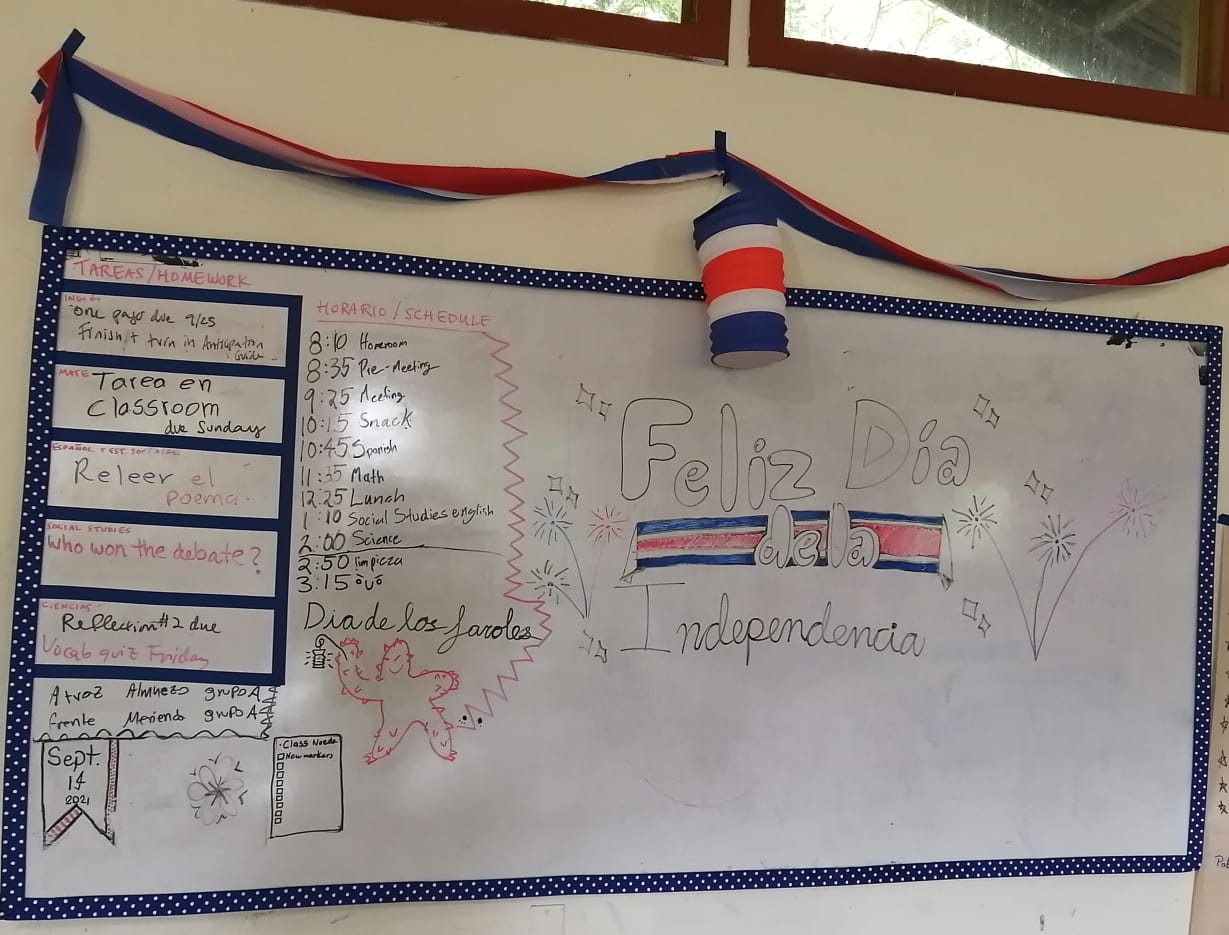
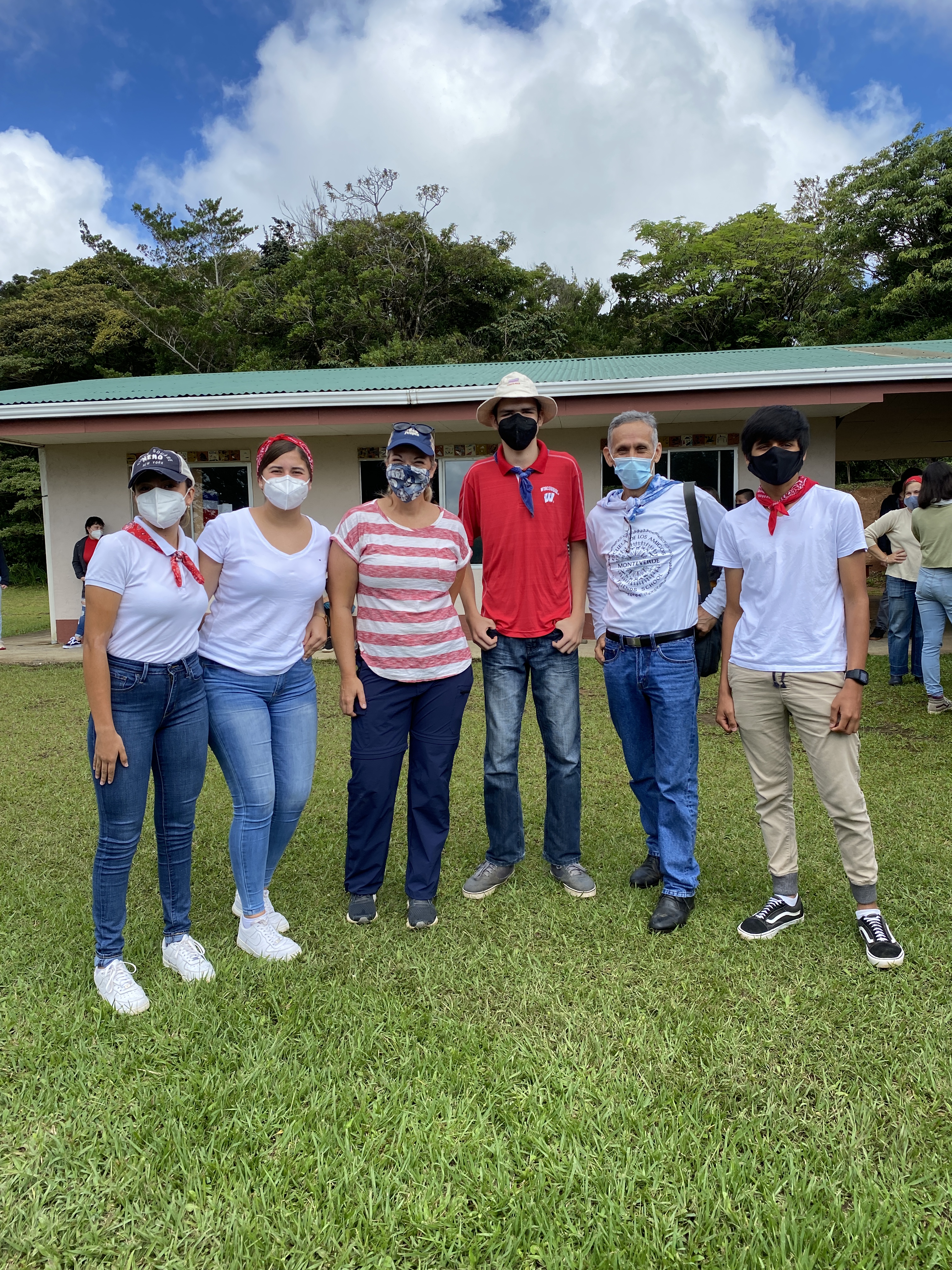
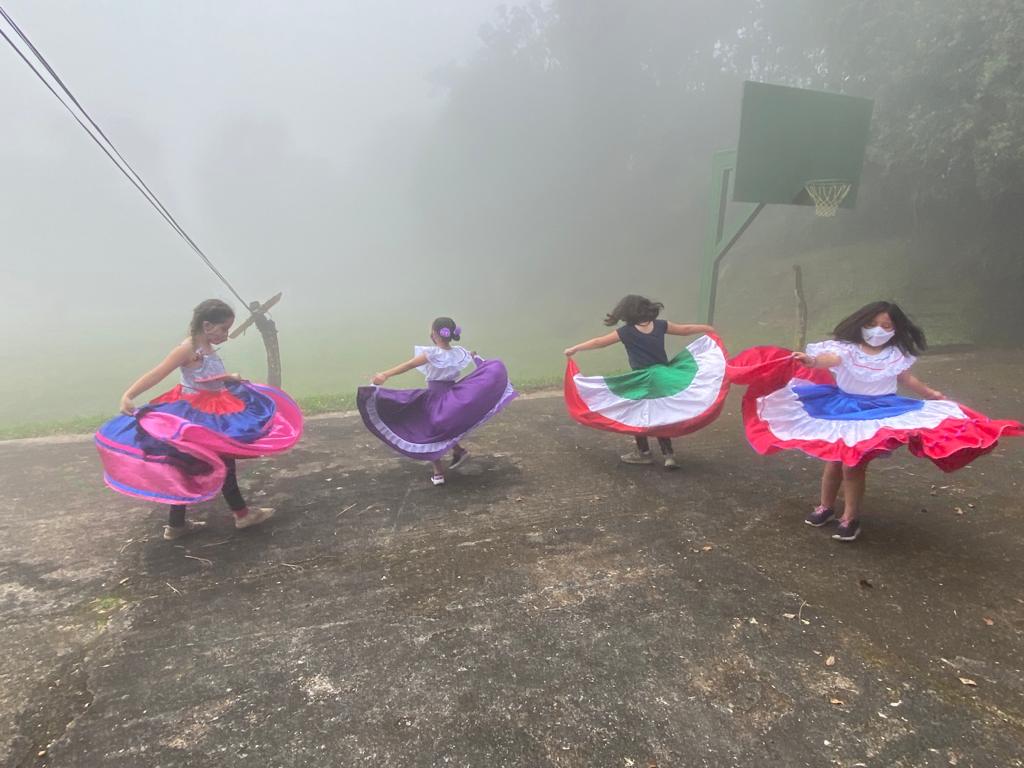
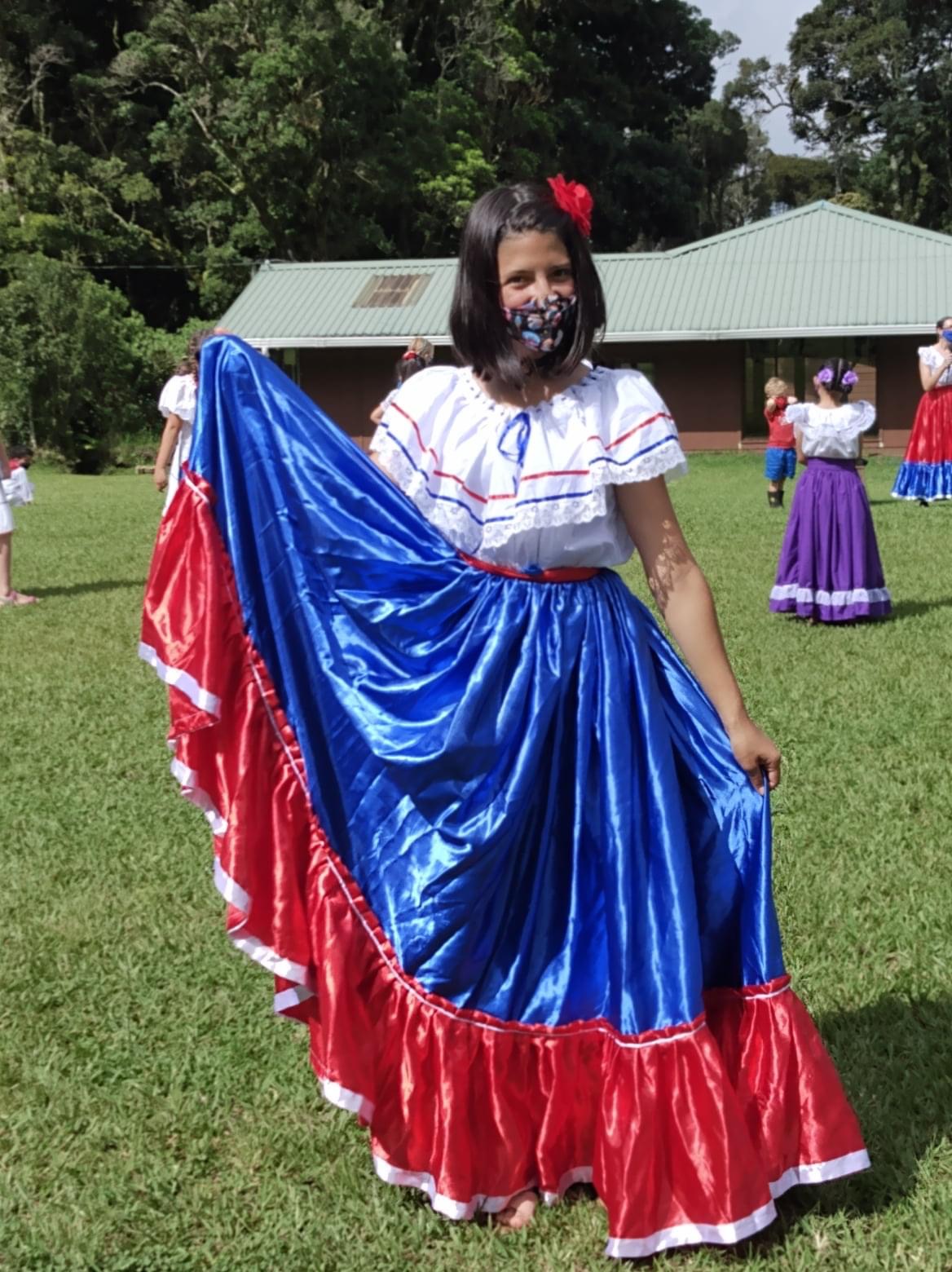
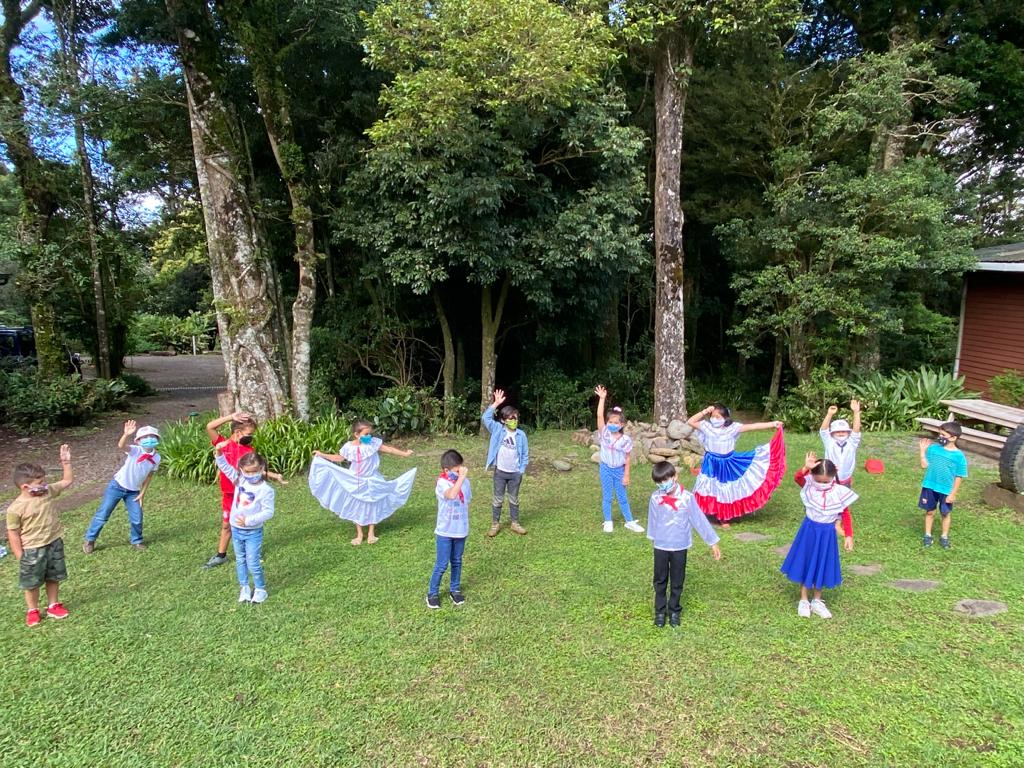
We celebrated Independence Day on September 15th. Costa Rica shares Independence Day with El Salvador, Guatemala, Honduras and Nicaragua. A torch is lit and carried through all of Central America marking their freedom from Spain. Some of the students participated in the torch run by waking up at 3am and running from another town all the way to our town and up to the school. We passed a lit torch from person to person and let it burn during the school day. Poems were read, songs were sung, and students dressed in traditional clothes or red, white and blue. In my classes we played Costa Rican Jeopardy, had discussions about the meaning of citizenship, and read about Independence Day traditions around the world. 

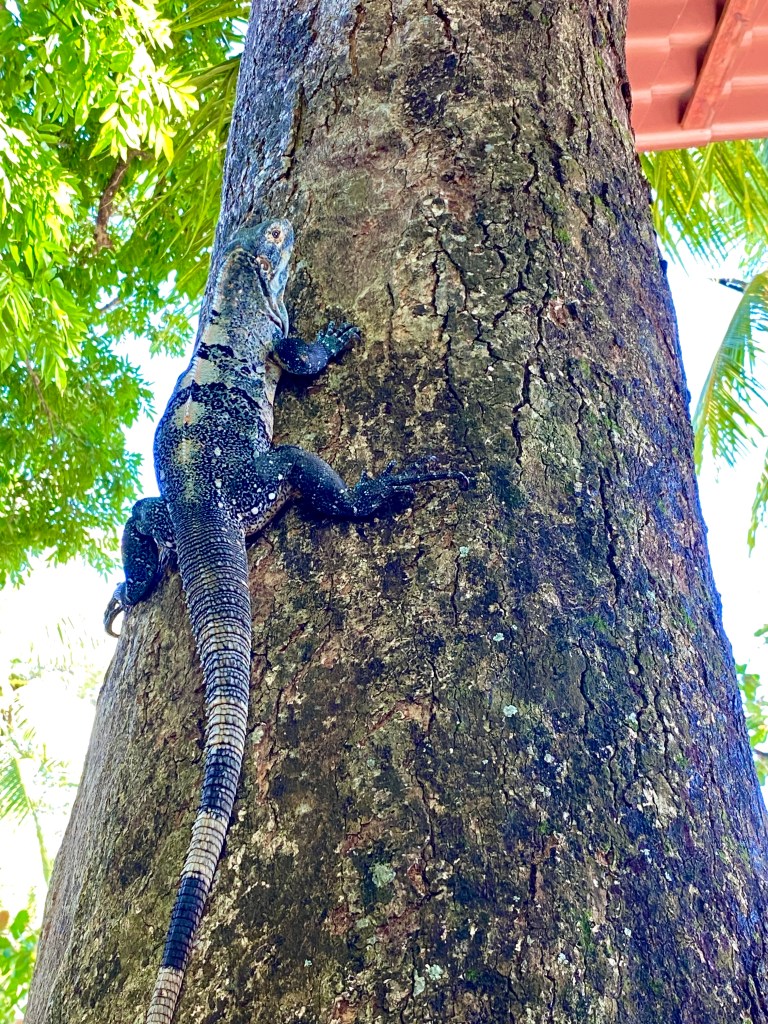
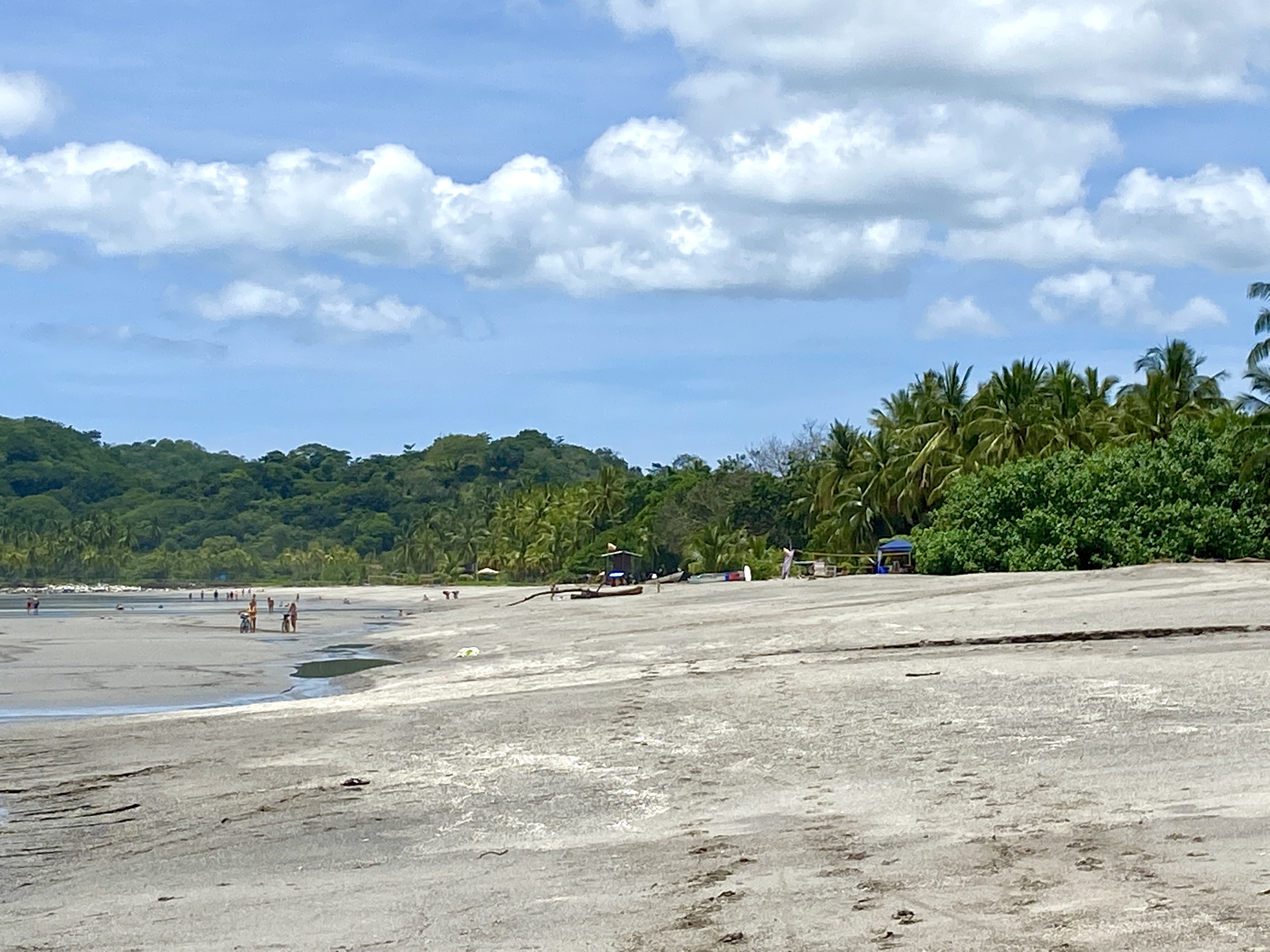
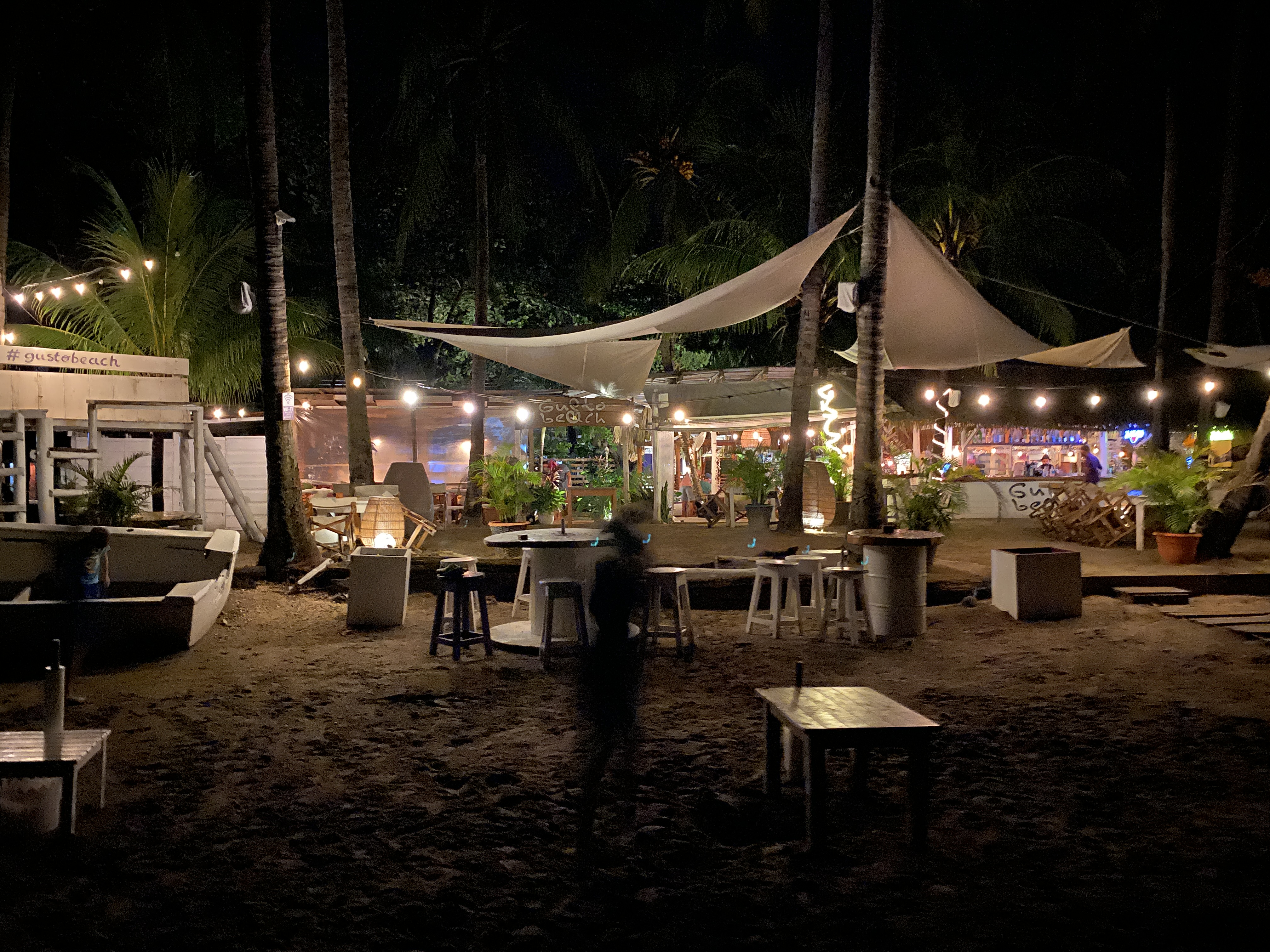
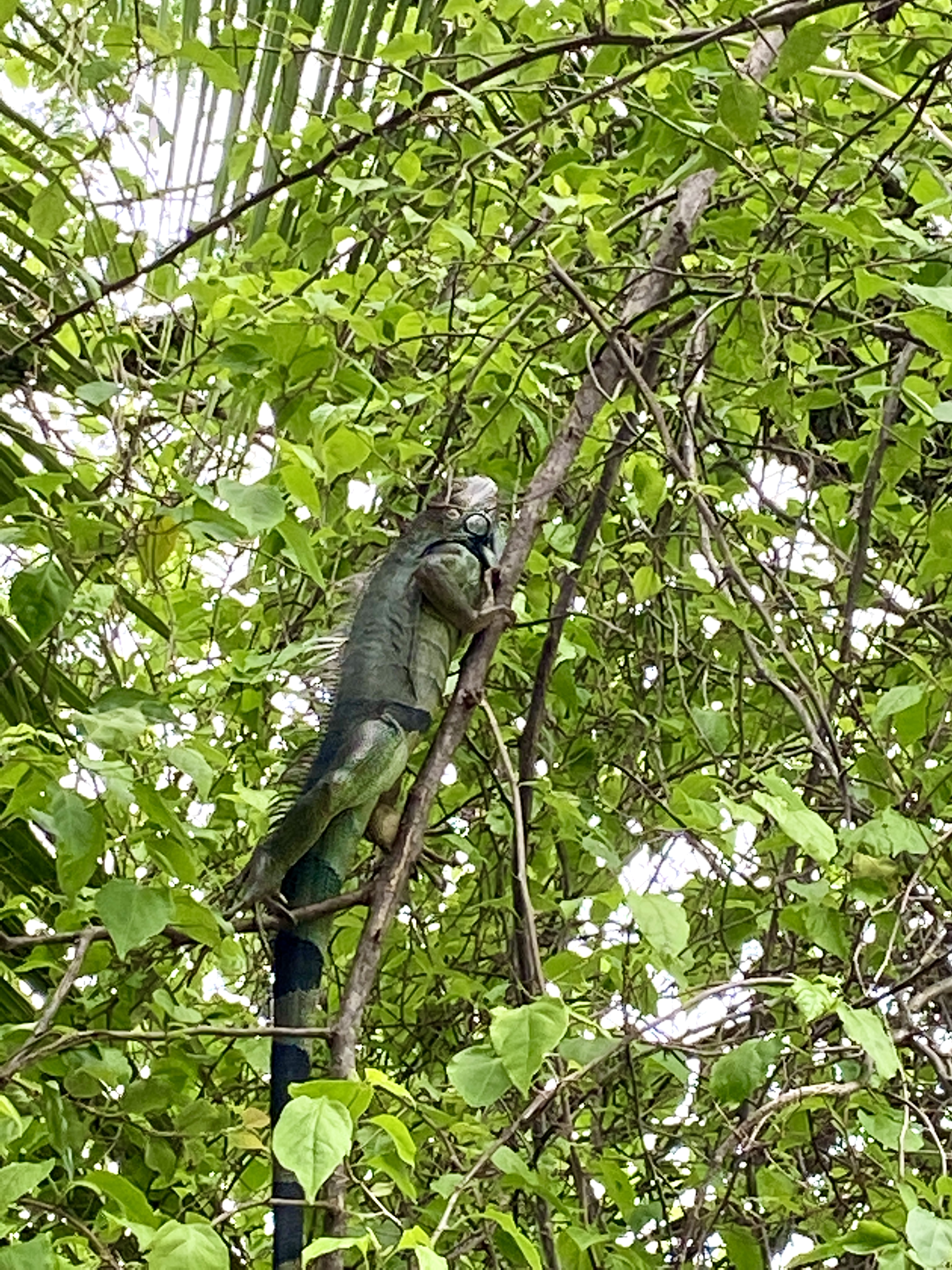
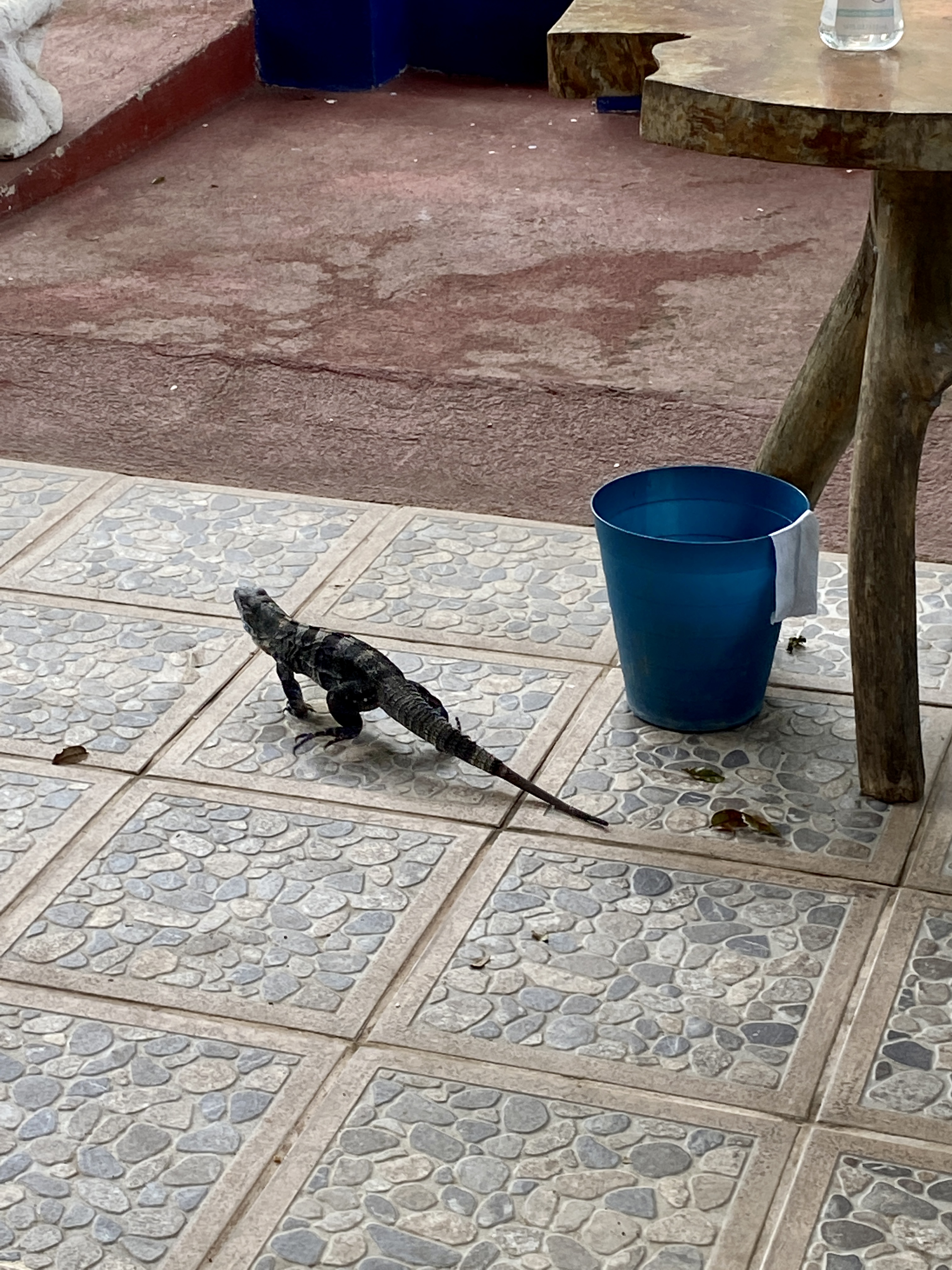
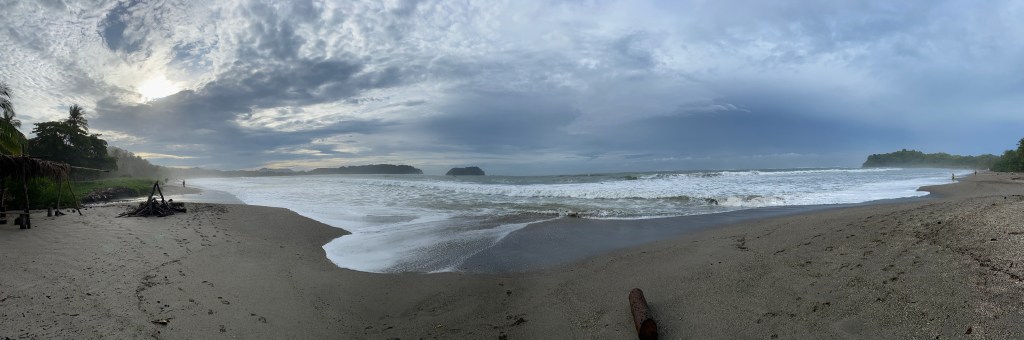
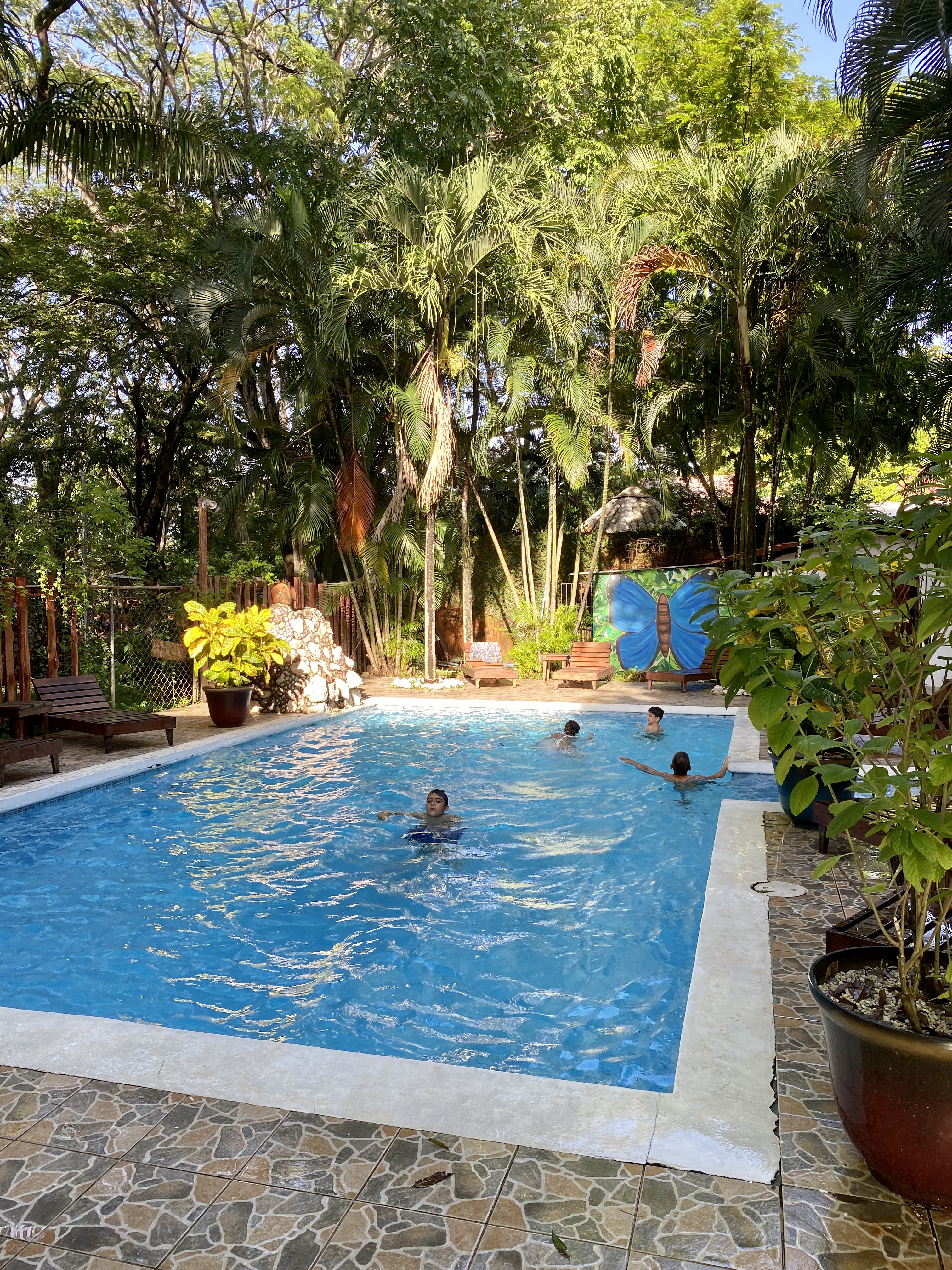
Because of the holiday we had a three day weekend and we ventured off the mountain to the beach town of Samara with friends. Samara is a 3 hour drive from Monteverde, 1 hour is just to get down the winding mountain road. We rode in a taxi van and we all got a little carsick on the way there. We stayed at a cute, casual hotel that is owned by a family in Monteverde. Their son is in my class. We could walk around the corner to the beach and to very good restaurants and bakeries. The kids played all day in and out of the water while the grownups chatted. We had great seafood and I saw huge wild iguanas. I loved seeing another part of the country and I now know why so many people move here from around the world to settle on the Pacific Coast.

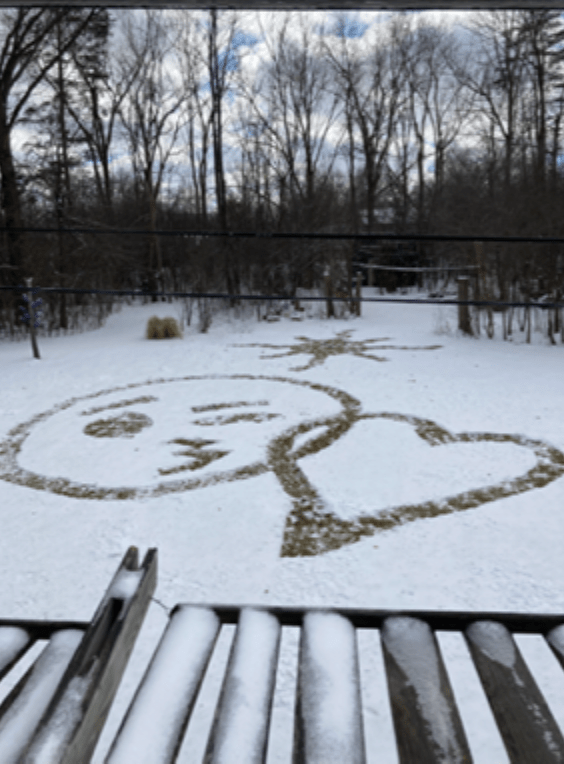
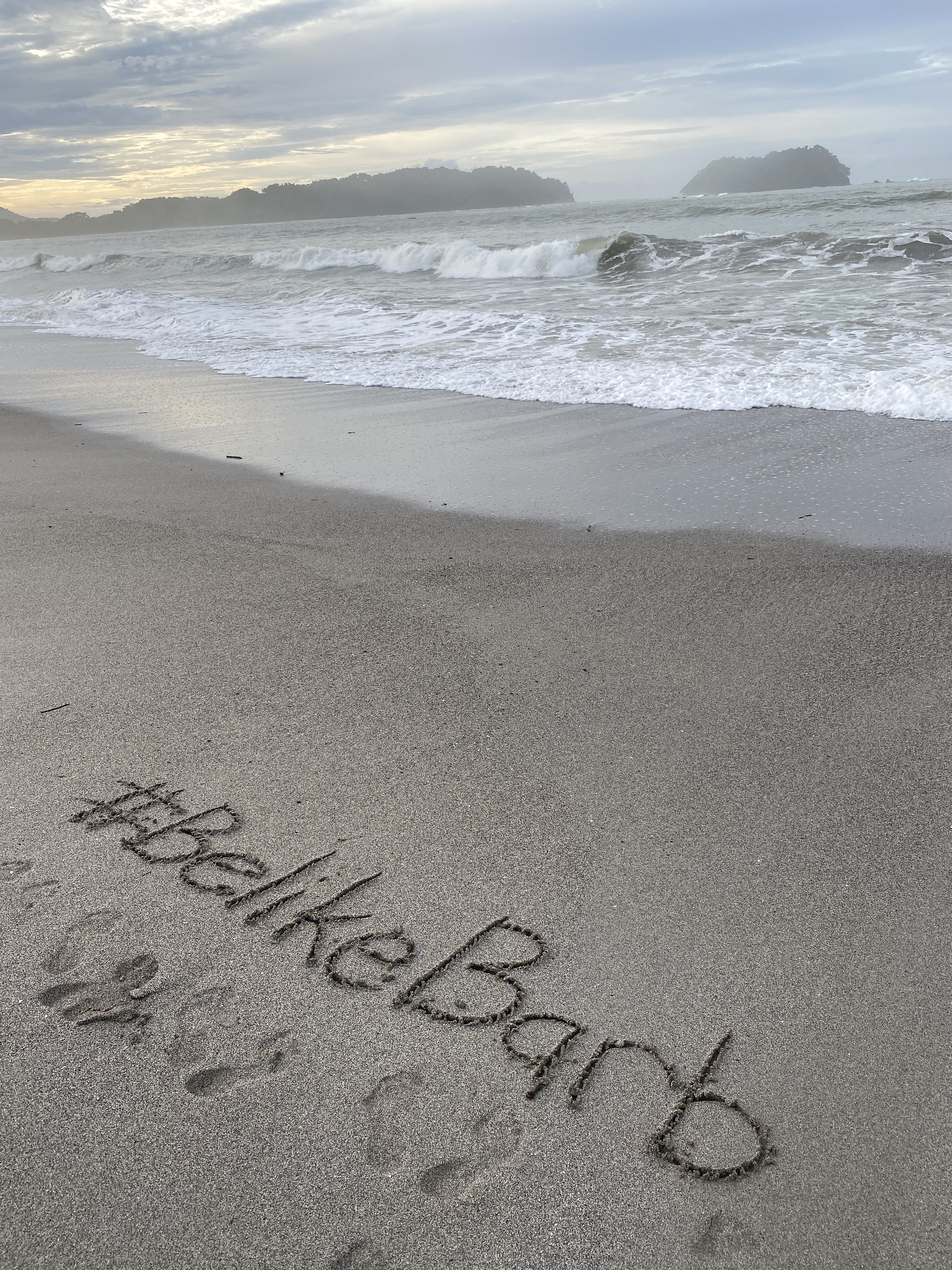
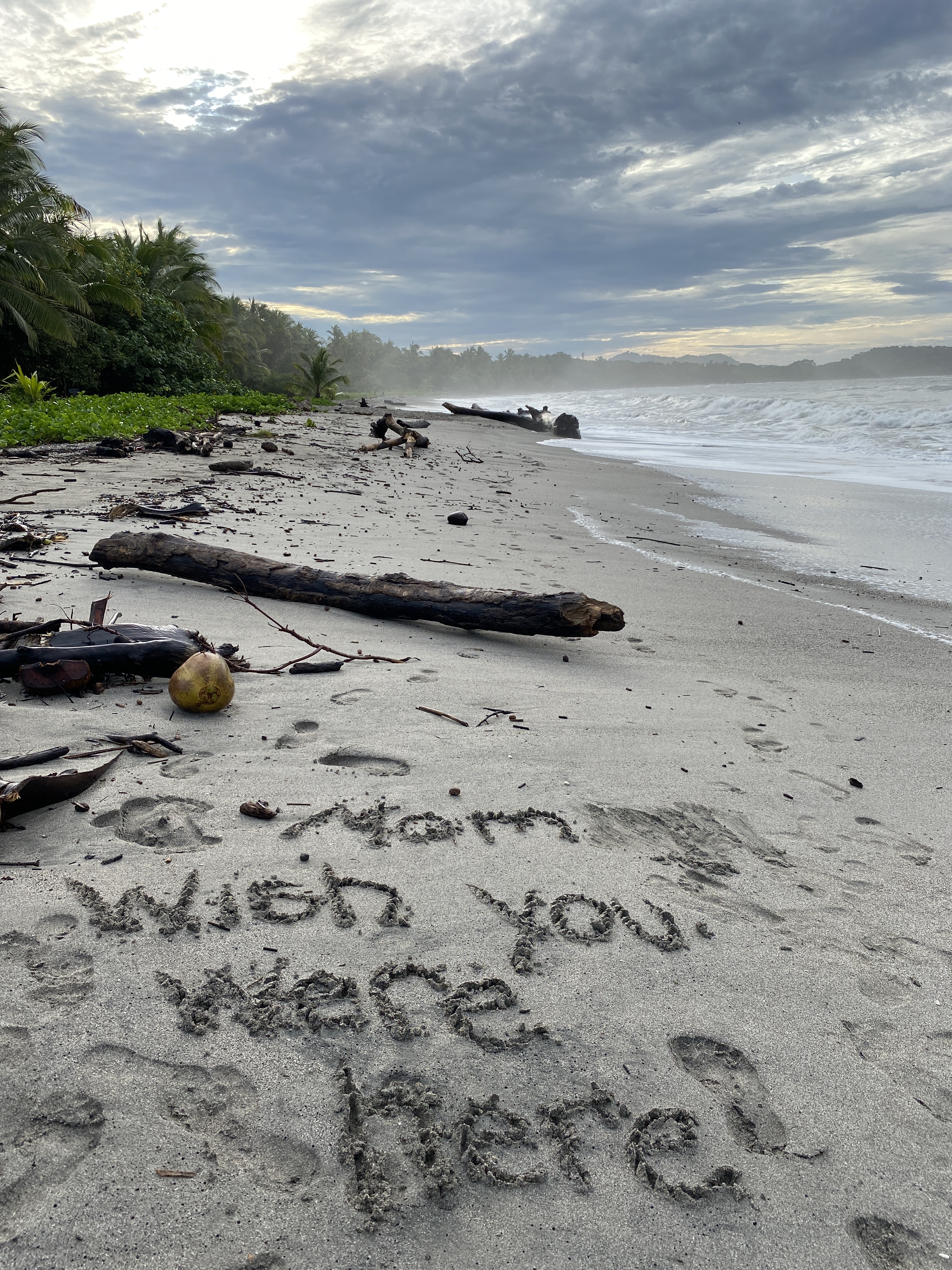
Samson and I got up early one morning and walked the beach and talked about BaBa. We sent her some messages in the sand. 

My Spanish vocabulary is expanding but I am still way behind. Symeon is doing a great job and tries his best to speak Spanish everywhere. The boys are learning so quickly. Desmond is in immersion classes and he says his Spanish teacher doesn’t know English. He has his classmates do all the translation, especially his desk-mate Dorothy. Samson is in SSL classes (Spanish Second Language) because he is older so he gets pulled out with two other English speaking students for special lessons. Every night the boys are asking how to say certain words and they even made up a silly game where you lose if you speak English. Desmond loves saying “Hola ¿Cómo estás?” while walking past people on the street and “Buenas Noches” to taxi drivers. Twice, a man in a red pickup truck has seen me walking to work and he stopped to give me a ride. On the way he talks and talks and I can only understand every 5th word. I just smile, say Gracias, and get out and head into work. I want to say he’s my friend but honestly I have no clue what’s going on. 

Everyone here uses WhatsApp to text and call. They also use it for group messages. I am now in a dozen group chats- one for all staff, one for just high school staff, one for Arts & Culture activities in town, one for a community center in town that has rock climbing, yoga and pottery classes, one for community discussions, and so on. These are 99% in Spanish so I’m using Google Translate all day long to stay up to date on what’s going on in this community. My favorite text was a picture of a bull and a message about the bull running away and has anyone seen it. The next morning I asked my homeroom students what their rose and thorn was about the weekend. A student responded that his thorn was that his family’s brand new bull ran away and he spent the whole weekend searching and then ultimately, after he found the bull, getting it back to the farm. I laughed and said, “OMG! I heard about your bull on the community group chat” and pulled up the picture on my phone.  Even funnier is that the bull ran so far away that it was in a neighborhood where my colleague, the new science teacher from Seattle, lives. His husband was home that afternoon and saw the bull walking in the yard so he got out his phone to take a video. When the family found the bull, they tried to push it into the cart to be brought back home, but he wouldn’t go, so they brought a cow to talk to him and convince him to go home. No electric shockers or other cruel tools. The drama took up my student’s whole weekend and he was quite salty about it. I will never forget this bull story. 

We are living in a very different environment but some things have stayed exactly the same:

– Teaching is the hardest job ever. You work long hours and often do overtime without pay. Some students are a%#holes and there is never enough time in the day to plan out every class perfectly. School politics are consistently annoying. Every night I have big plans to stay up late and make the best lesson plans ever, and almost every night I fall asleep in pure exhaustion. 

– My kids still want screen time all the time and fight with us about it. We have to work hard everyday to get them into other things when we are at home and idle. The good thing is that this is a paradise of nature adventure and as soon as we go outside it’s easy to play and explore. 

– Symeon still makes me coffee every morning and a cocktail on weekend nights. Nothing tastes as good when I make it myself. I love every sip. 

– I still hate doing the dishes, but maybe even more so now because we don’t have a dishwasher and the soap doesn’t get grease off very well. Just thinking about doing dishes makes me depressed. 

– I miss my mom everyday. 

¡Feliz día de las Madre!

“My mother was my first country, the first place I ever lived.” ~ Nayyirah Waheed

Today is Mother’s Day in Costa Rica! This means I get two Mother’s Days this year and I get to pause and give thanks for my own mama again. I love this quote because it challenges our understanding of home. Home can be a geographical place or a physical structure but it can also be your people or your beliefs. You can find home away from home when you find people or an environment that brings you that same comfort and security of “home.” In teacher orientation last week we were asked “What would be the name of your autobiography?” I said “Yellow” because it was my mom’s favorite color and mine and the story of my life starts with her. She is the reason I developed a strong curiosity for the world and why I have the tools and confidence to do brave things. 

We have officially moved to Costa Rica. We are beginning our fourth week here in Monteverde. We arrived directly into the Liberia airport and came straight to the mountain (3 hour drive). Monteverde is all we know so far. But there is so much to explore here and each week reveals more cultural nuances, more unique creatures, more shortcuts and more friends. 

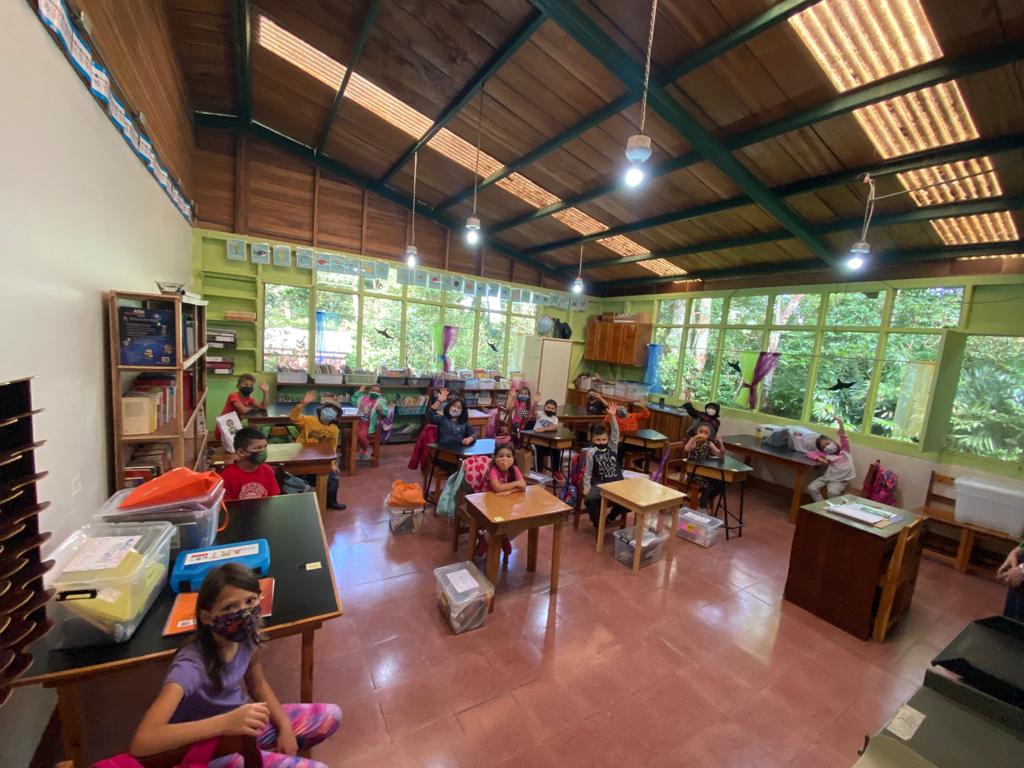
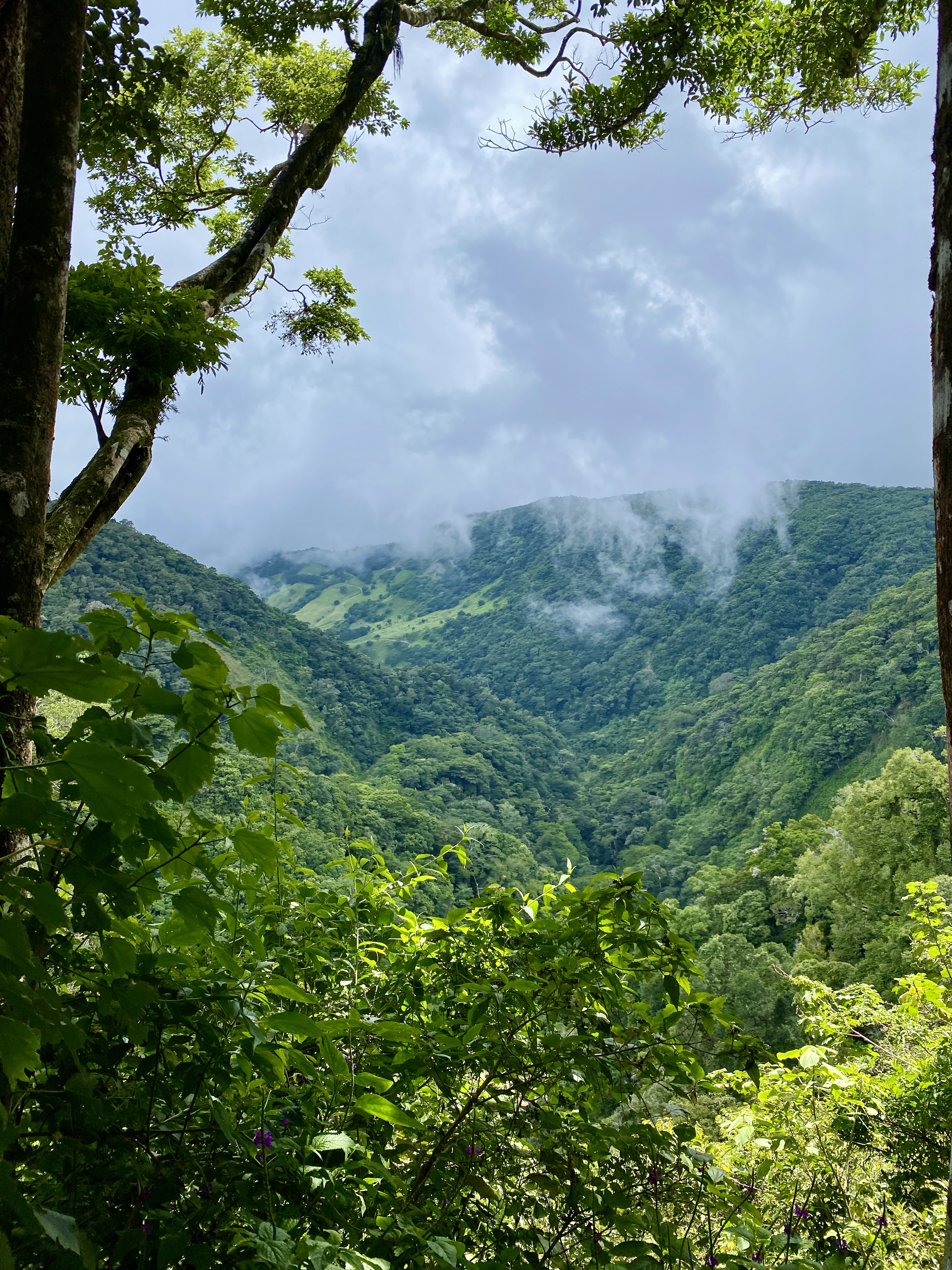
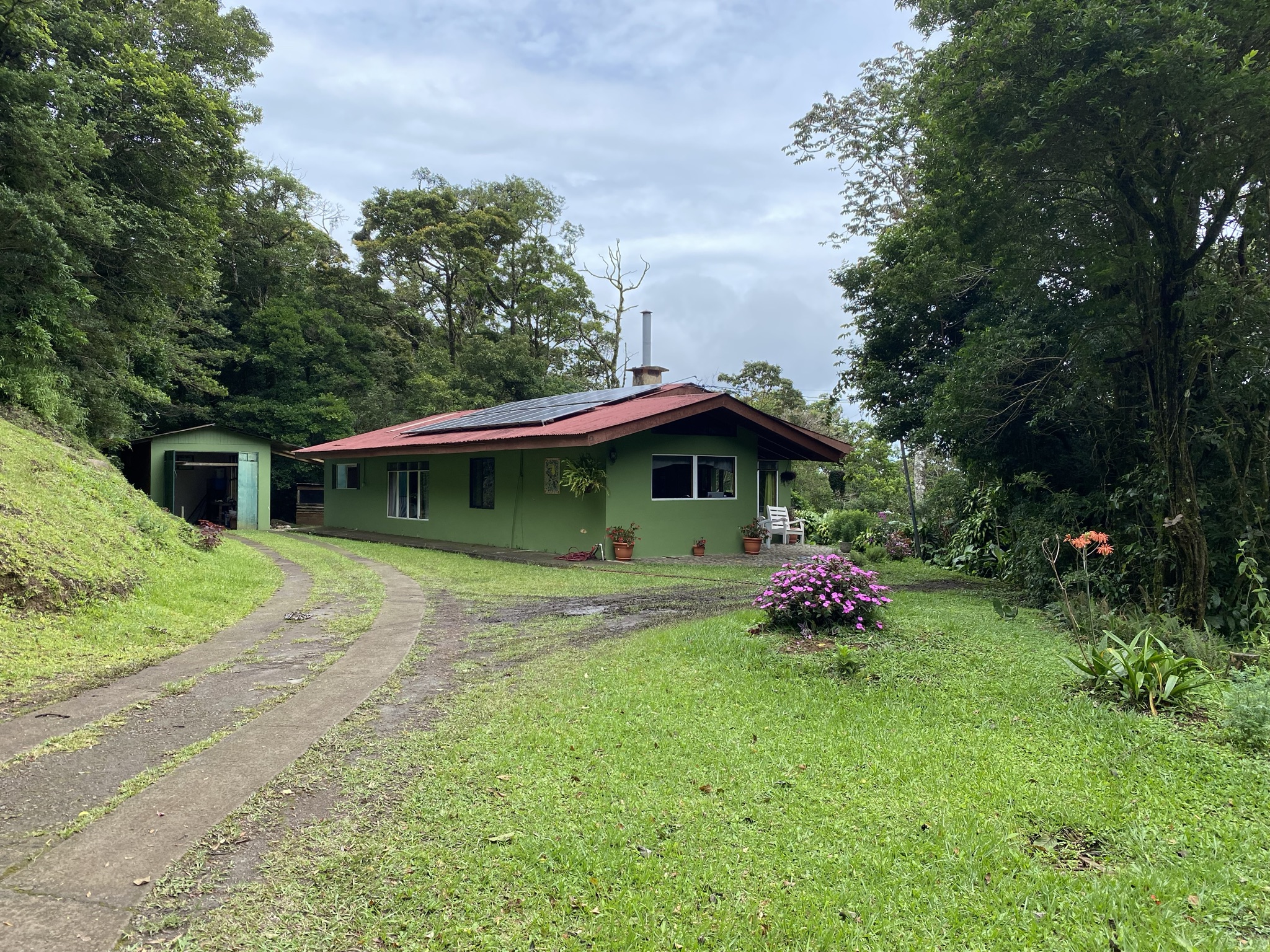
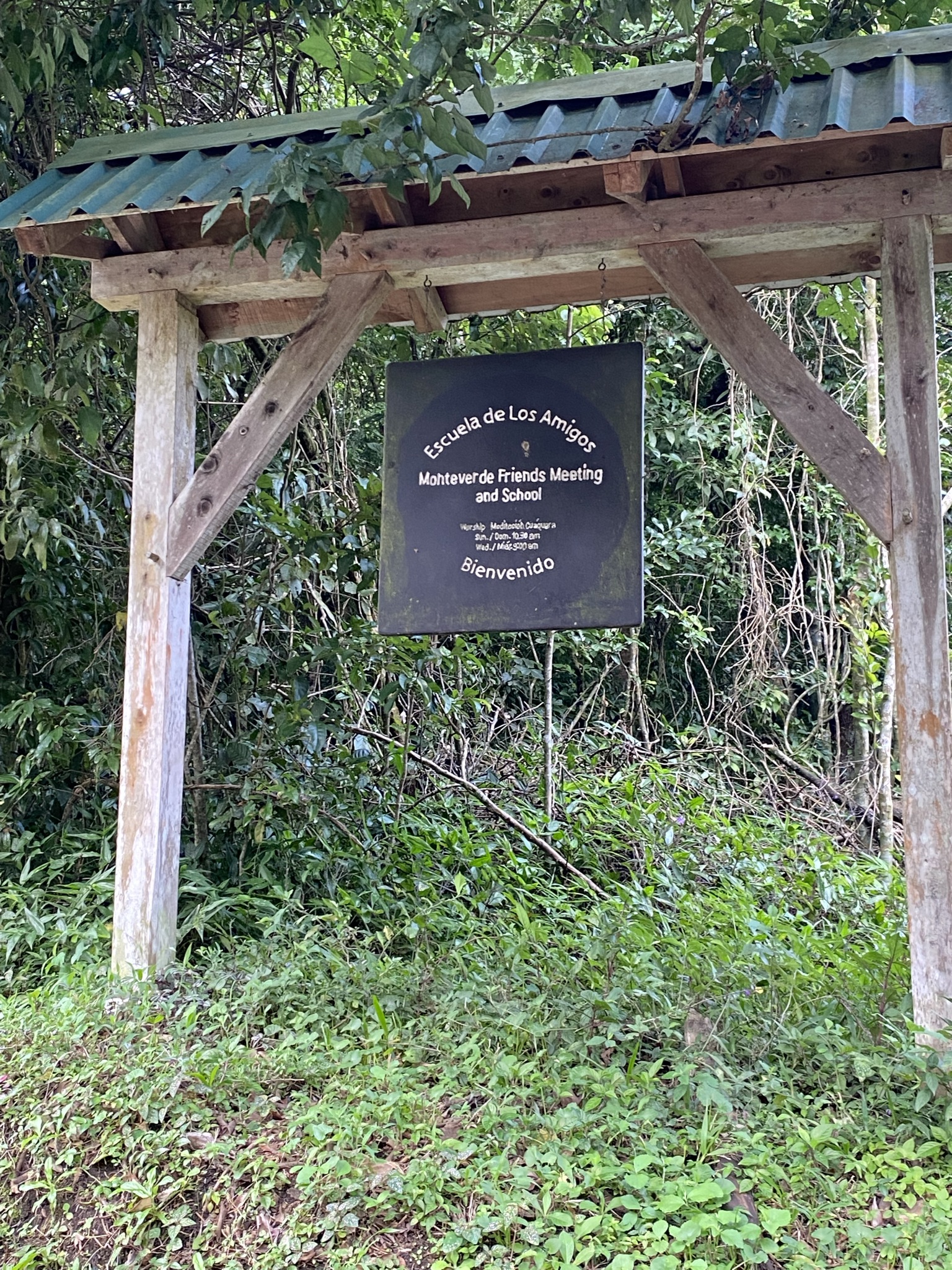
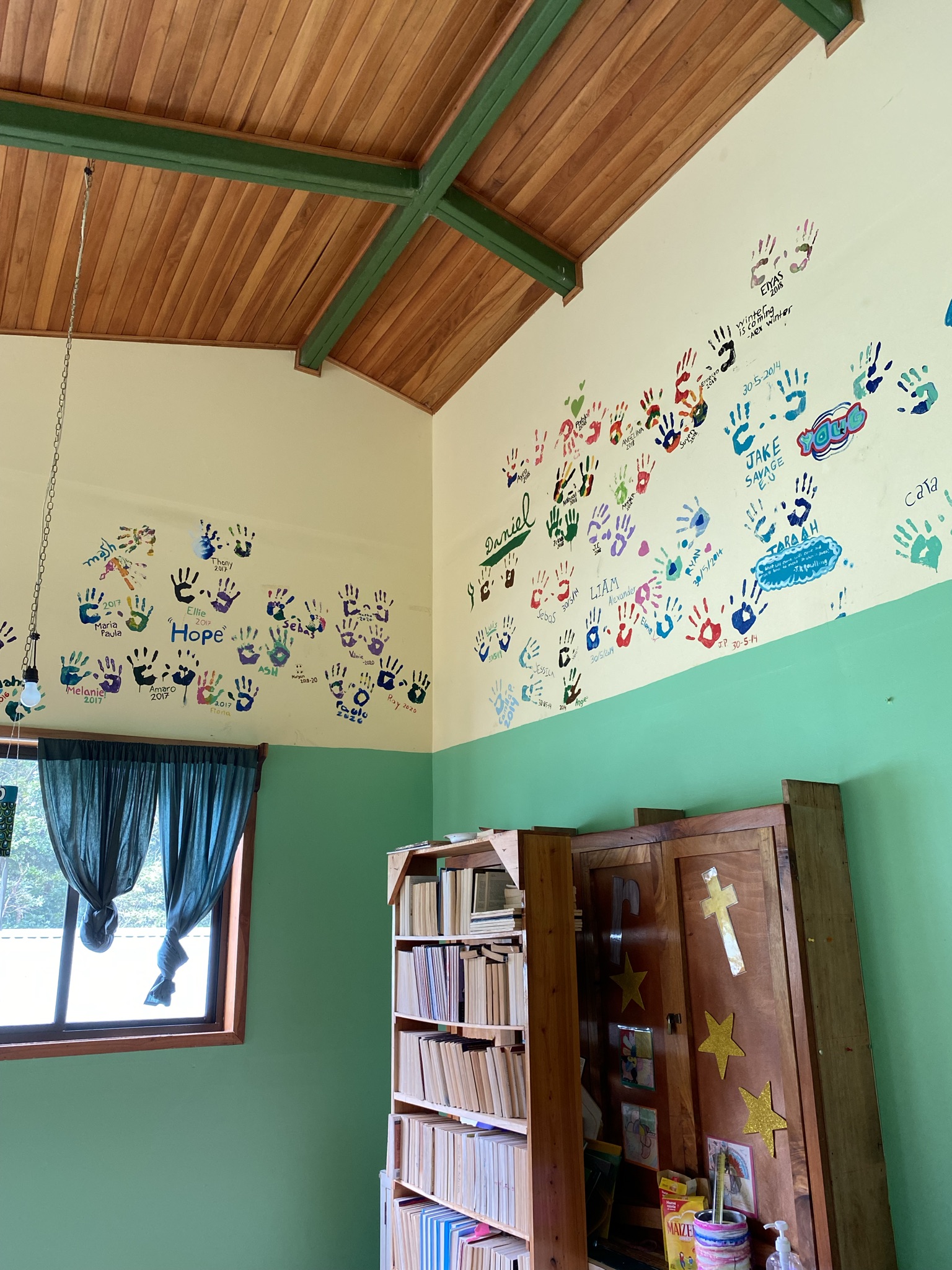
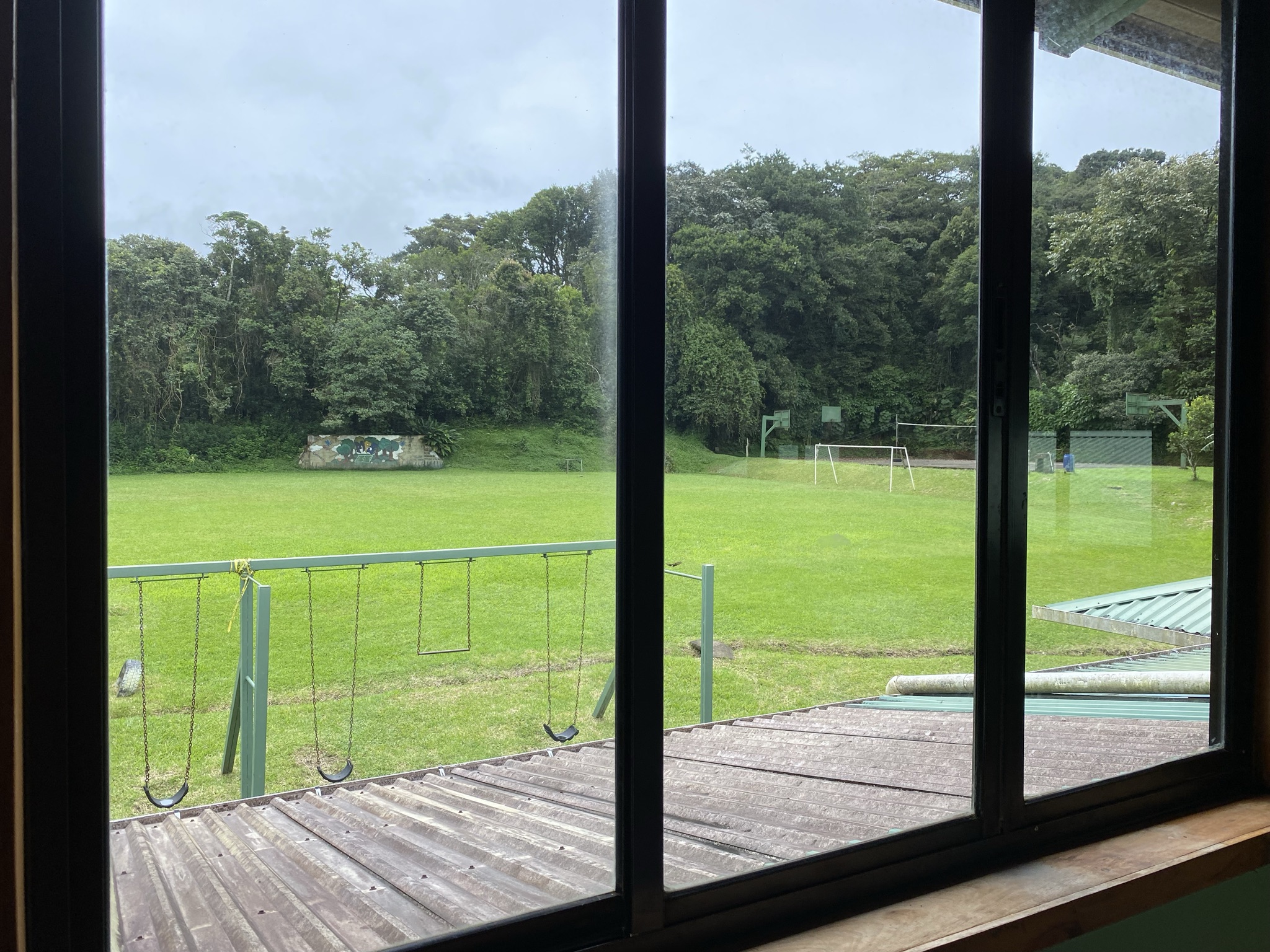
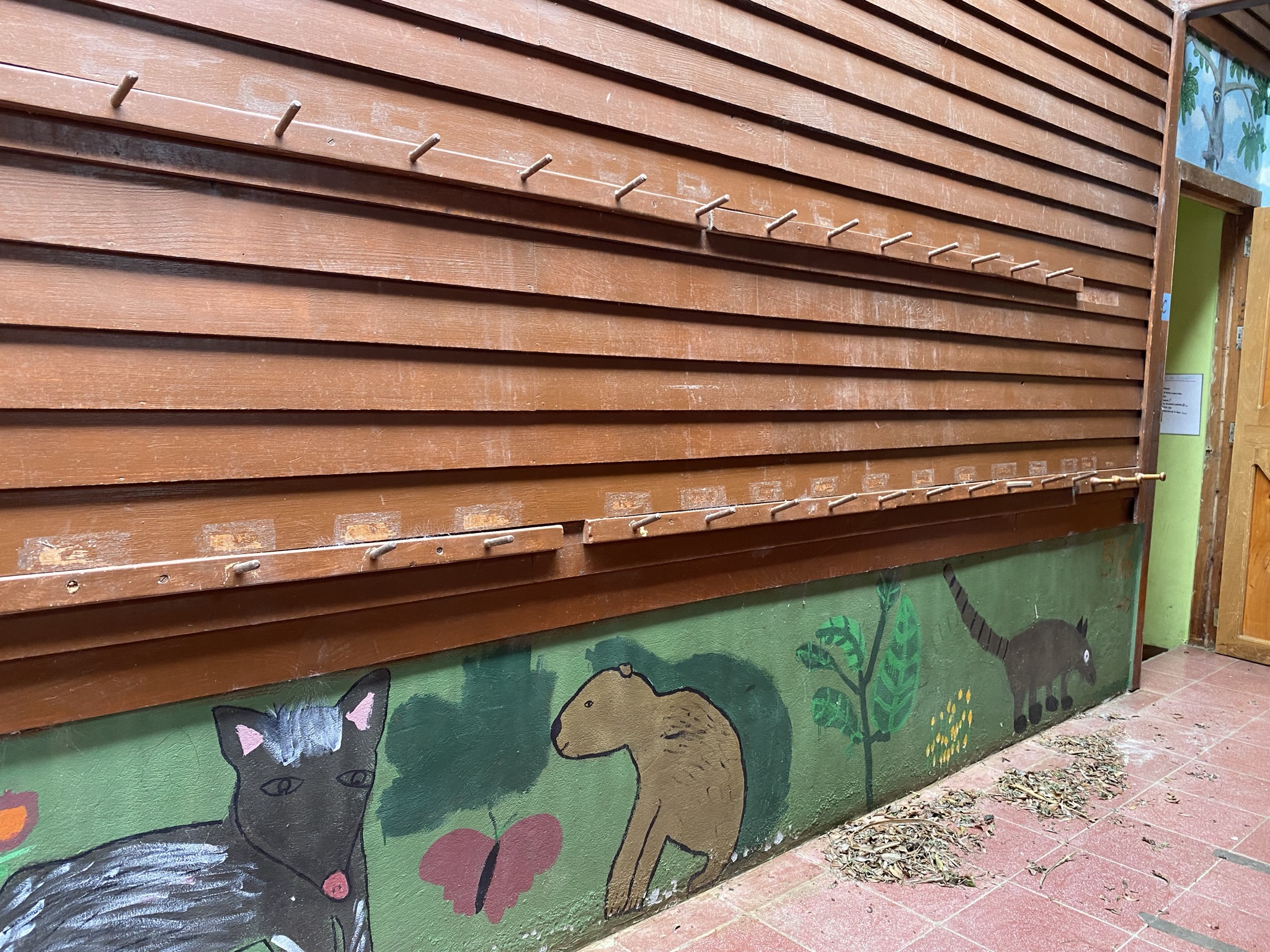
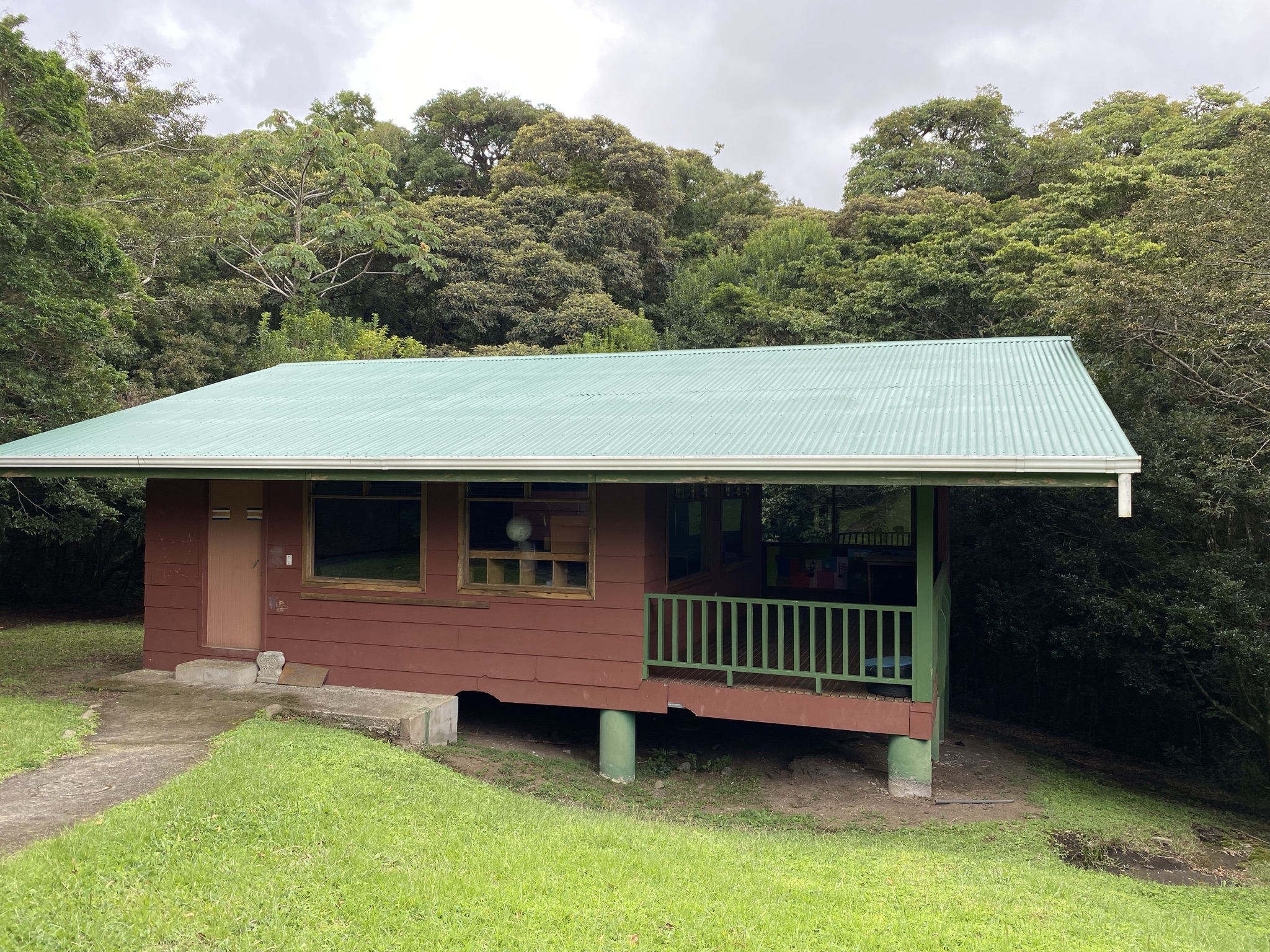
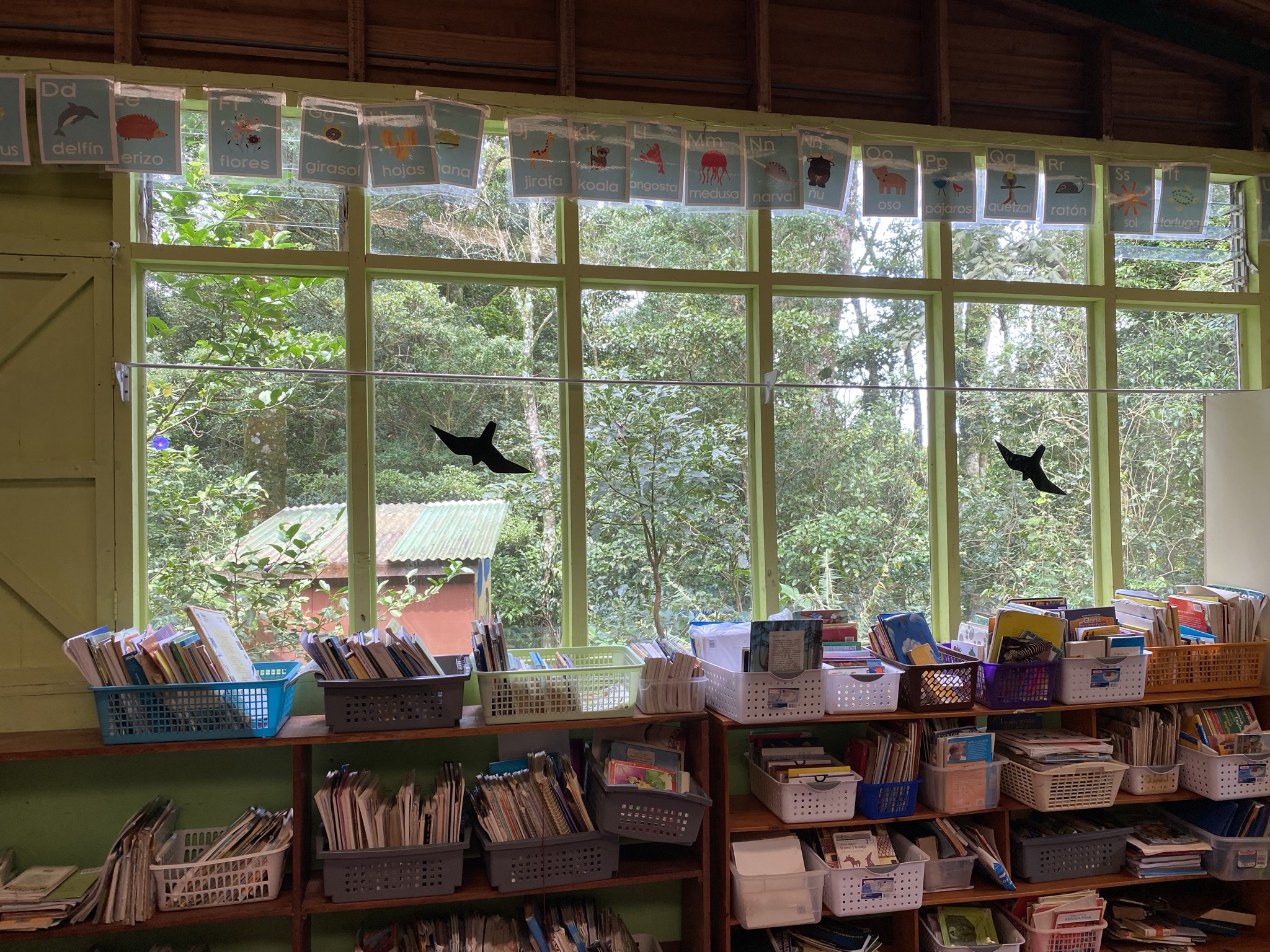
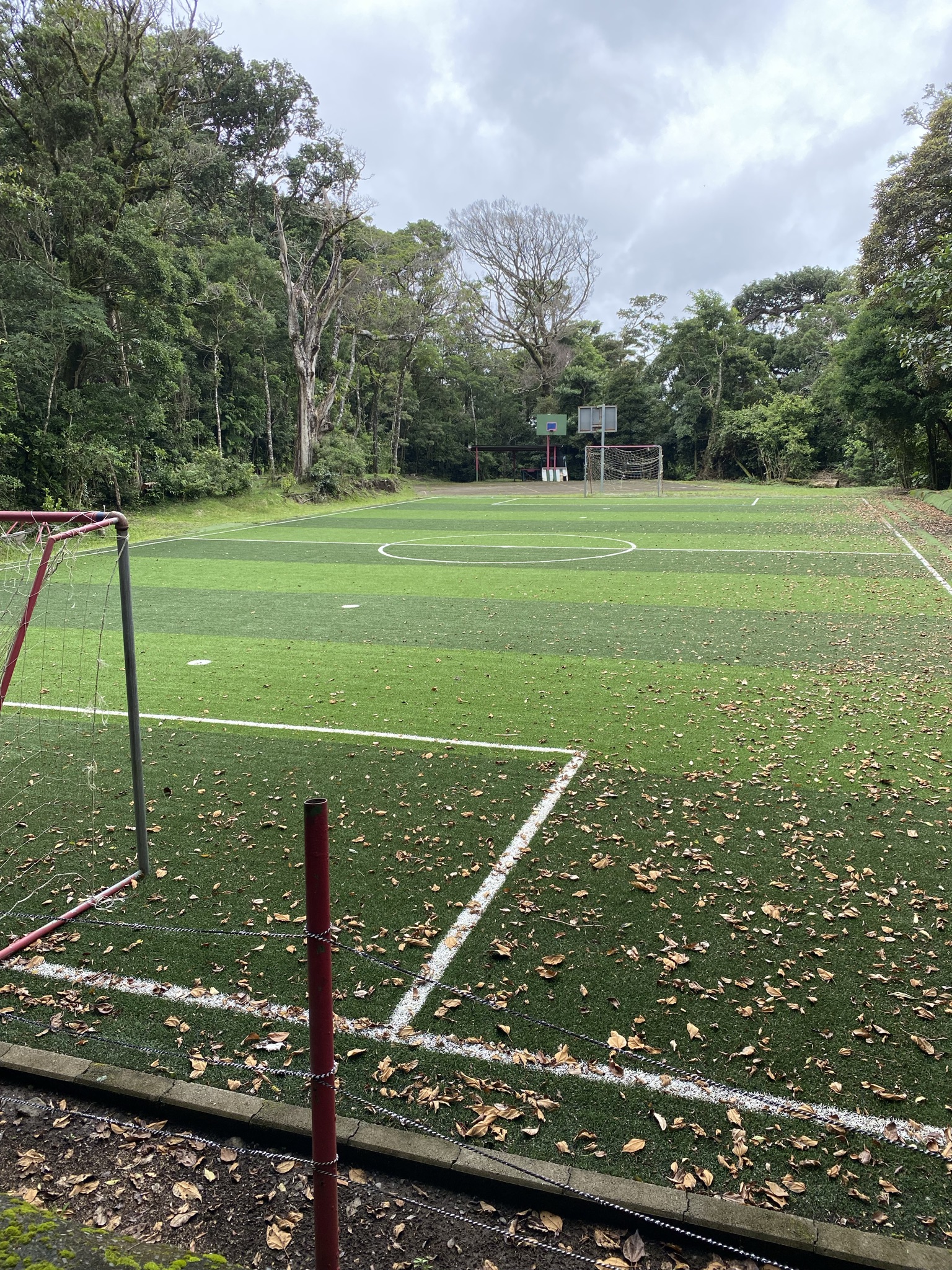
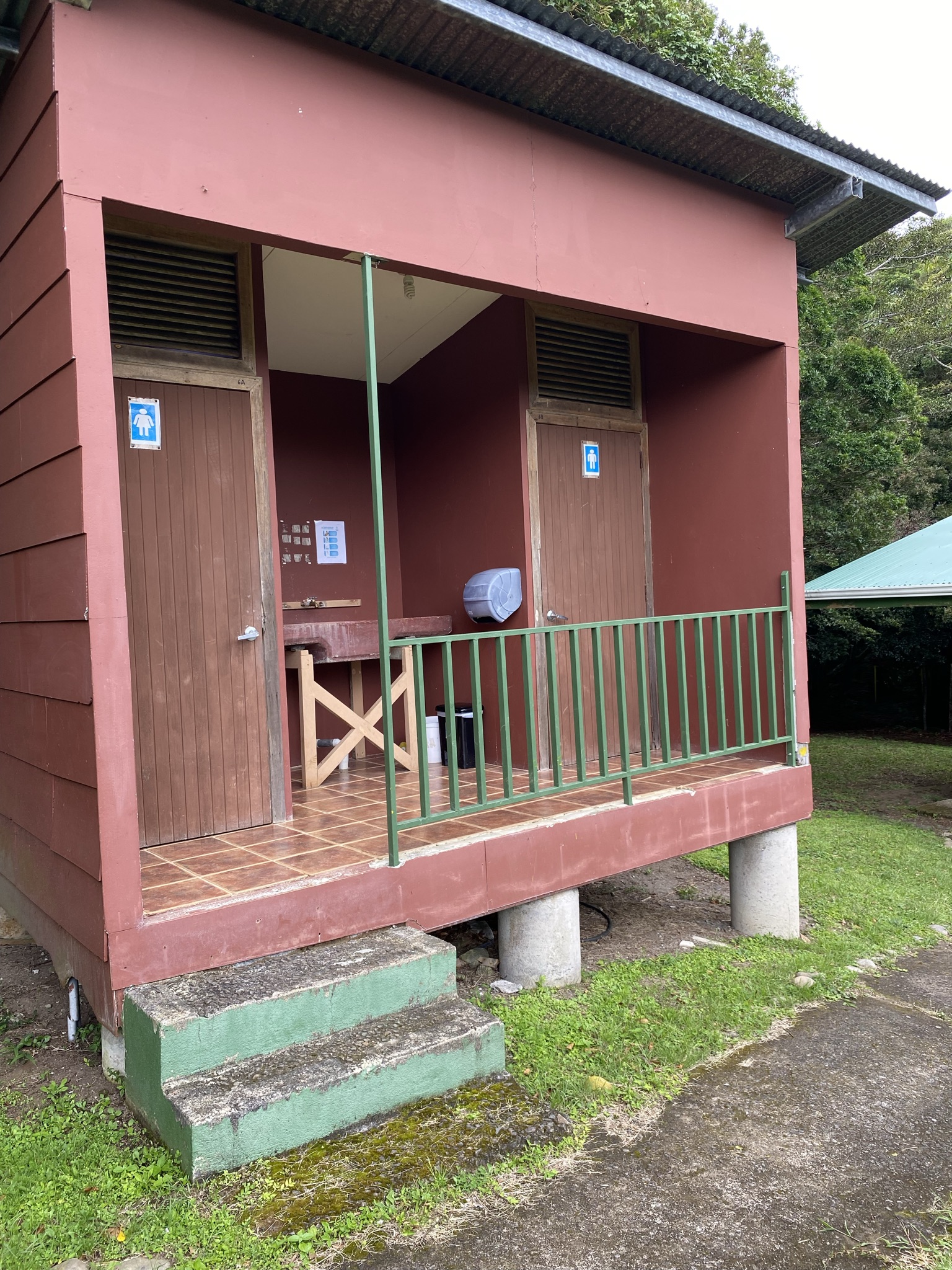
Our rental home is a 15 min walk to the Monteverde Friends School and Meeting House. This is where the boys go to school, where community frisbee happens on Saturdays and where there is a little public library. It is a beautiful place with outdoor sinks, big classrooms, a composting toilet, and a gorgeous new Meeting House with huge windows. This is also where I work, although my classes are being held at another school because of covid and distancing rules. 7th-12th grade classes are happening at the Cloud Forest School. It is a huge campus with extra space for our students so we are utilizing some of the empty classrooms at the back of the campus. It is at an even higher elevation so the walk up to the school is quite strenuous. It takes me an hour to walk there. The views are incredible though. You can see the Gulf of Nicoya from the classrooms and there are many trails, a soccer field, a treehouse, and outdoor places to gather. School starts on Wednesday and parents, kids and teachers are equally excited. 

The culture here is definitely slower but because we are new and because we don’t speak Spanish well yet we still get stressed sometimes. Buying phone cards, telling a taxi driver where to go, and shopping trips are exhausting experiences. For example, I’m on the hunt for ice cube trays. I have no idea where to find them and most people have told me they are easier to get out of town. Santa Elena, the commercial center of the area, has a good set of shops for groceries and home goods, but things are expensive and not available in large quantities. Many people take weekend trips to a bigger city to get good deals and buy things that they can’t find here. Since we don’t have a car that is more challenging for us. The grocery store is a 35-60 min walk depending on what we are carrying, if we are with kids or not, and if we run into people to chat with. We do have a closer small shop that has basic groceries. It is not cheap and is called “Whole Foods” (sound familiar?). It reminds me of a fancy campground store. Think matches and marshmallows, but also jars of Italian pesto and tempeh. There’s a farmers market on Fridays and we have managed to make it the last few weeks to buy produce, fresh bread, and cheese. There are plenty of restaurants in the area. Costa Rican restaurants are called “sodas” and you can get great platters of rice, beans, meats and veggies. Since Monteverde is full of tourists from all over the world and has a sizable population of people who are not ethnically Costa Rican, you can also find fancy hotel restaurants, pizza shops, Tex-Mex, Middle Eastern, and more. We tried using the Monteverde en Casa app the other night when it was raining hard and ordered chicken tacos and burgers from town. They were delivered on a moped to our house in the woods in 50 minutes! 

One thing I have thought about the most is how nice and welcoming everyone has been. It is not just the Ticos (Costa Ricans), but also the international families that live here too. They have welcomed us by having us over for meals, watched our kids for free, introduced us to more friends and resources, and answered hundreds of WhatsApp messages of our questions about the most basic things. I then think about the U.S. and how we treat newcomers- refugees, immigrants, new kids at school, new families in the neighborhood. Do we invite them to the family BBQ? Do we send them messages about where to find the best deals on produce or about the new dance classes for kids? Do we give them rides in the rain? In individualist America I think we can do better at welcoming newcomers, especially newcomers who do not speak English as their primary language or look and believe differently than us. 

Other amazing things about our initial weeks in Costa Rica:

  • My job is awesome. We have a really great staff that has a wide range of experiences. We have teachers who were born and raised in this community, newcomers like me from the U.S. and from other parts of Costa Rica, teachers from other parts of Latin America, and teachers of all ages. We have teachers who only speak Spanish and teachers who only speak English (me!). Meetings are conducted in both languages and no one has ever complained when they had to translate for just me. I often feel like I am a liability on the team, that group member who isn’t pulling their weight, but I’m hoping with time I will understand more Spanish and school culture so that I can contribute more. 
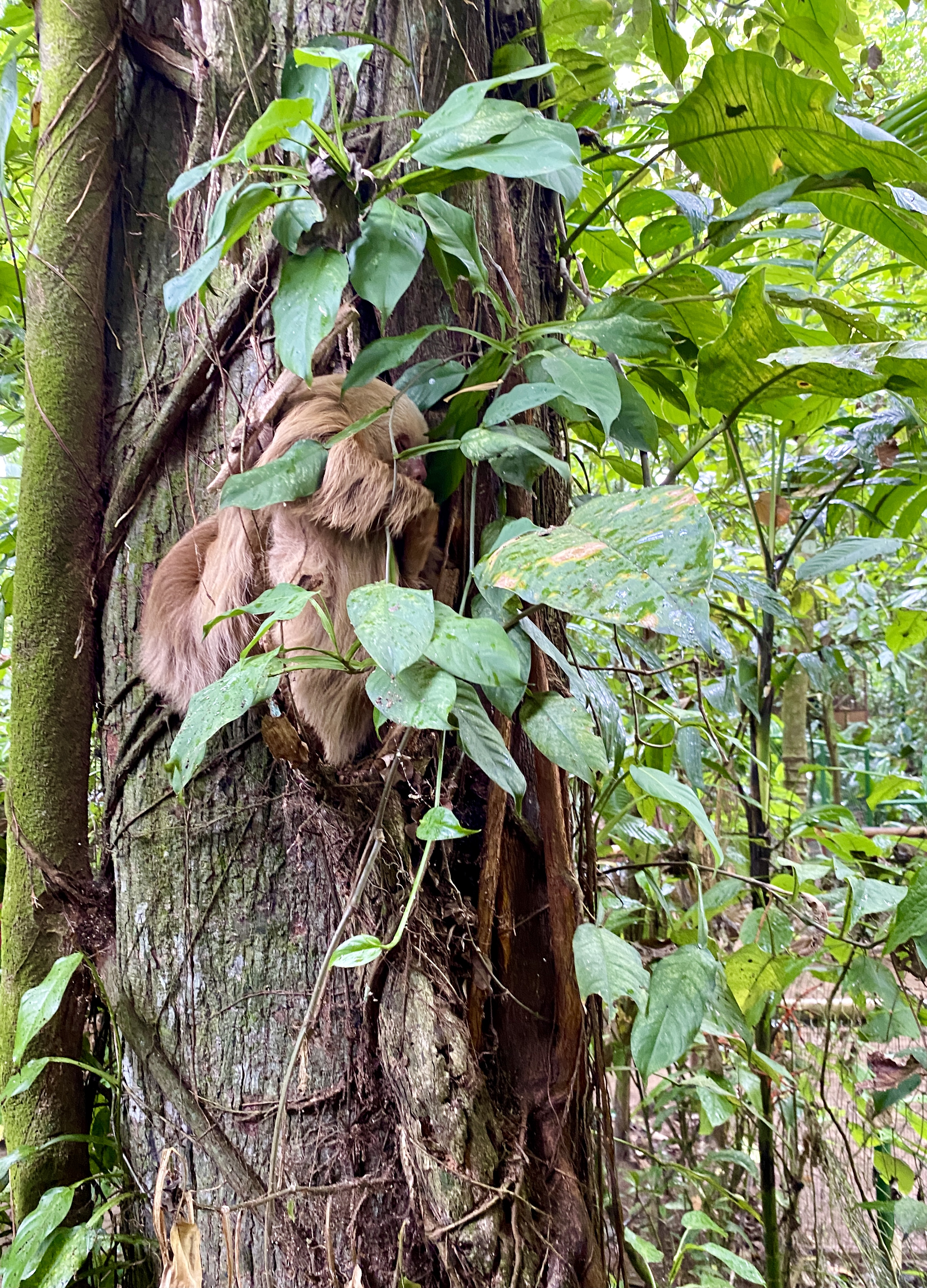
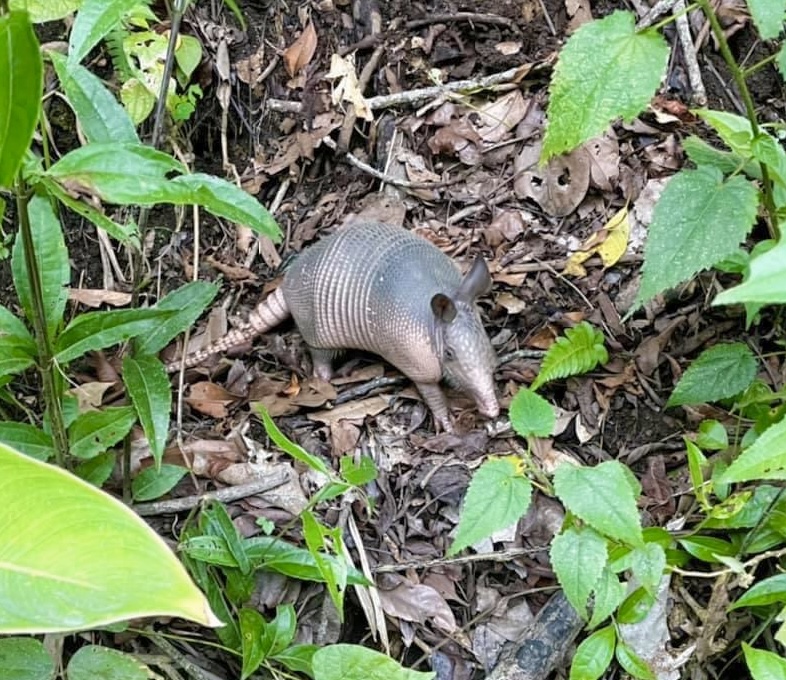
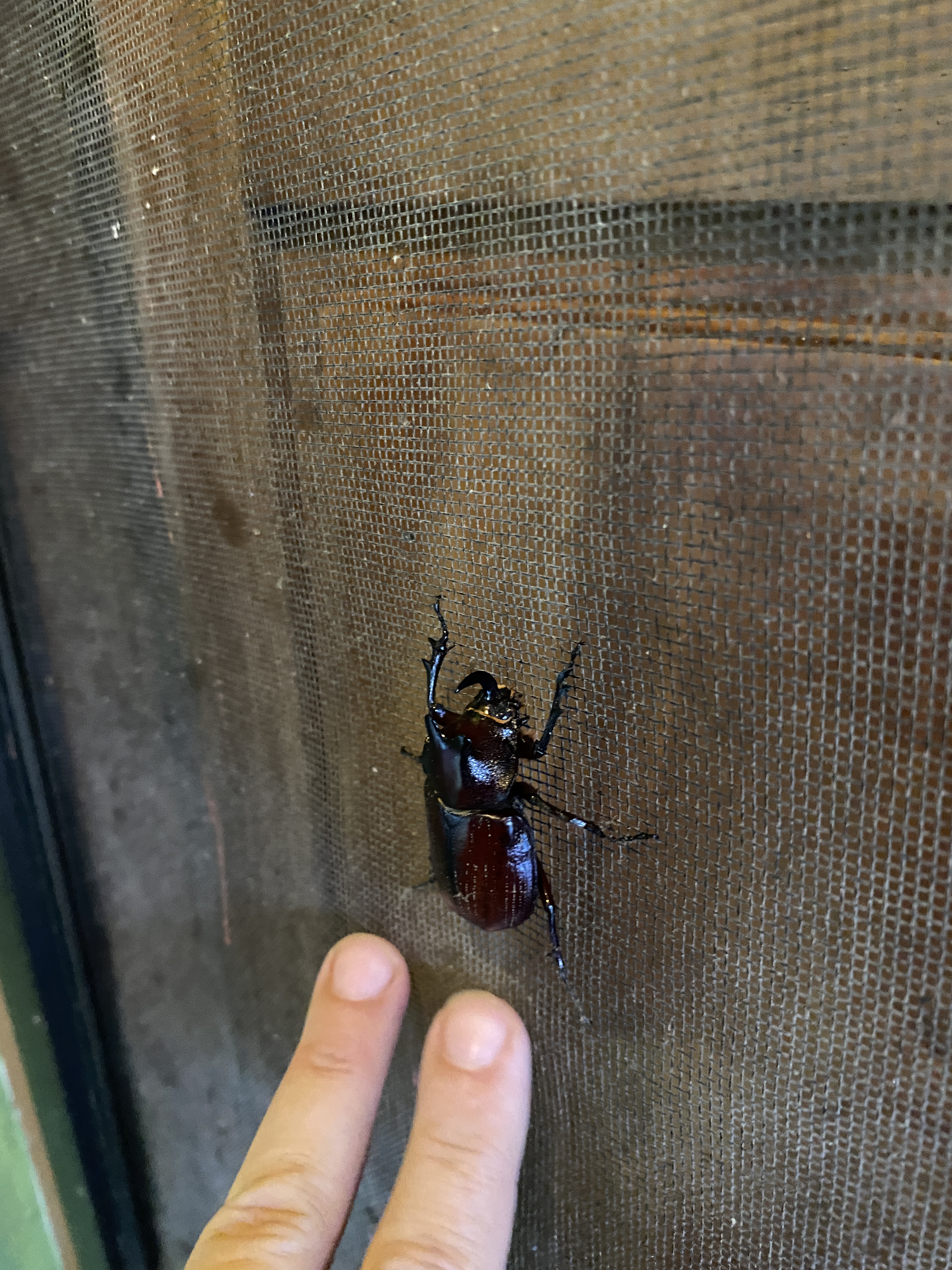
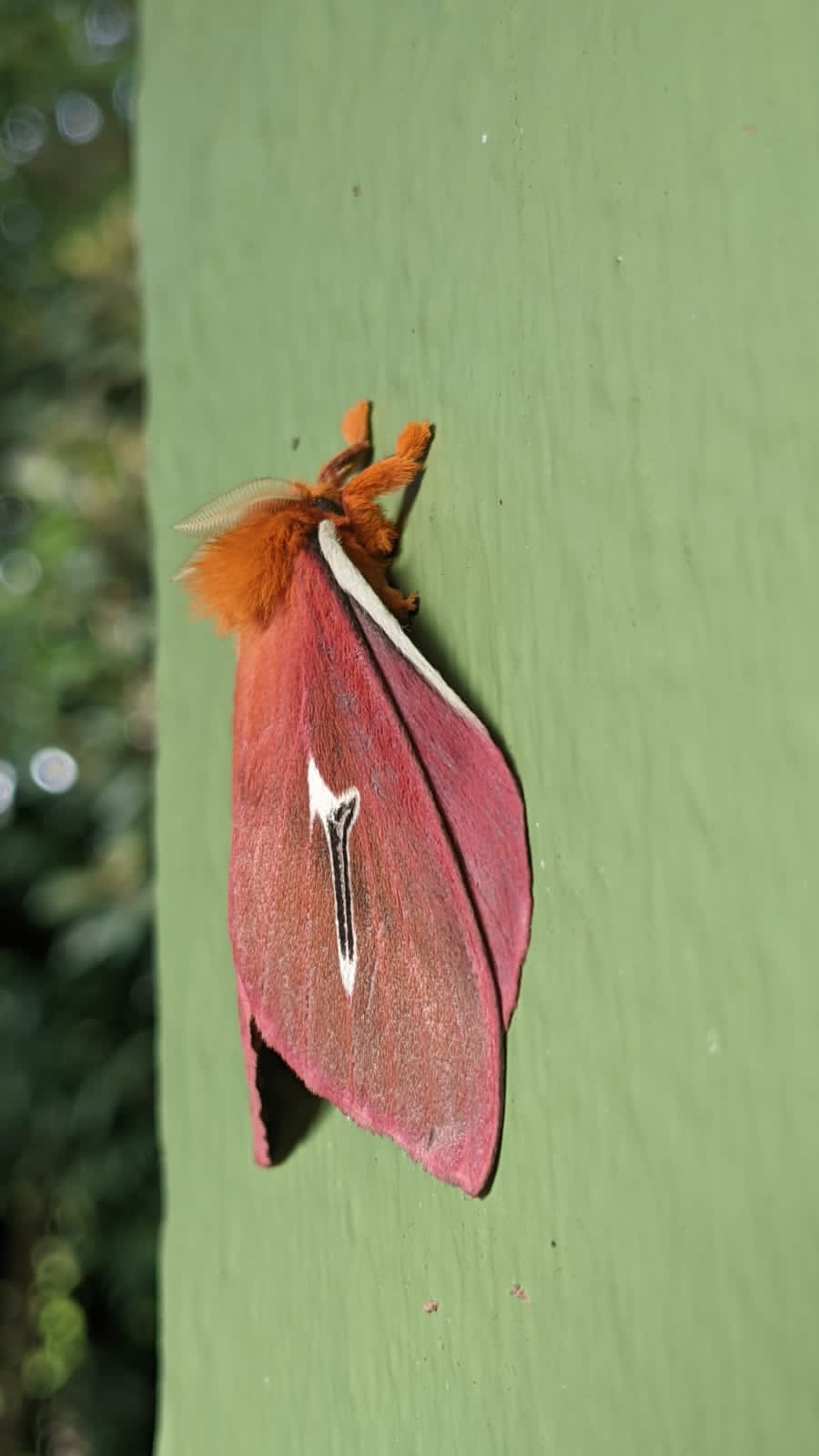
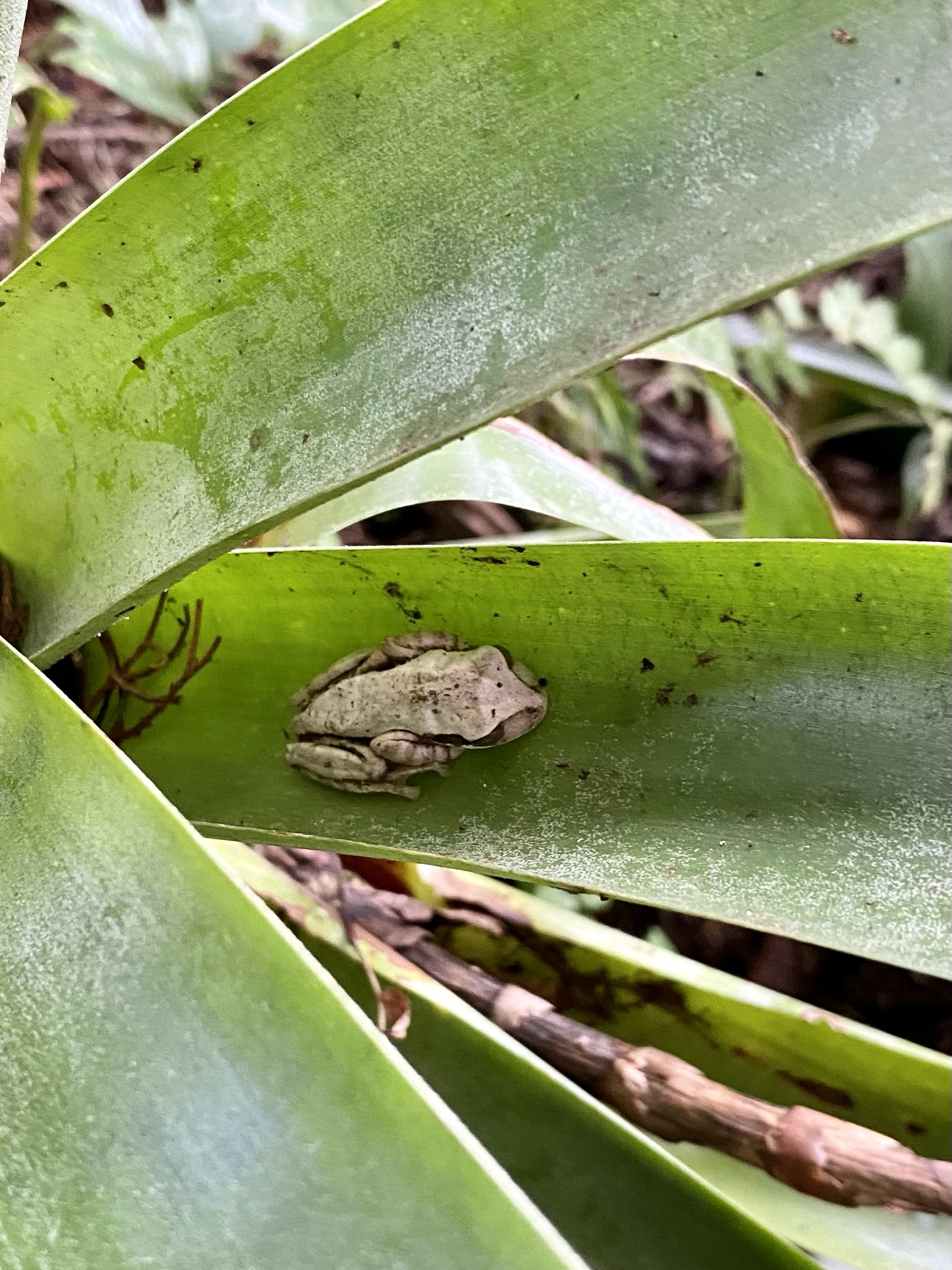
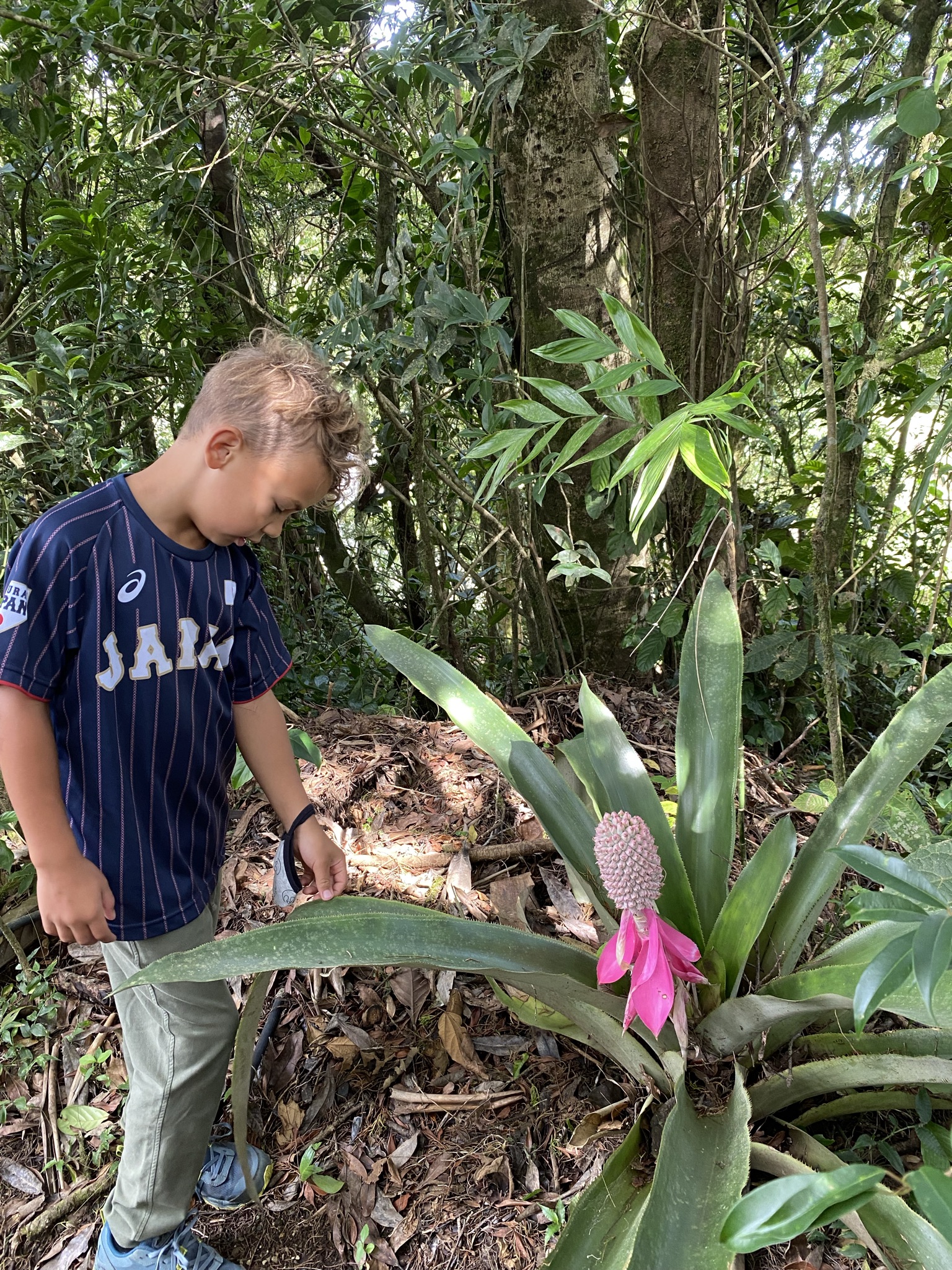
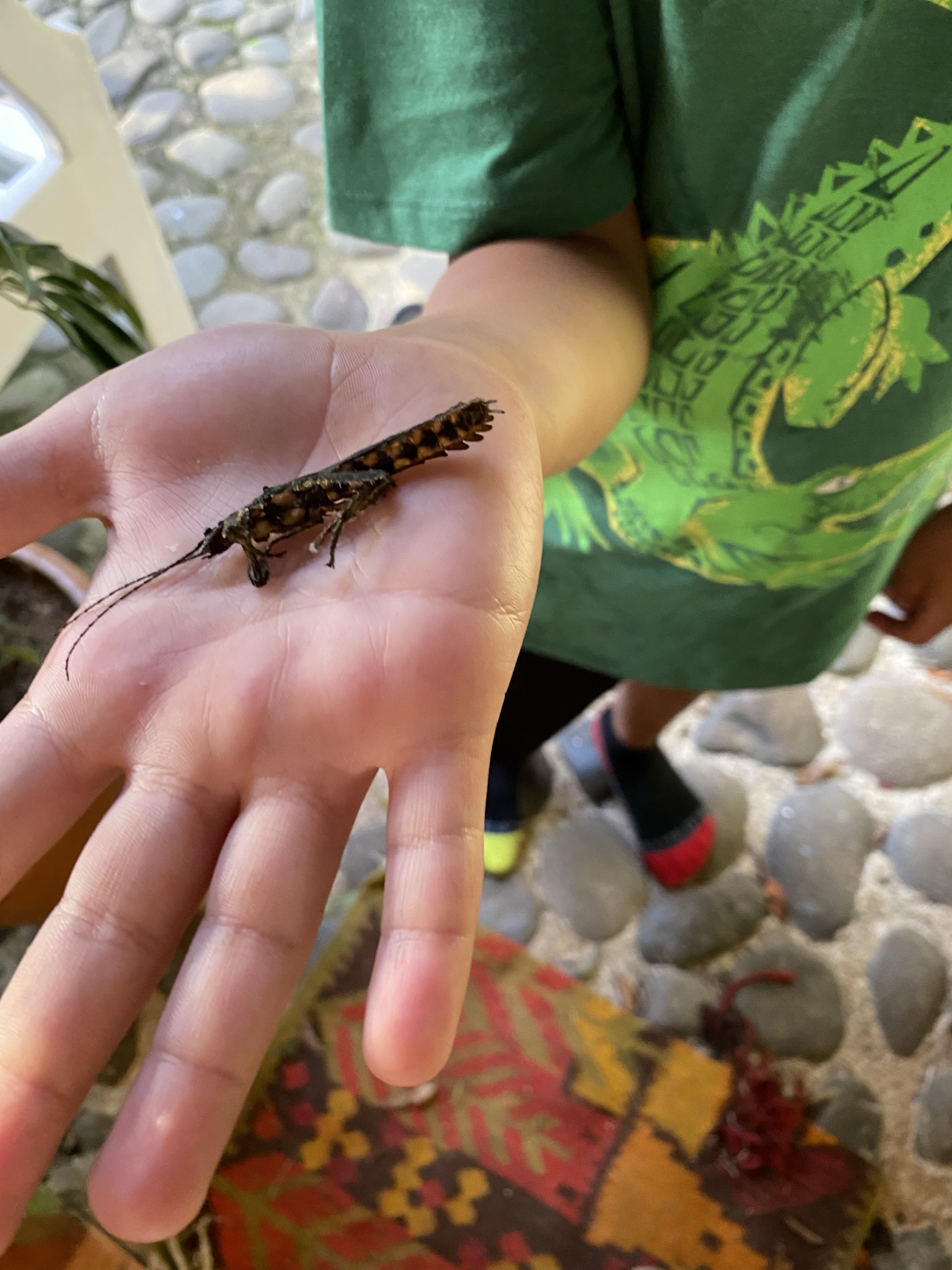
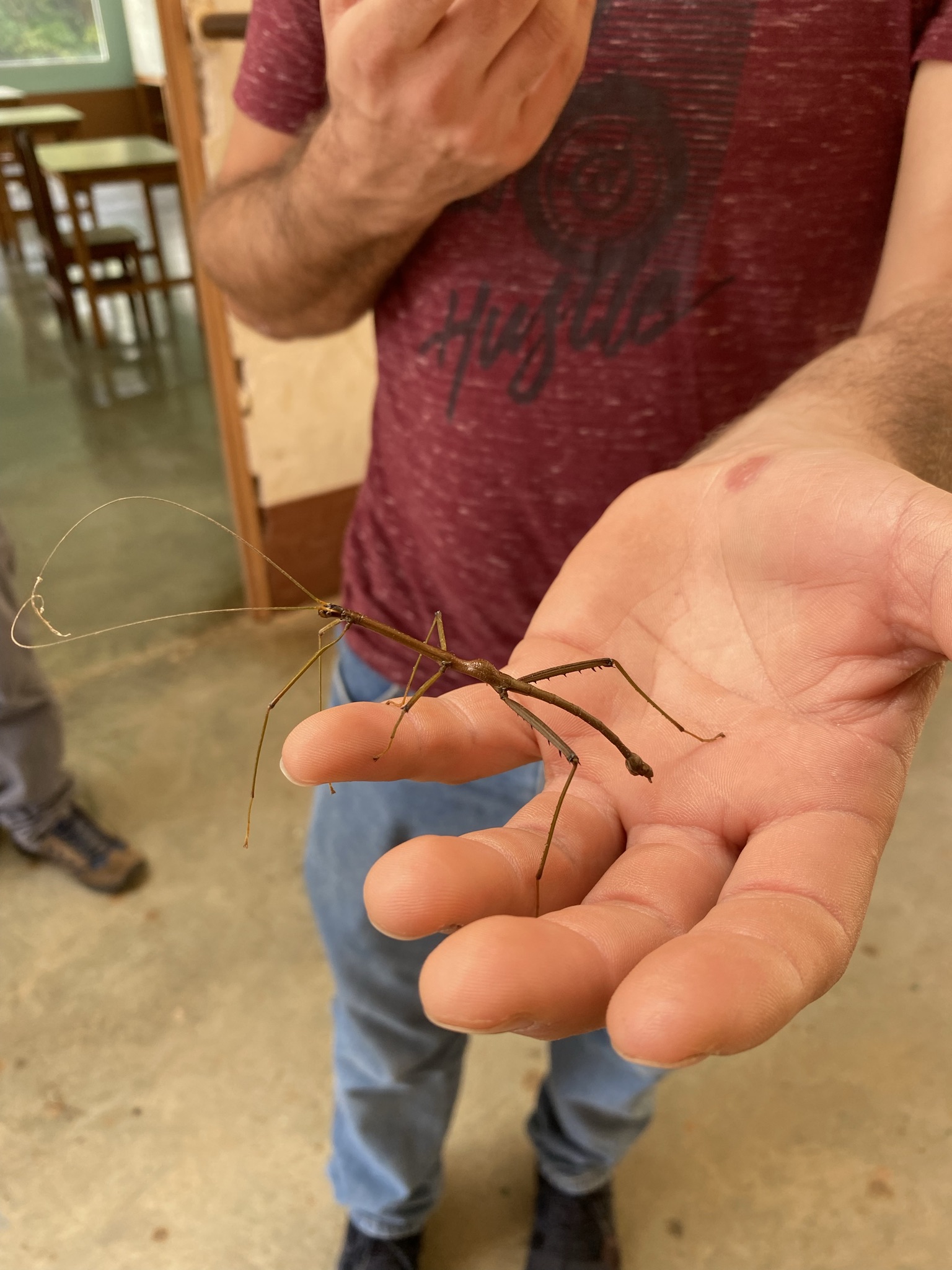
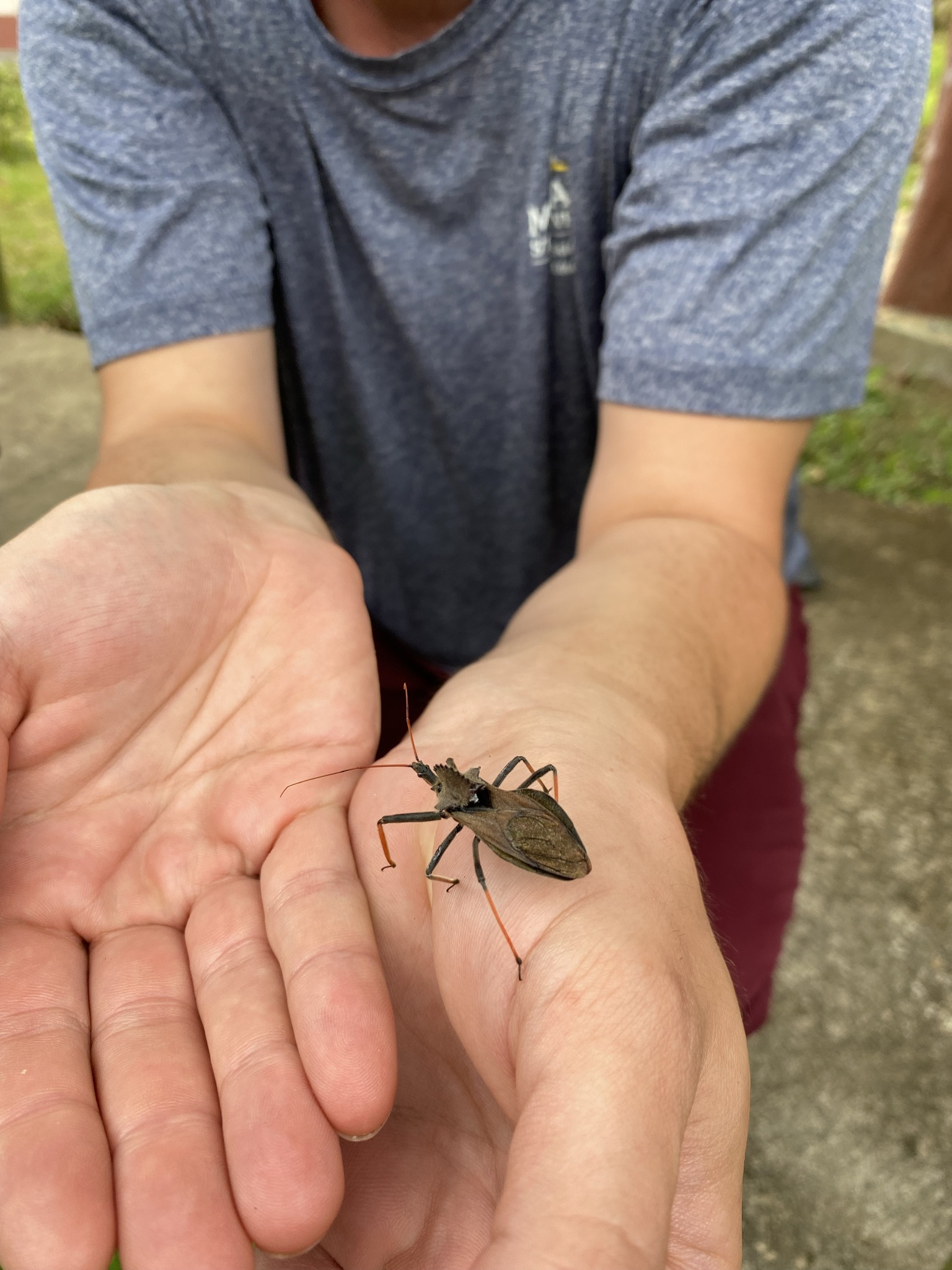
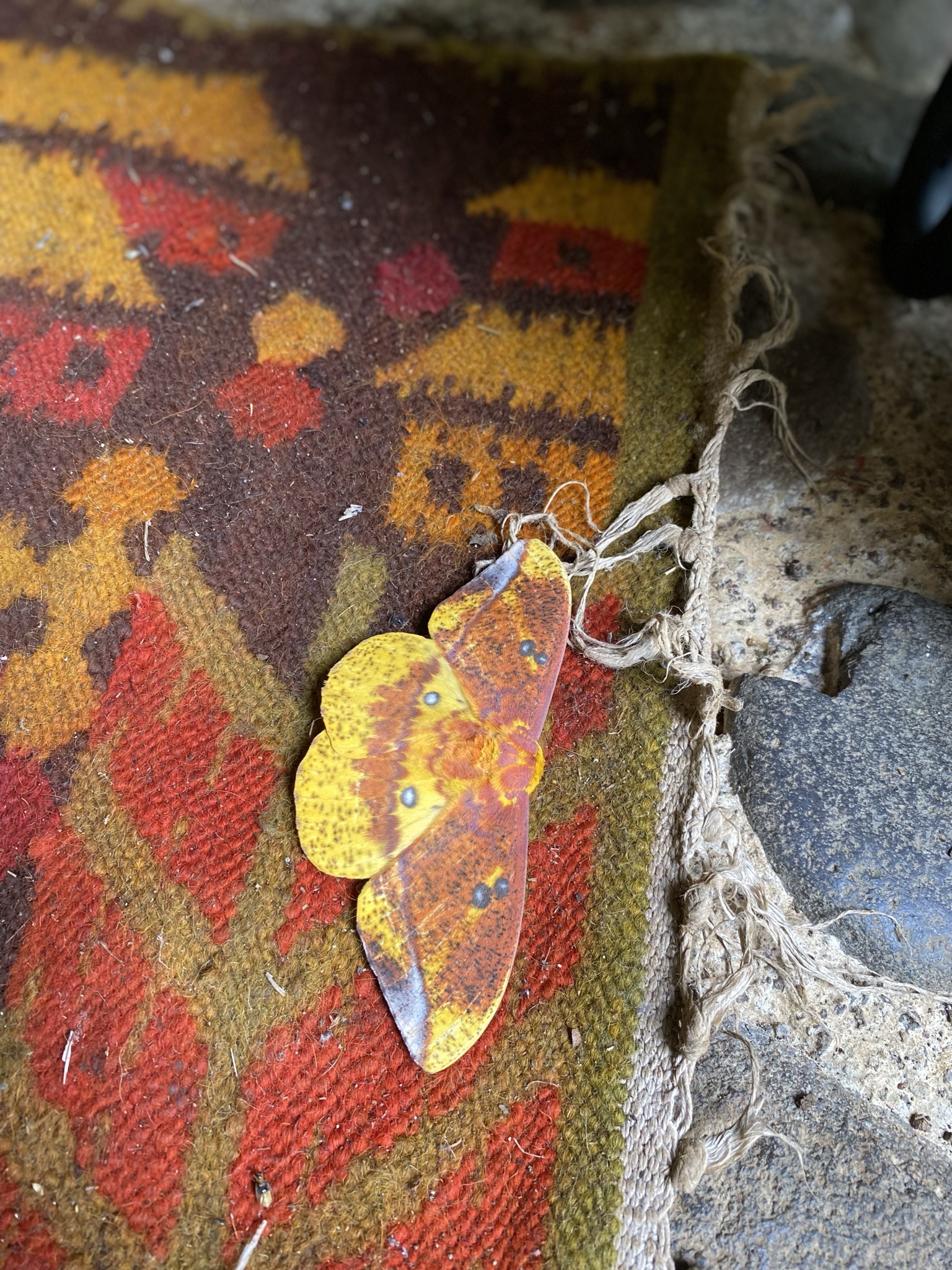
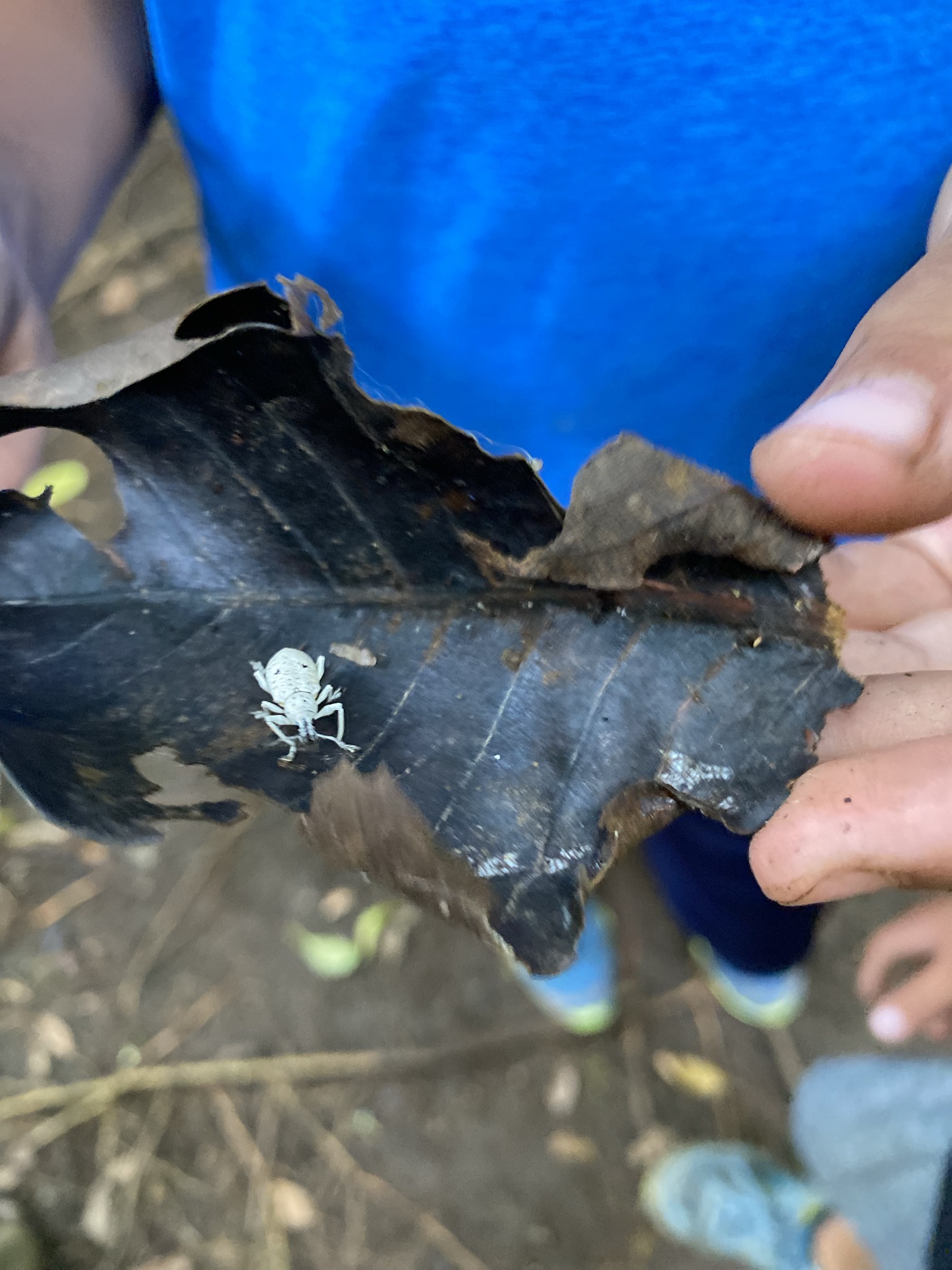
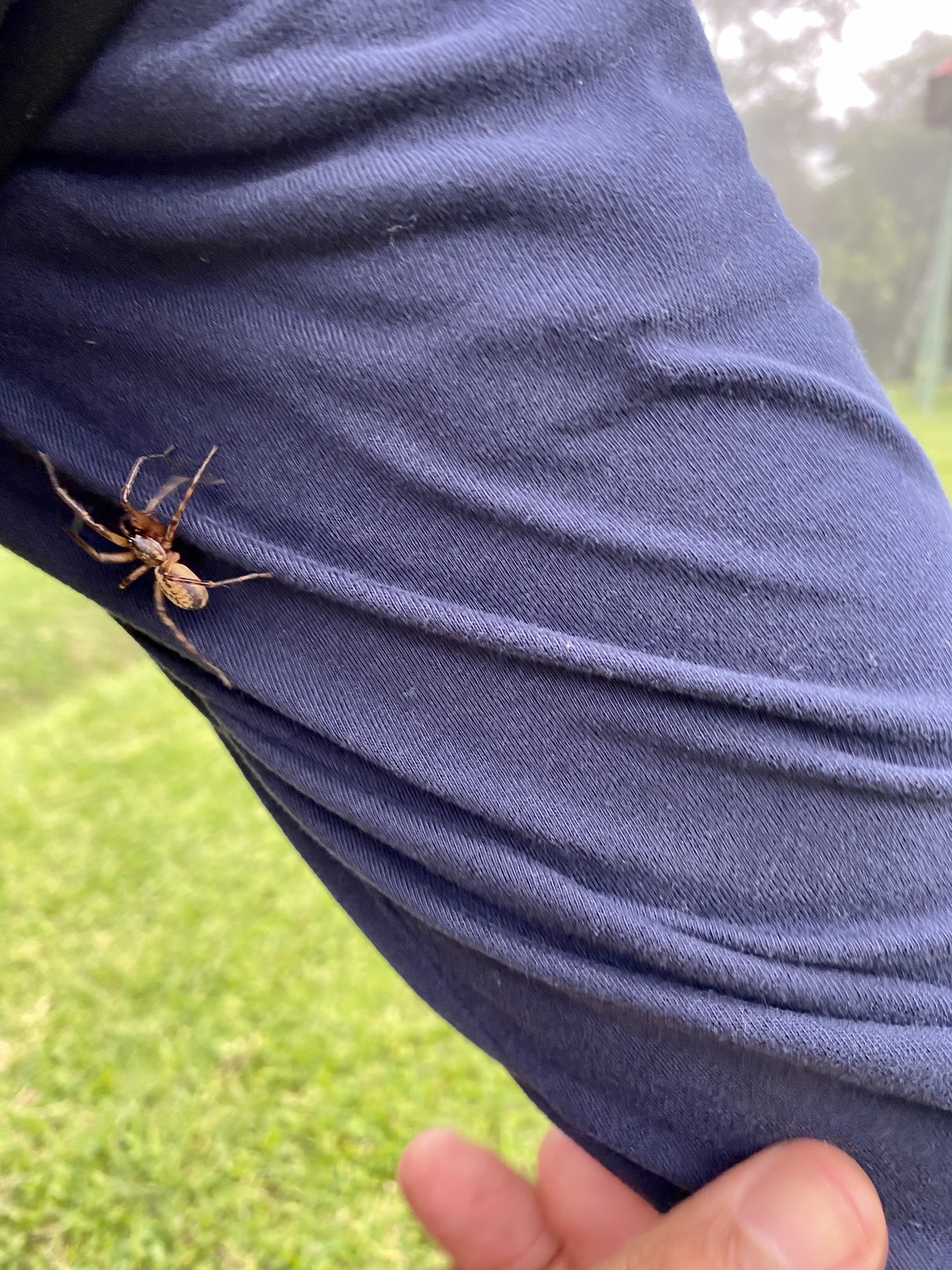
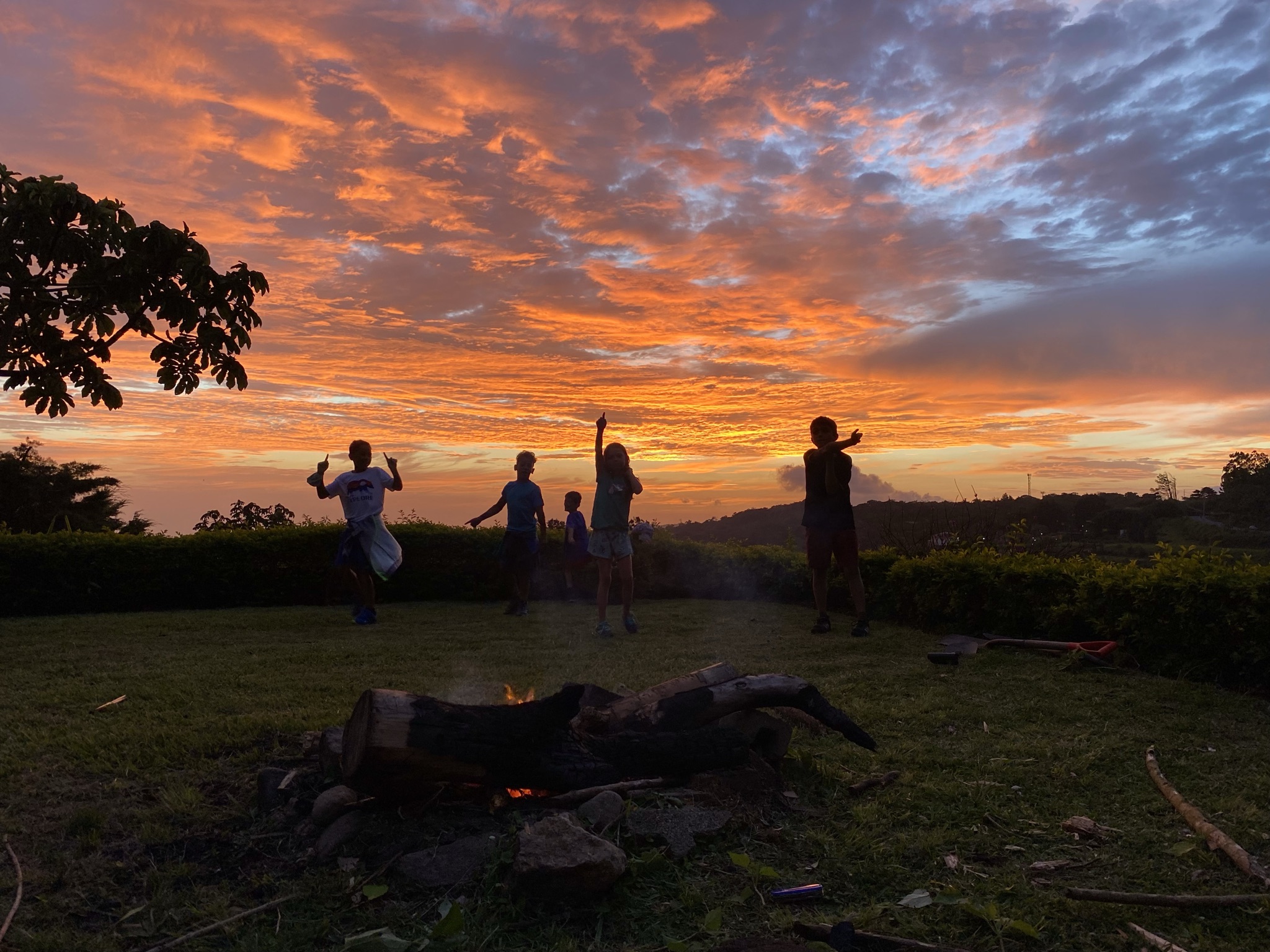
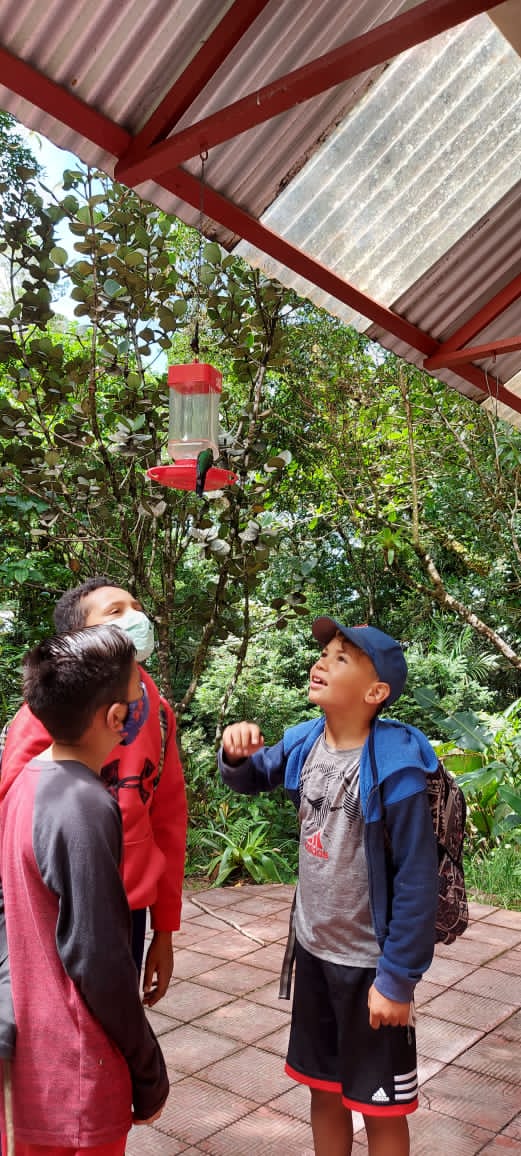
  • Our experience in nature has been amazing. We share space with so many animals, birds and bugs and the sunsets and forest walks are so beautiful. We haven’t even seen the bulk of the species that live here, but each day we find another incredible creature. One afternoon we spent 10 minutes watching a mother bird feed her babies and find shelter from the rain. These past two weeks the kids have been hanging out with a babysitter, an amazing educator from Costa Rica who lived in Philly and also has two boys. They have seen more of Monteverde than me and have hiked miles and miles. Each day she has taken them to incredible places- nature reserves, family farms, playgrounds, a hummingbird gallery, and the homes of local families. They have tried new foods and learned songs in Spanish. 
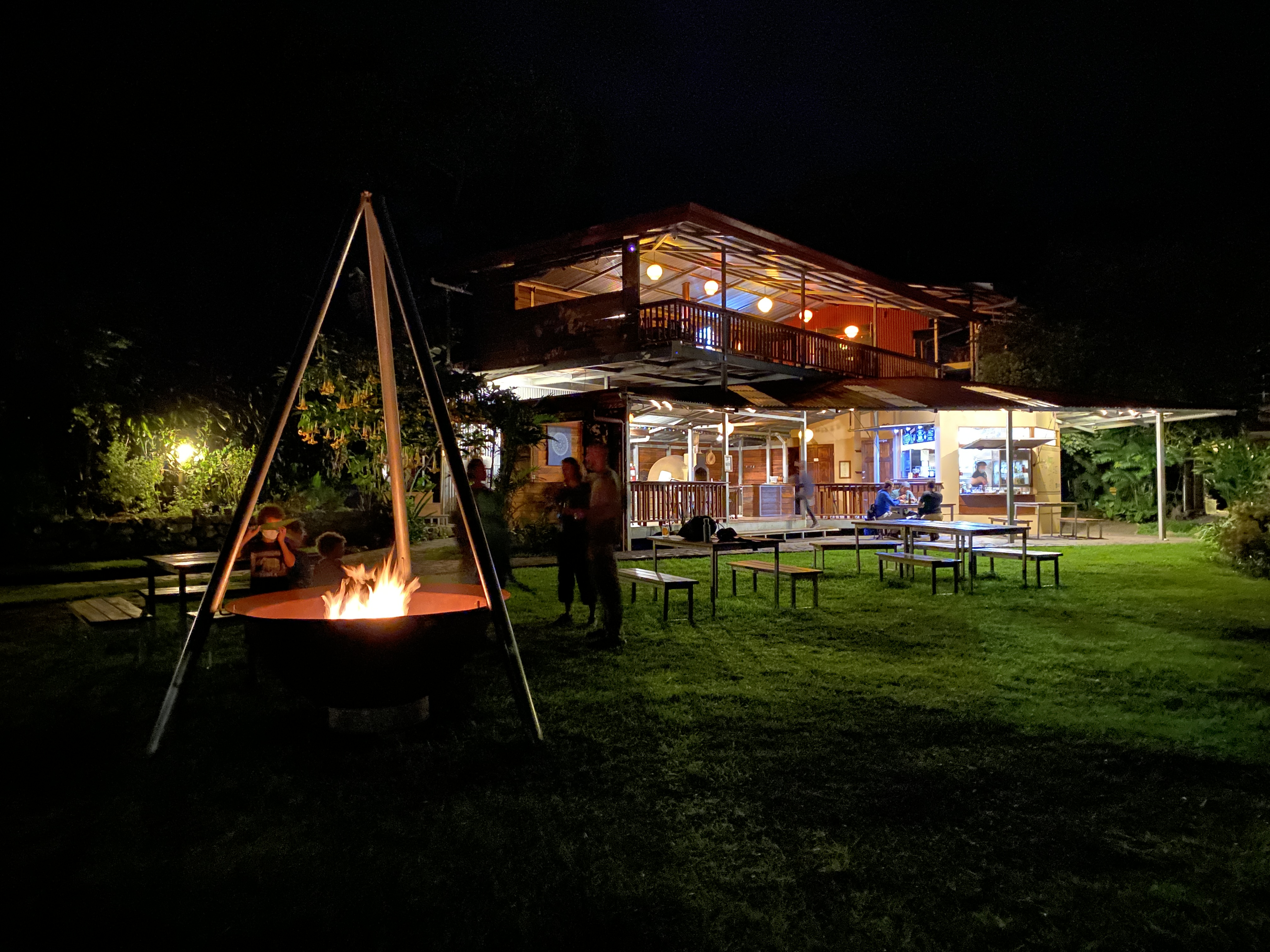
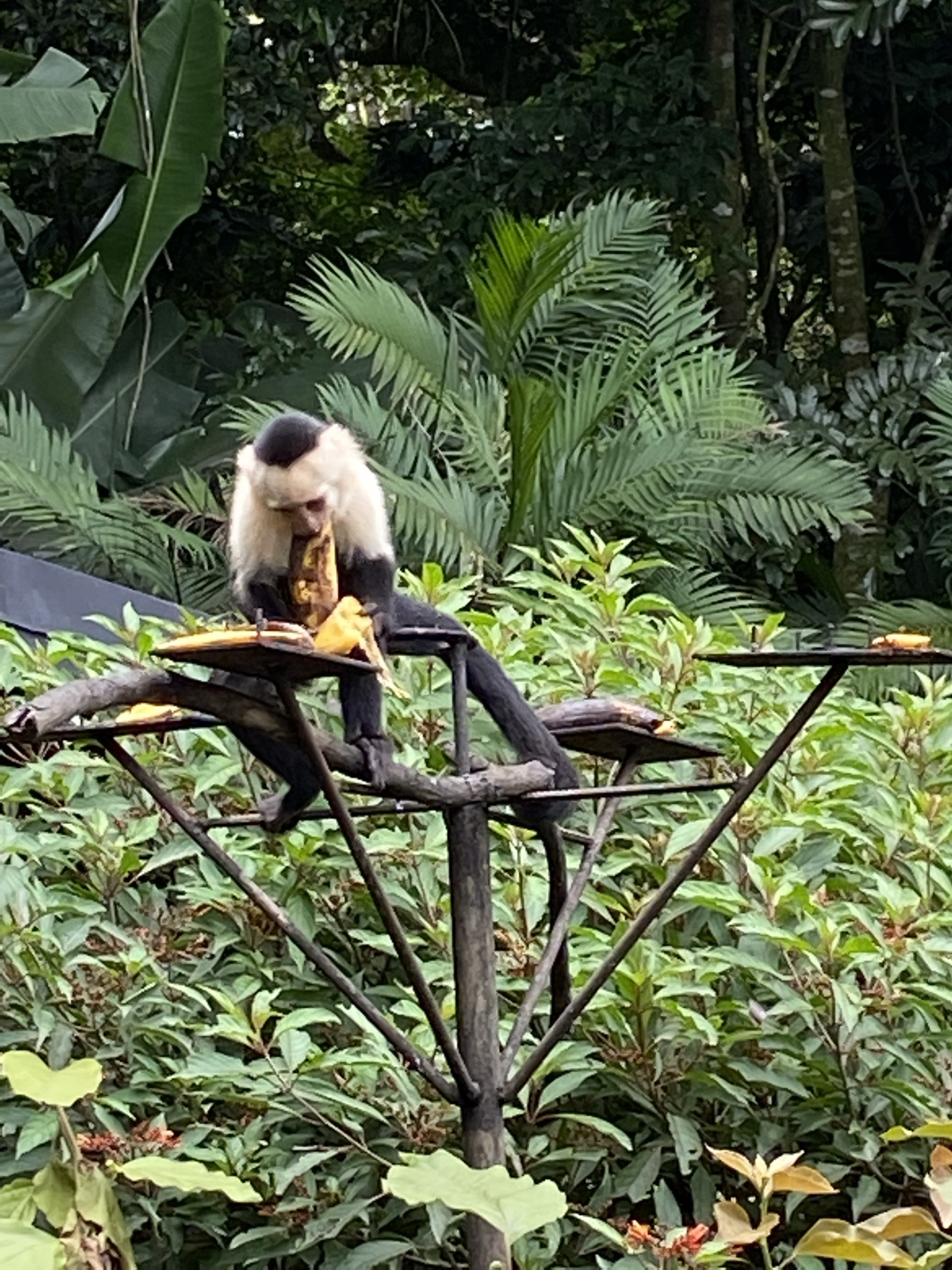
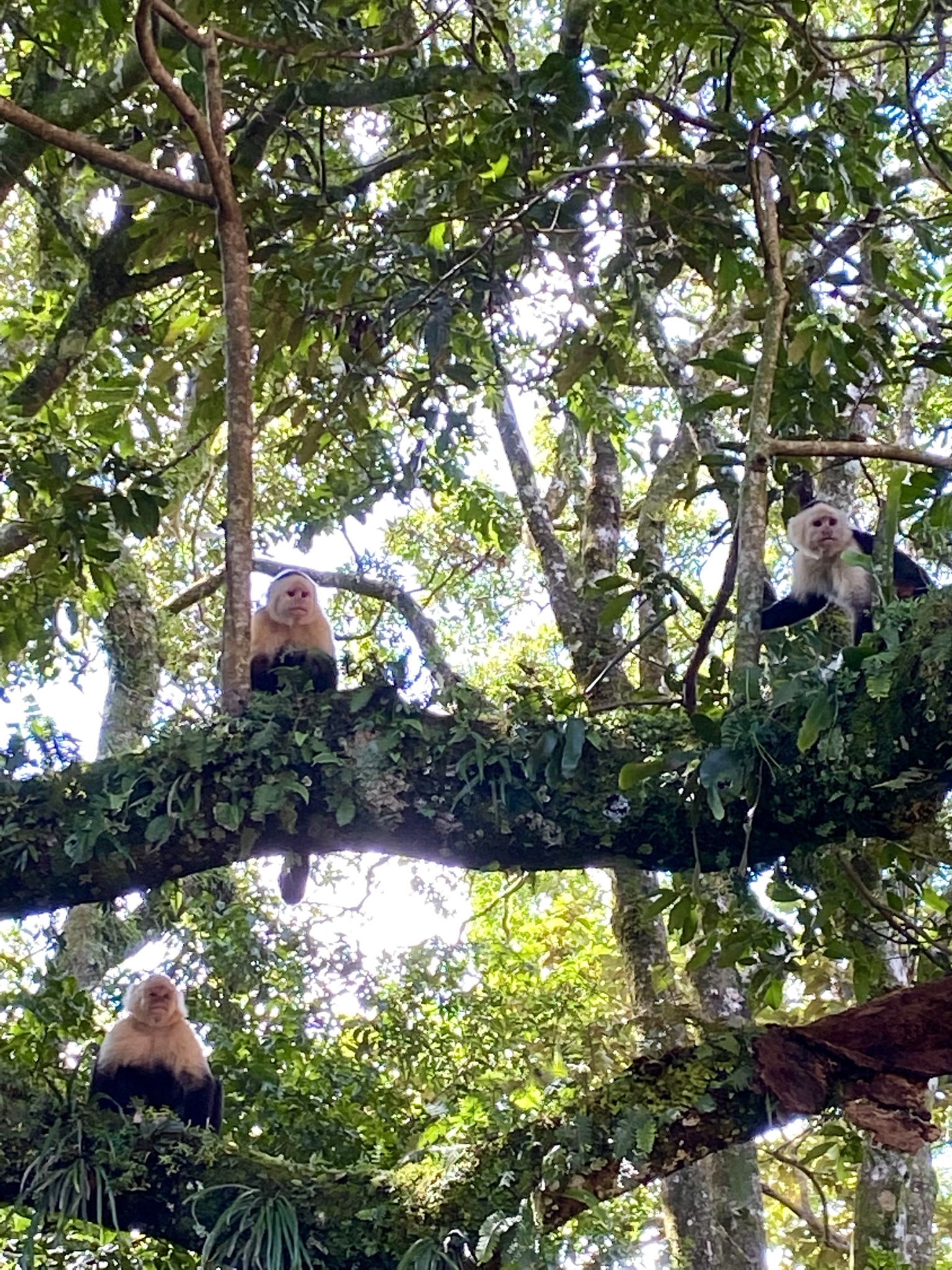
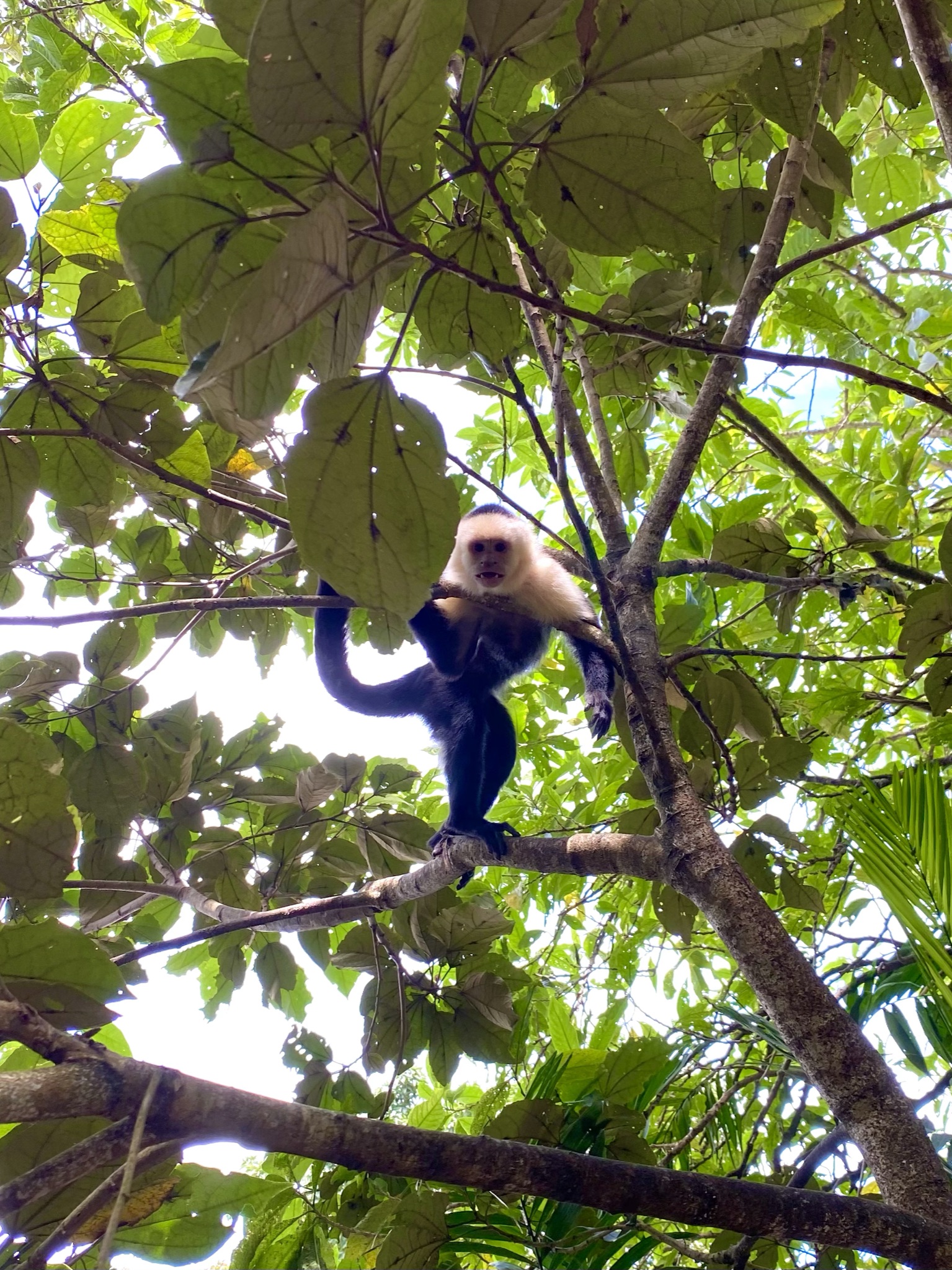
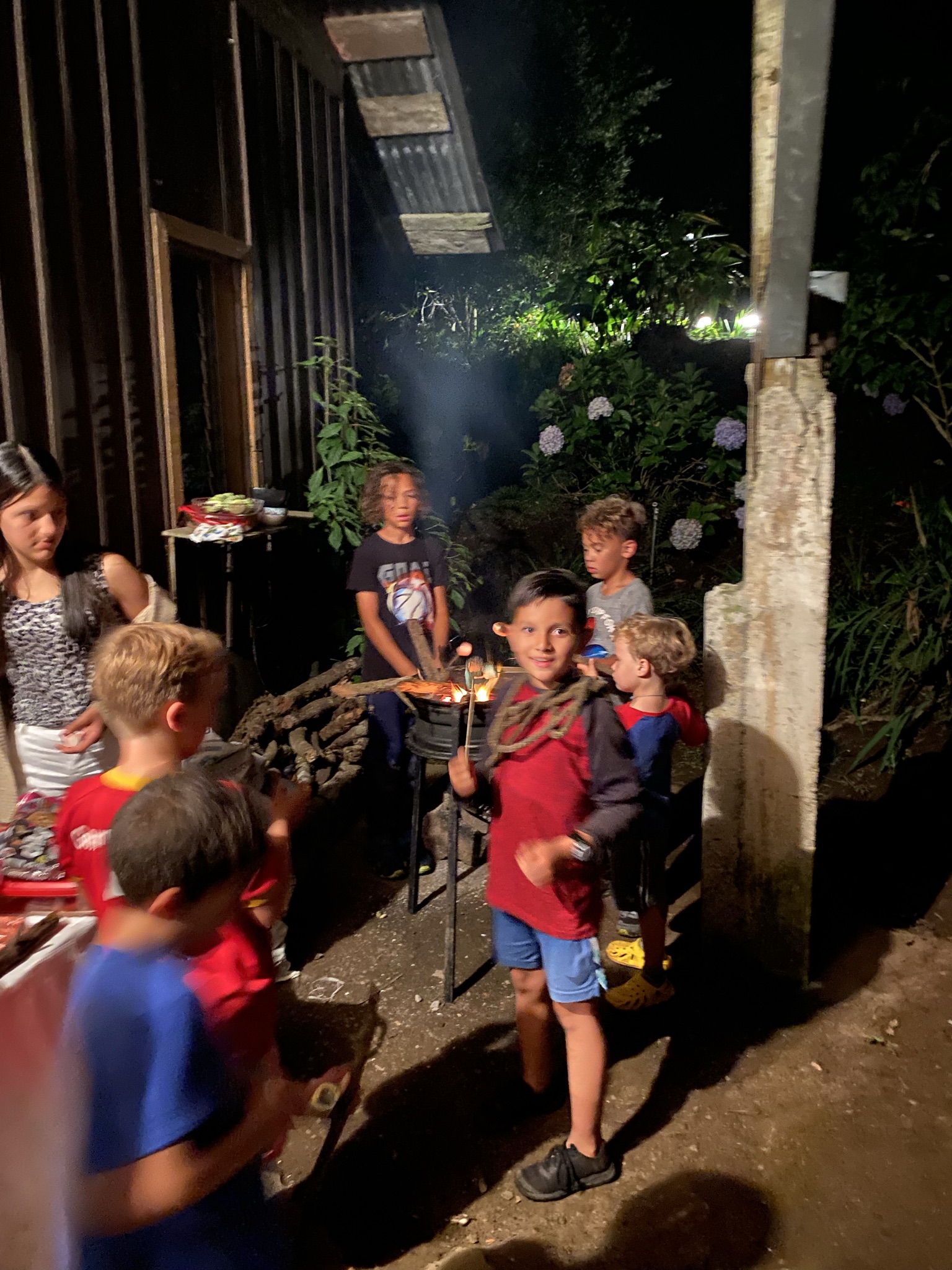
  • One of the best things about the transition here has been the kids and chill parents. There are lots of kids and Samson and Desmond have warmly been welcomed into play. It is so nice to walk to the center area of the community and informally meet up with other families and chat over a cup of coffee while the children run free- playing pick up soccer or climbing trees with the monkeys behind the coffee shop. On Friday we had a staff cookout. It was a potluck at sunset and it was so nice to see everyone outside of work and to break bread together. The kids ran all over the yard as nightfall came. We walked home with flashlights and headlamps, full and happy. 
  • It gets dark early here and 8:00pm is called the Monteverde Midnight. Everyone heads home to rest and wakes up early to start the day. We have a neighbor rooster so we are always up between 5:00-6:00am no matter what. It is drier during the mornings right now so many people take advantage before the rainy afternoons come. The rain is no joke and I’m bracing myself for the rainy season which is well on its way. We don’t leave home without our rain jackets and have soaked them through more than once already. At school it can get really loud on the tin roofs so teachers have to scream through their masks to be heard. 
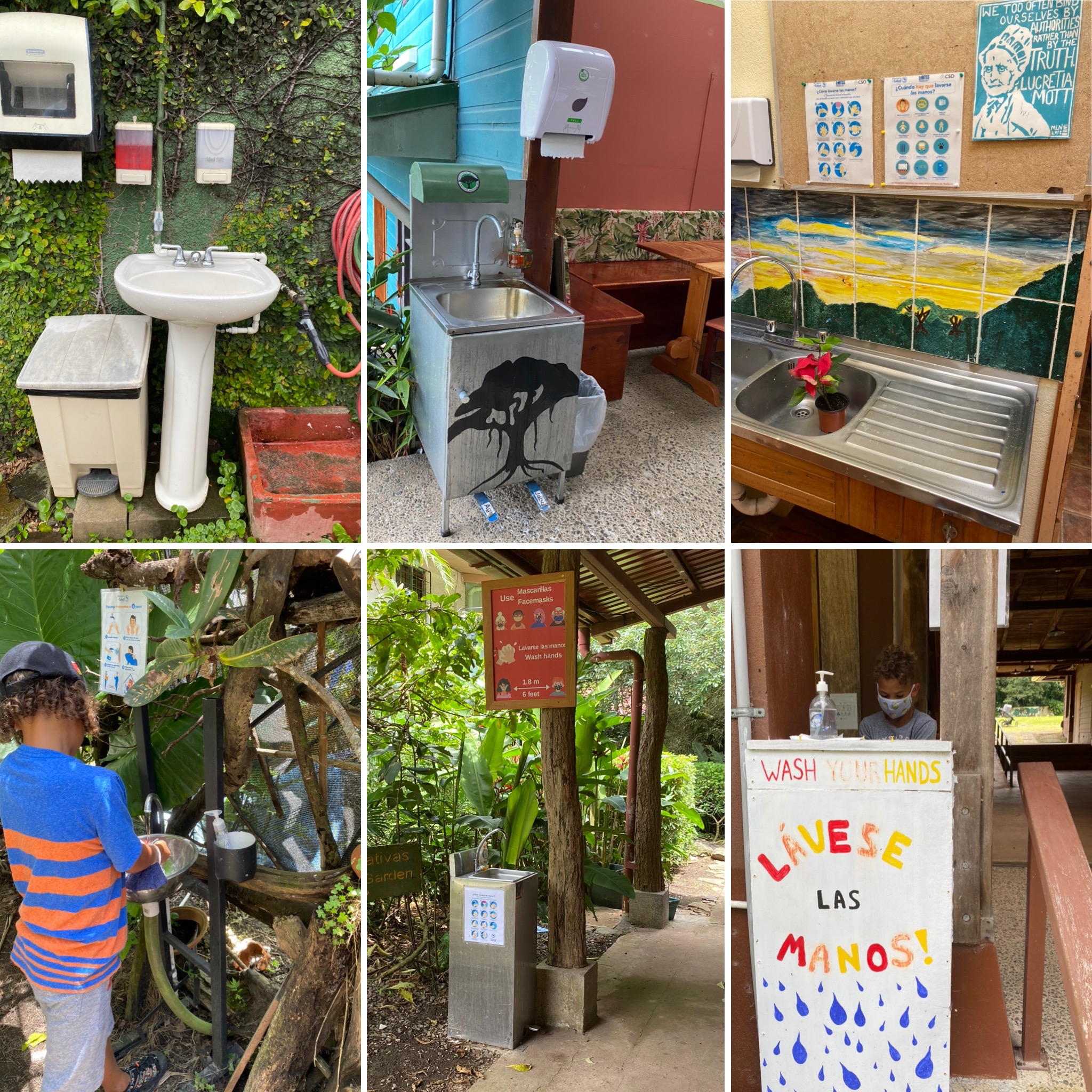
  • Costa Rica is taking COVID seriously. In Monteverde the clinics are now vaccinating people ages 12 and up. Everyone wears a mask indoors and there are hand washing stations outside all the businesses and schools. Staff will instruct you to wash your hands before you shop or are served at a restaurant. Hotels and schools take the temperature of visitors. The only time people are not wearing masks is when they are outside, in small groups of close family & friends or eating. So far we haven’t met any locals who are pushing back on mask wearing or hand washing. The community seems compliant and worried about keeping COVID out of the community since tourism is the main economy. 

Hasta la proxima vez…Until next time! 

This poem was shared today in the group text for teachers, wishing us a happy Mother’s Day. It is so #BeLikeBarb!

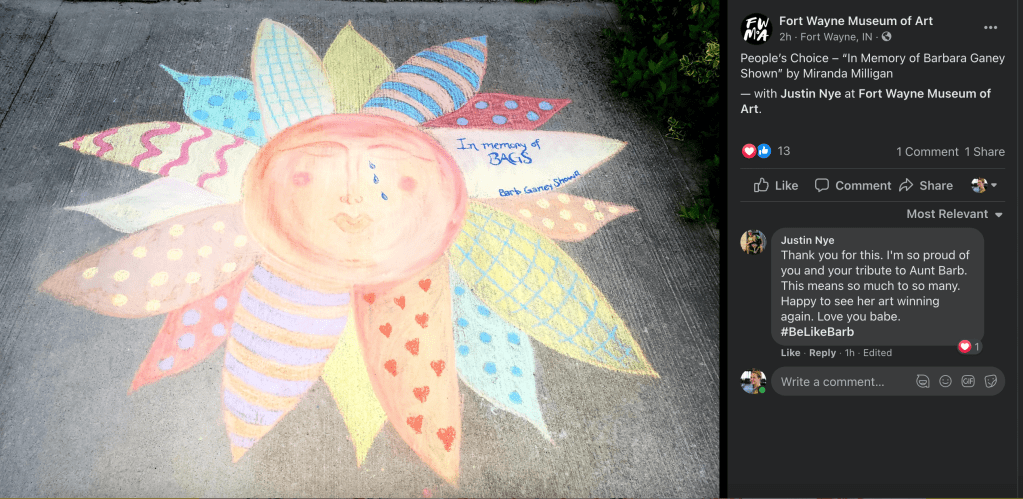
People’s Choice Award – “In Memory of Barbara Ganey Shown” by Miranda Milligan

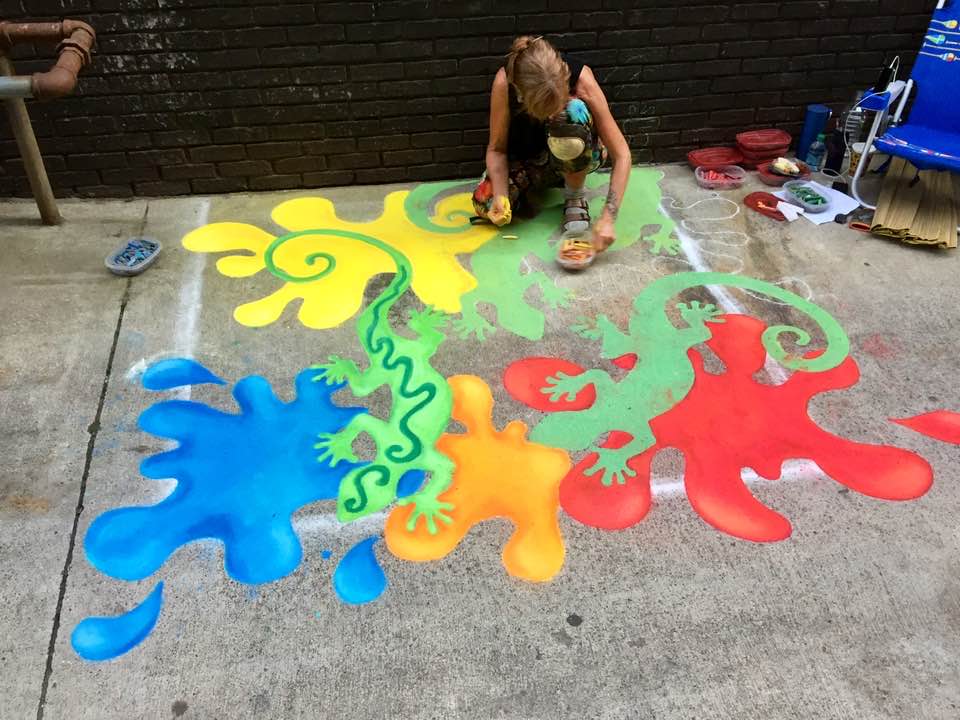
The Chalk Walk is an annual art exhibit on the pavement in front of the Fort Wayne Art Museum. My mom was a frequent contributor over the years and her chalk art was very loved by her family, friends, and any visitor to the Three Rivers Festival. People loved coming by to watch her progress and she loved chatting it up with people she hadn’t seen in awhile- old co-workers, former students all grown up with their own kids, her sisters visiting from out of town, and strangers who like to talk about art. This year people could submit entries online of chalk art they made on their own sidewalks and driveways. My cousin Miranda and her daughters made their own chalk art entries. Miranda’s sun, a tribute to Barb, won the People’s Choice Award.

Go get some chalk and get on the pavement. Put some color into world. 🎨 #BeLikeBarb

Happy 65th Birthday Barb!

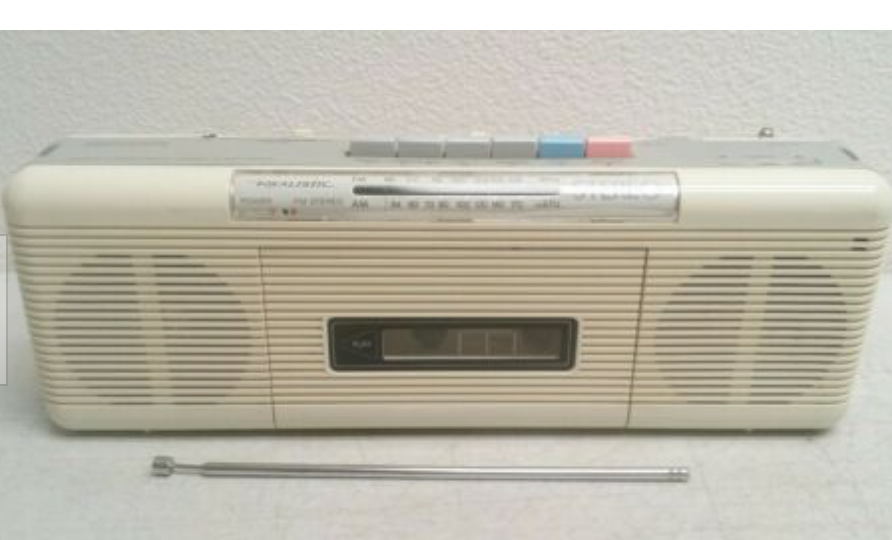
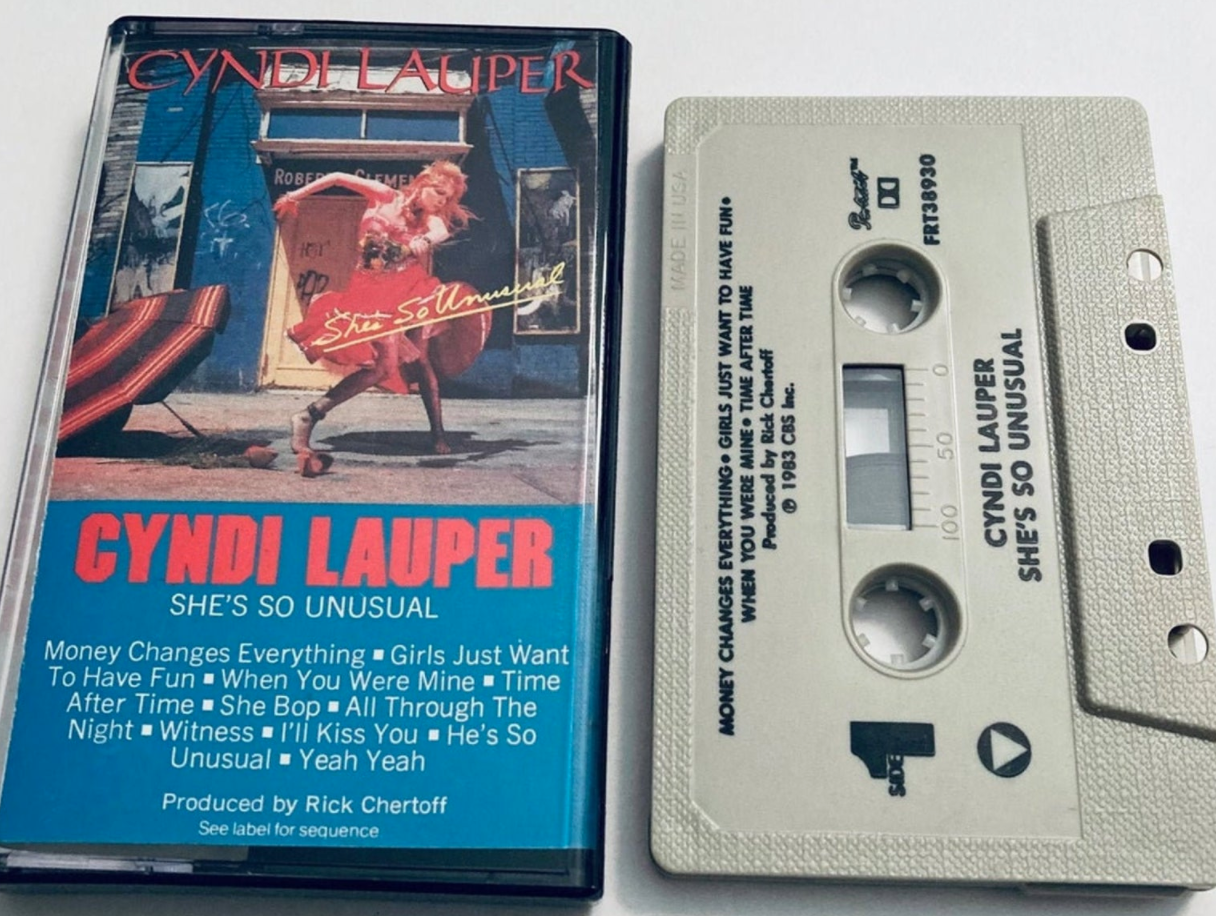
When we got in the car today, Girls Just Wanna Have Fun was playing on the radio. When I was in second grade she bought me the coolest 80s tape player there was and one single tape- Cyndi Lauper’s She’s So Unusual. I played that jam over and over. I don’t recall her ever telling me to stop or that it was annoying. She just let me go to town in my room dancing around like I was in an MTV video and pretending I was “so unusual.” I also have very sweet memories of my mom and all her sisters dancing together to Girls Just Wanna Have Fun at cousin weddings. My kids know I can’t sing the lines “I wanna be the one to walk in the sun” or “If you’re lost you can look and you will find me” without crying. I sing them anyway, loudly, in tears. 

And as if that song wasn’t enough, the song right after was Tom Petty’s American Girl. Another solid hit that makes me think of my mom. I listened to this song a lot when I first traveled abroad. “Well she was an American girl. Raised on promises. She couldn’t help thinkin’ that there was a little more to life. Somewhere else. After all, it was a great big world.” 

Do people make grief playlists? I feel like I need something like that. 

————

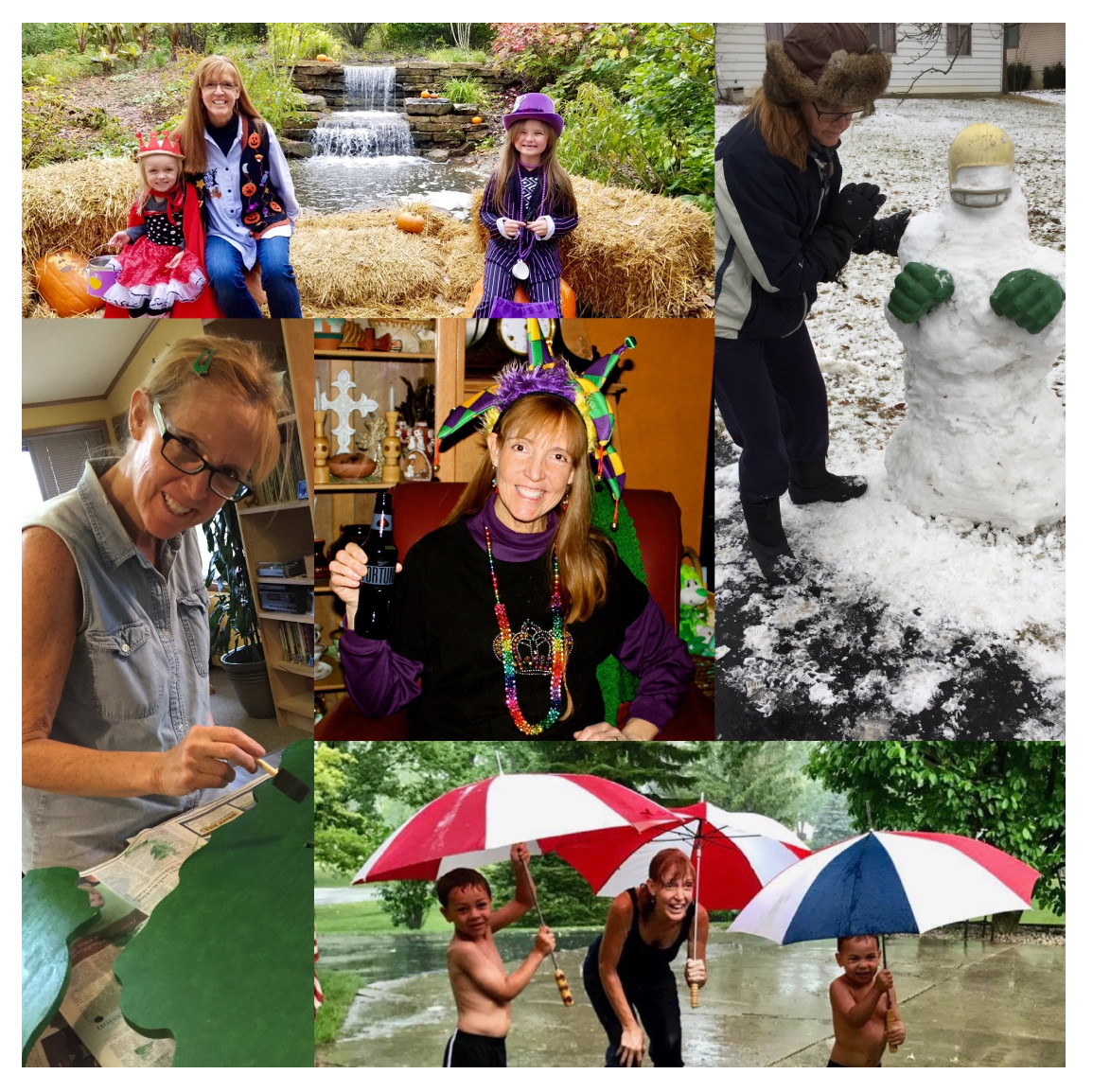
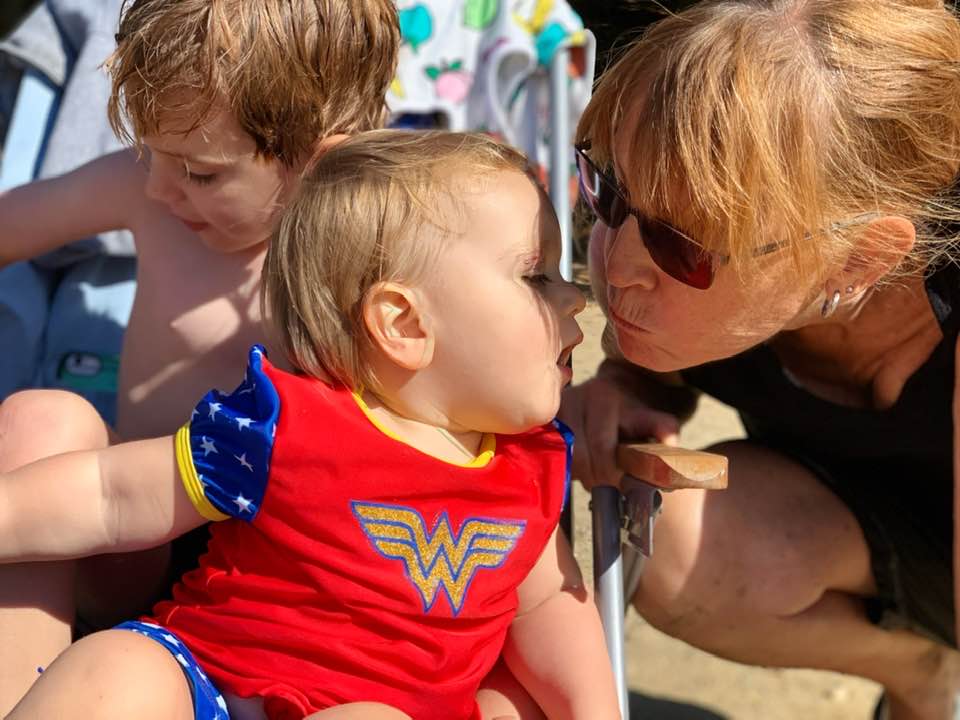
We have so many great photos of Barb. All of these great photos are action shots- she’s doing art, playing with kids, hiking a trail. Most of her posed shots are less than great. Her eyes are half closed and she would say she looks terrible. She was not made to model. She hated her teeth and frequently told me when I was young and had a cracked front tooth that she promised to fix it for me and that I would have a smile like a model. I did get it fixed and I like my smile. It doesn’t look like hers but I know my TMJ issues are absolutely inherited (temporomandibular jaw joint disorder). I’ve clenched my jaw unconsciously since I was a teen, mostly when I’m sleeping, concentrating deeply, angry or stressed. Barb did the same thing. We hold our stress the same way. Is it messed up that it gives me comfort knowing that this persistent and painful ailment connects me to her? Probably. I don’t care. I like having things about me that are like her. (except NO cancer please. Cancer can go to hell and never come back.)

————

I didn’t see myself in my mom growing up. I was very girlie and she was not. I was musically inclined and good at performing. She was not. I loved swimming. She did not. Physically we didn’t really look alike either. But we are both cancers. Our birthdays are a week apart and summertime is definitely our season. Whenever I read about cancers I think about how our core is very much alike:

“Cancers exist in both emotional and material realms. Cancers can effortlessly pick up the energies in a room and are highly sensitive to their environments. Cancers tend to be domestically oriented. They love to create cozy, safe spaces that serve as their personal sanctuaries, then spend lots of time in them. Cancers care deeply about their families and are quick to adopt caregiver roles. Cancers attract friends and lovers through their loyalty, commitment, and emotional depth. They make excellent hosts and enjoy entertaining with comfort food and free-flowing libations. They avoid direct conflict by walking at an angle, they can inflict a harsh pinch with their distinctive brand of passive-aggressiveness.” 

Isn’t that so Barb? Well, that’s me too. 

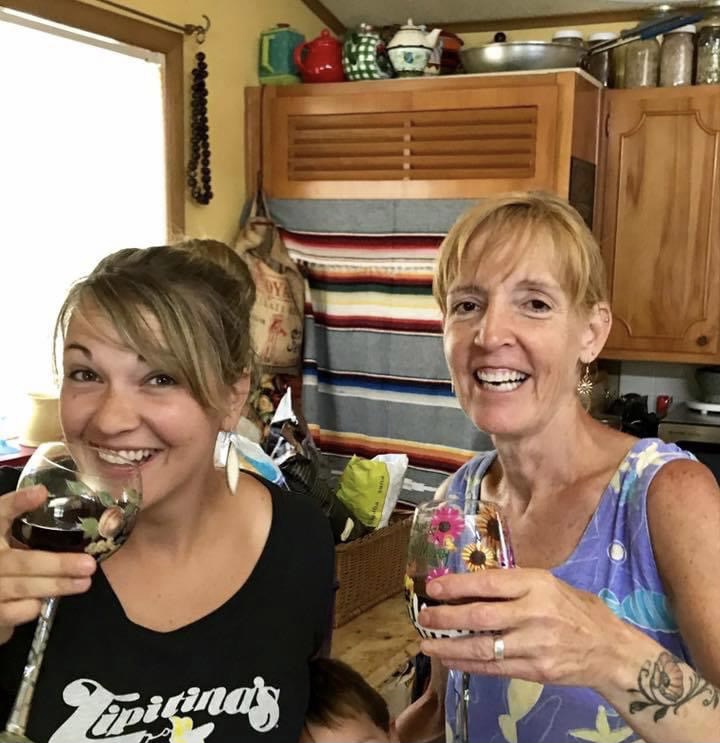
I hope you’ll take a moment to have some free-flowing libations and raise a glass to Barb on her birthday. I am so thankful for everything she passed on to me- the intentional and the inherited.