I recently told a friend that to fully experience a country, you have to experience their healthcare system. We are six months into living in Costa Rica and have had some fresh encounters with the healthcare system here. After I broke my leg a couple weeks ago on a waterfall hike with my Dad and the kids, Symeon and I went straight to the small public health clinic in Samara, the Pacific beach town we were visiting. They immediately sent us away because they do not have x-ray equipment or personnel to deal with serious injuries. They suggested a private clinic about 35 minutes away. Once we arrived at the private clinic we were able to get x-rays right away for $60 but no doctor or technician was available to interpret the images or put a cast on my leg. They sent the images to a doctor, presumably over WhatsApp, and we were told he could come at 8pm to cast the leg and it would be $500. He was busy working at the public hospital. Many doctors in Costa Rica work in both public and private hospitals. I have heard this is because the government pays for their education, so it is a requirement to serve in public hospitals. We were also told that there is only one ortho doc serving that whole region.
We decided to go ahead and try the public hospital, which was 5 minutes away from this private clinic. The private clinic totally understood our need to get faster service and to avoid paying $500. They kindly suggested that when we get to the public hospital I should act dramatic, cry and get a wheelchair. We did just that when we arrived and after a brief check in where I gave my identification number, I was able to talk to a triage doctor. Since I am a teacher here I pay into the public healthcare system and my whole family has access to healthcare at public hospitals and clinics. Without looking at my leg at all he sent me for x-rays. Again, I pushed my broken leg down on the hard, cold surface for some radiation. Images were quickly available to the triage doc. He looked at the images, told me that we needed to go down the hall to get casted and asked me if I wanted hard pain meds via a shot in my butt. I declined. He still never looked at my leg. Truth is he might have said more but this was all Symeon could comprehend. The doc behind the desk didn’t speak English and Symeon was serving as translator. I only understood a few key words.
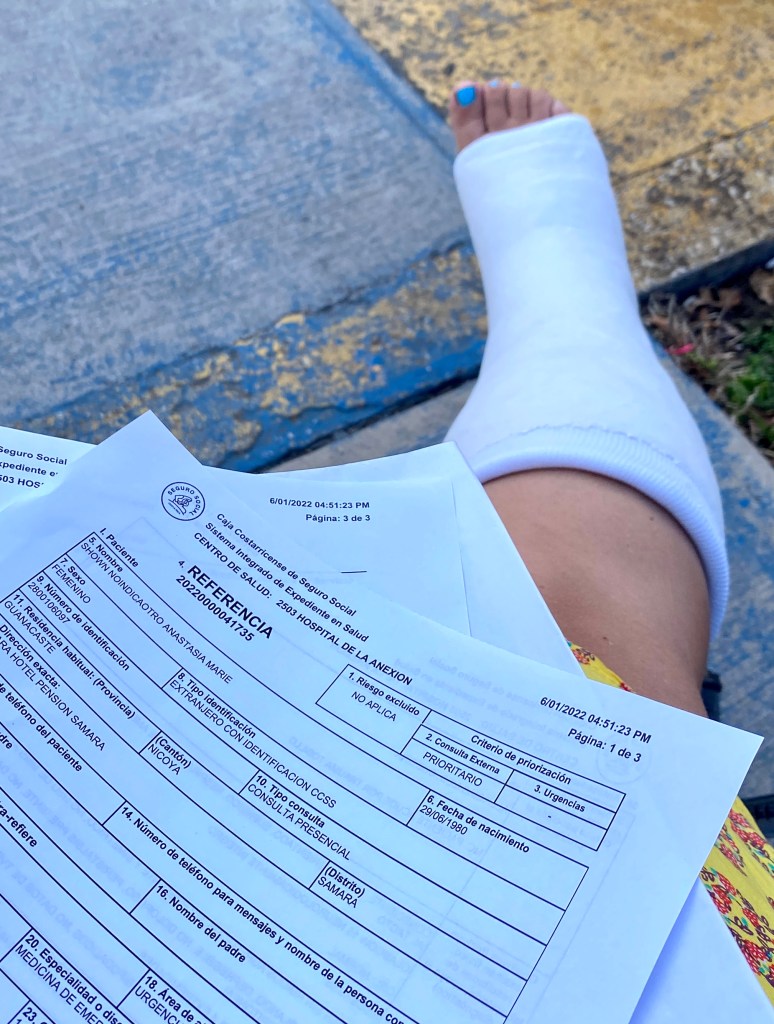
We rolled down the hall to the plaster room and a nice tech wrapped up my leg into a huge heavy cast. Rare for this region, both the x-ray technician and the tech who casted my leg were Afro-Costaricans and spoke English and Spanish. He told me that I couldn’t walk for a month and I should seek follow-up care in my district after 10 days. Cost = $0 and I was out of there in just over an hour.
After we returned to our home in Monteverde we tried to get an appointment for follow-up. I was worried that I hadn’t seen an orthopedic doctor yet and my toes were starting to turn purple. We went to the clinic in town to see if they could help us. The Director there said that we would have to go to the public hospital in Puntarenas, a bigger city about an hour and 20 minutes down the mountain. At the hospital, he said we would have to enter the emergency entrance and explain that we wanted to see an orthopedic doctor. He told us it could be challenging because everyone is triaged due to severity and covid was making the hospital very crowded and stretched to capacity. It seemed we couldn’t get a real appointment without going all the way there and waiting and hoping.
A few colleagues and friends suggested checking out the private clinics in bigger cities. As expected there is a wide range and price level for private doctors. We did a bit of research and settled on a mid-range doctor, also in Puntarenas. My friend at work made an appointment for me and we saw a great orthopedic doctor last week. She was bilingual, did another set of x-rays, explained everything thoroughly, gave me sample vitamins, and suggested new meds. That visit was a little over $100 and included the x-rays. I’m to return in a couple more weeks to remove the cast and transition to a boot with hopes of walking again in March. The good news is that the little fractures in the tibia have healed. Now we wait for the fibula crack to heal. The break is close to the ankle so the key is to avoid surgery. She did note that the plaster cast was very heavy and in the bigger hospitals they use fiberglass, like in the U.S, but it didn’t make sense to re-cast it because it could disturb the leg and right now I need to do everything I can to keep it immobile. She was a bit shocked that I was already back to work and said that I should’ve received a form stating that I can’t work for 30 days. With covid on the rise, teachers and students are getting sick and staffing at my school is stretched thin. I’m now on a modified schedule and my planning periods are back to back so I can go home and get my leg up.
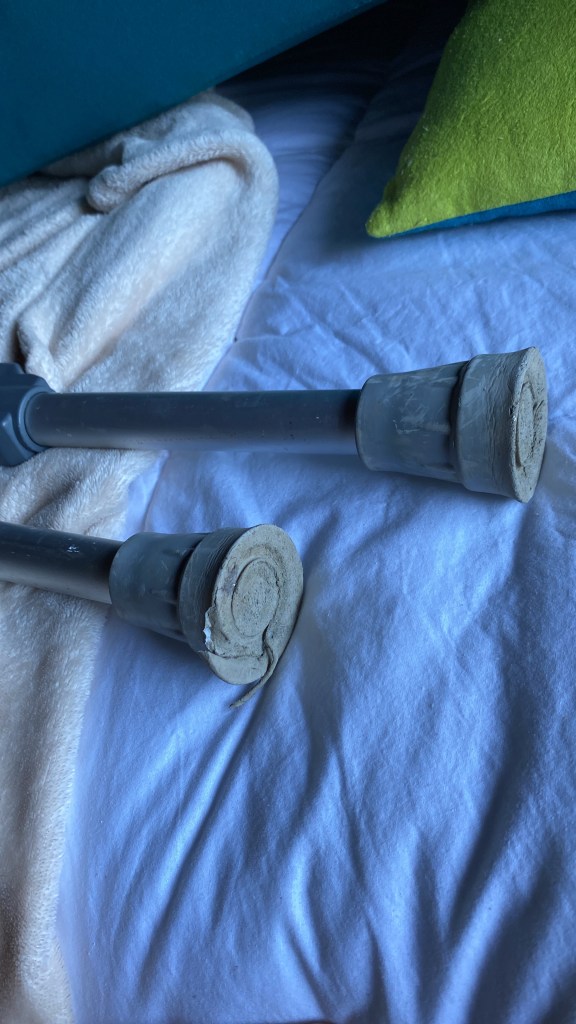
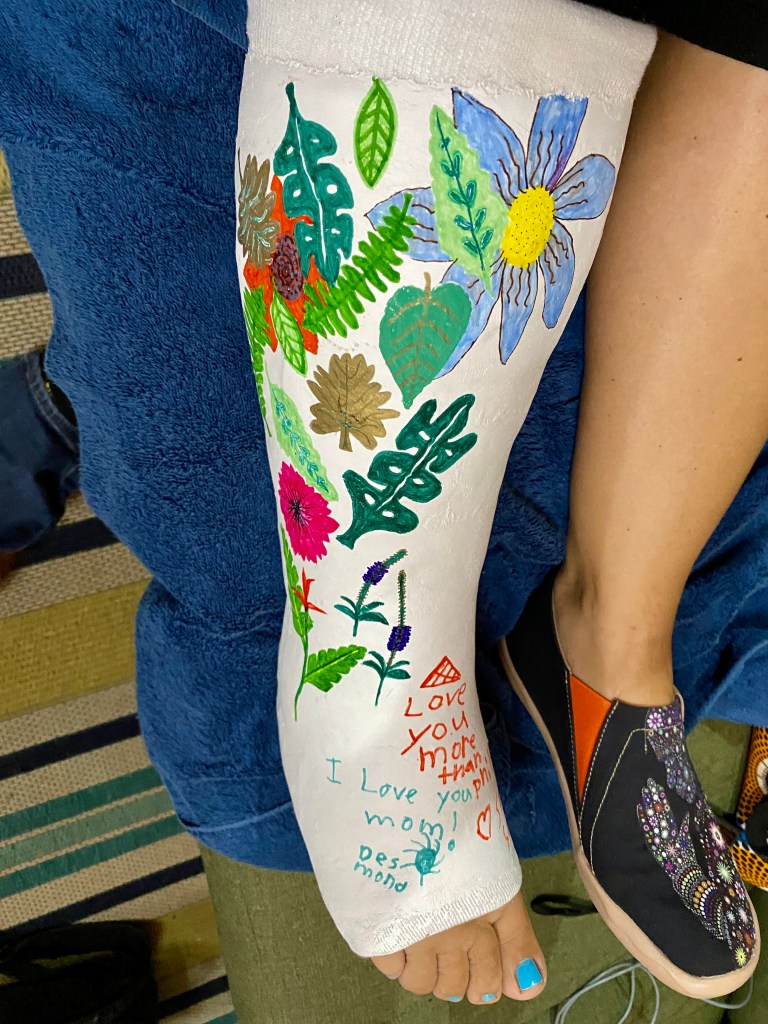
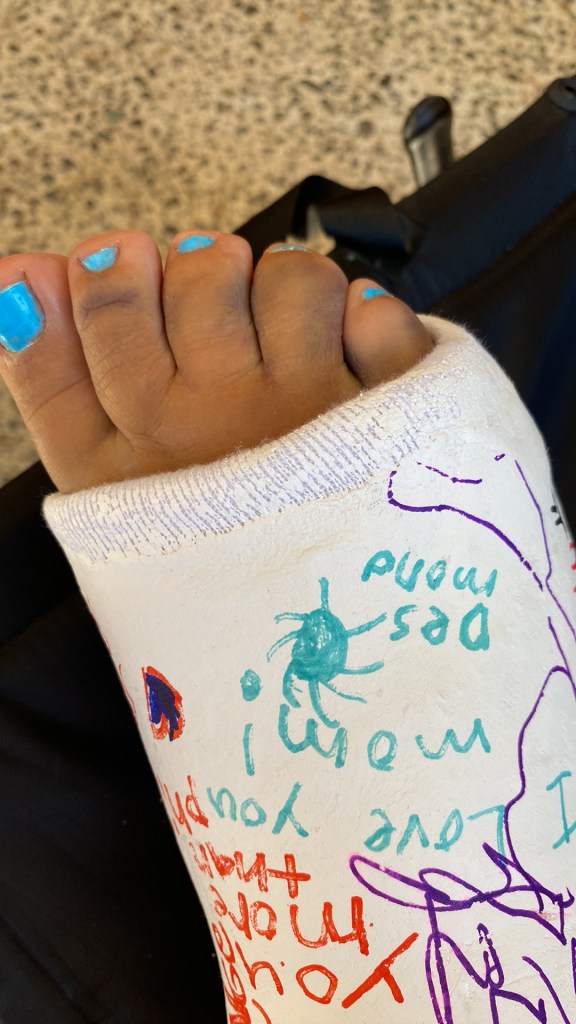
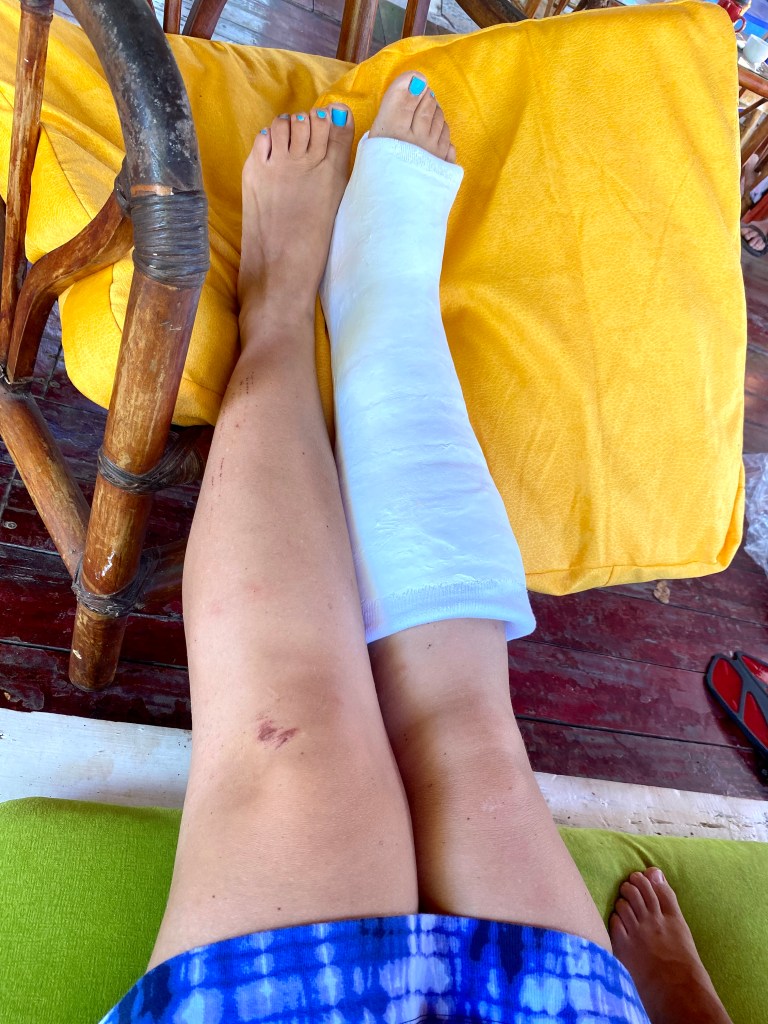
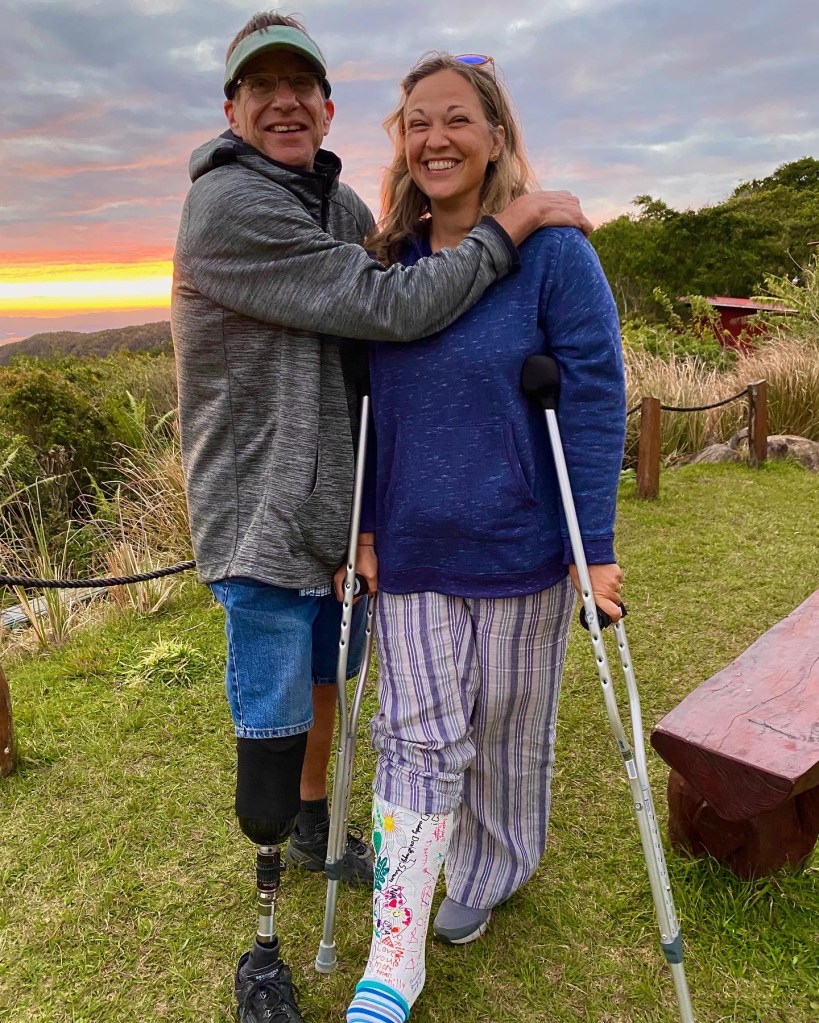
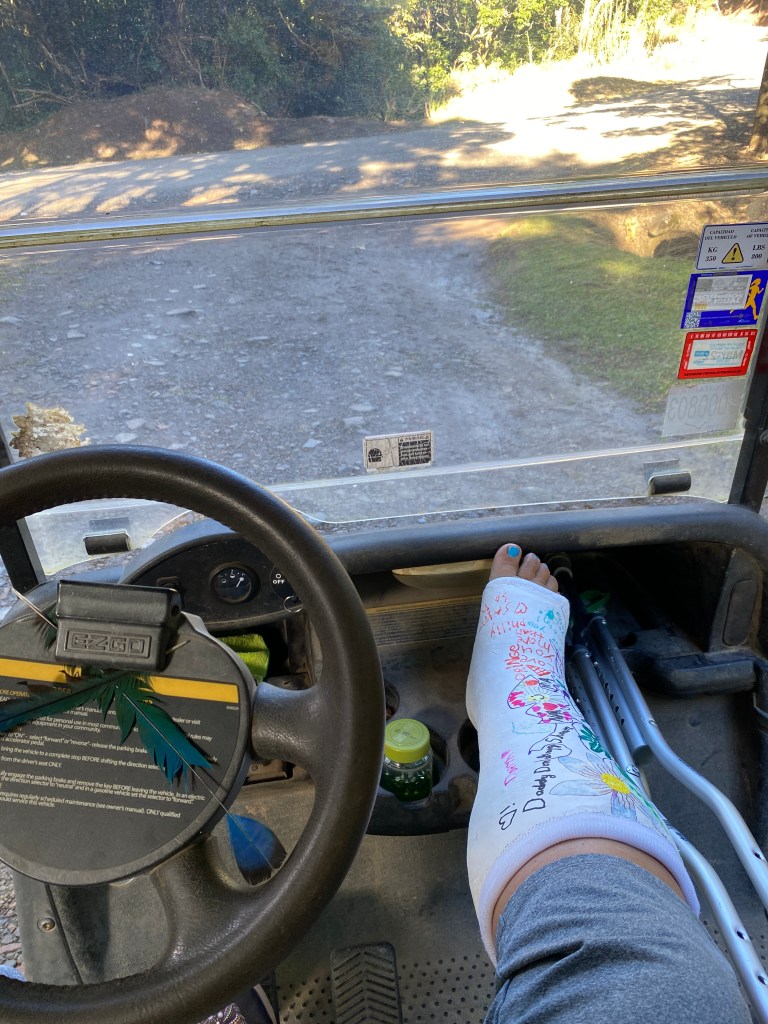
A few blessings- in Philly I would’ve had a very hard time in our 3 story house with no bathroom on the main floor. Here, I’m in a single story house with a nice wide hallway. A friend loaned us her golf cart for a week so I was able to drive that with my left foot to work for a while. Community members have also brought us food- a roasted chicken, cinnamon buns, a loaf of bread, chili, lentil soup, broccoli, a salad, even palak paneer and dal! And ironically my boss and her partner both broke their ankles in the last year so they know a lot of what I’m going through. They have loaned me a wheelchair that I use at work and in the house. Symeon and my Dad, who is visiting, are doing lots of the house work. Symeon is mentally stretched thin as the kids and I constantly ask for his help and he tries to work his U.S.-based job with deadlines and demands.
Yesterday the kids finally got their first covid vaccine. In Costa Rica they started vaccinating kids under 12 this January. All children, regardless of residency status, can get a vaccine. They got their shot at the public clinic and have an appointment for their second shot. Symeon and I are still waiting for our booster shots. They are only available to people 58+ right now.
With these two experiences with healthcare here, I have a positive opinion. The public health system is serving everyone for no cost and the only difficult part is that you have to wait a lot and travel far for things like x-rays and specialists if you live in rural areas. The private healthcare available doesn’t cost thousands of dollars or have long wait times to get appointments. There are lots of options to see doctors at private clinics for a fraction of what you would pay in the U.S. From talking to folks here, it seems they use a combination of private and public depending on the issue and what they can afford. In total, I think my care will be about $300 and that includes a combination of private and public care, a new boot that I ordered from San Jose and had delivered in a bus up to Monteverde, gas money for the trips to and from the doctor, and hopefully some physical therapy. This is expensive though for the average Costa Rican who makes only $12,000 a year. We can only afford this because of Symeon’s job. My job wouldn’t cover our monthly expenses plus this.
Healthcare is a human right and the situation in the U.S. is a gross violation of that right. Access to free and affordable quality healthcare is crucial to all other aspects of wellbeing. I applaud Costa Rica for moving funds away from militarization and into healthcare and education.
Stay healthy. Take care of each other.
———–
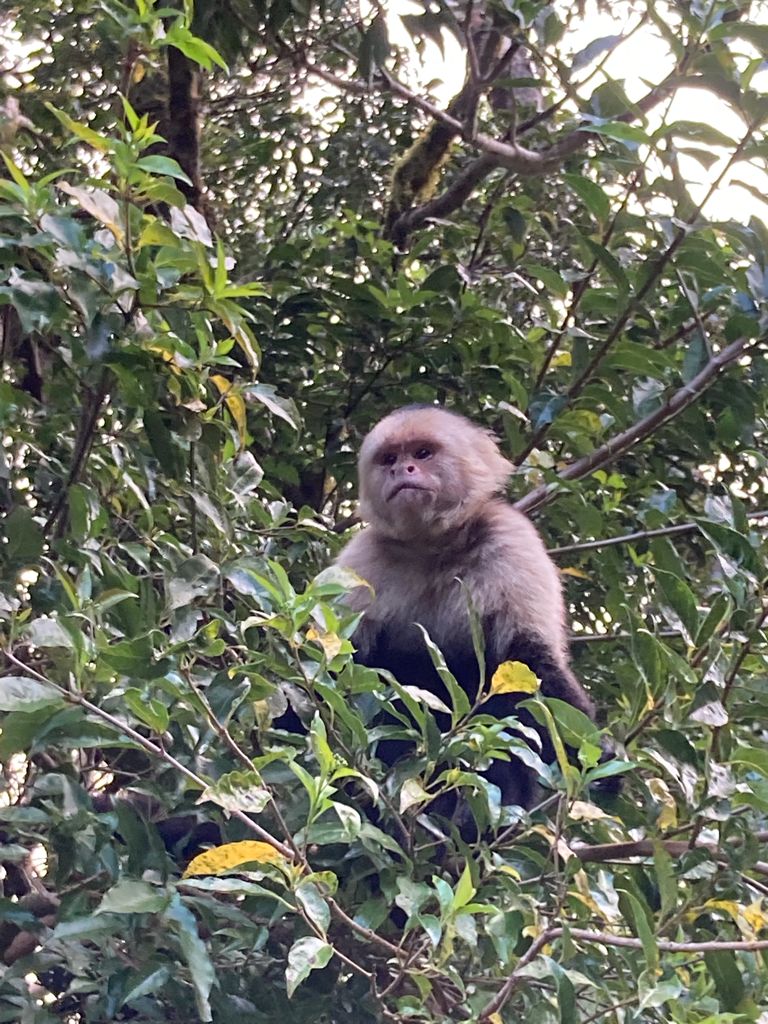
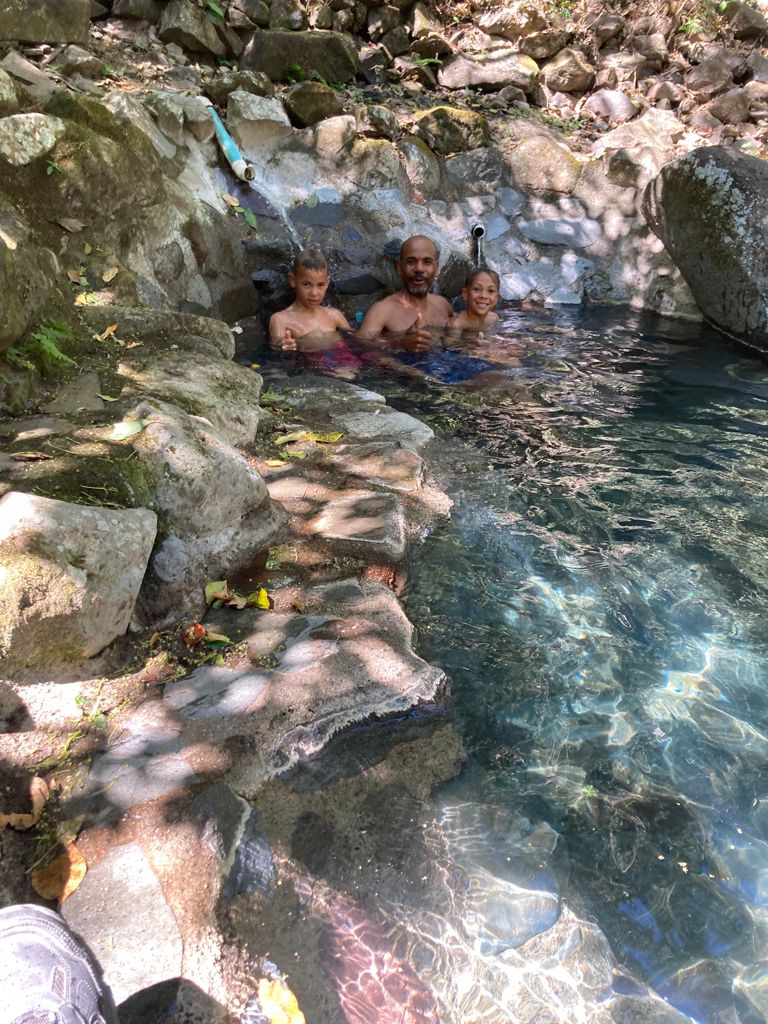
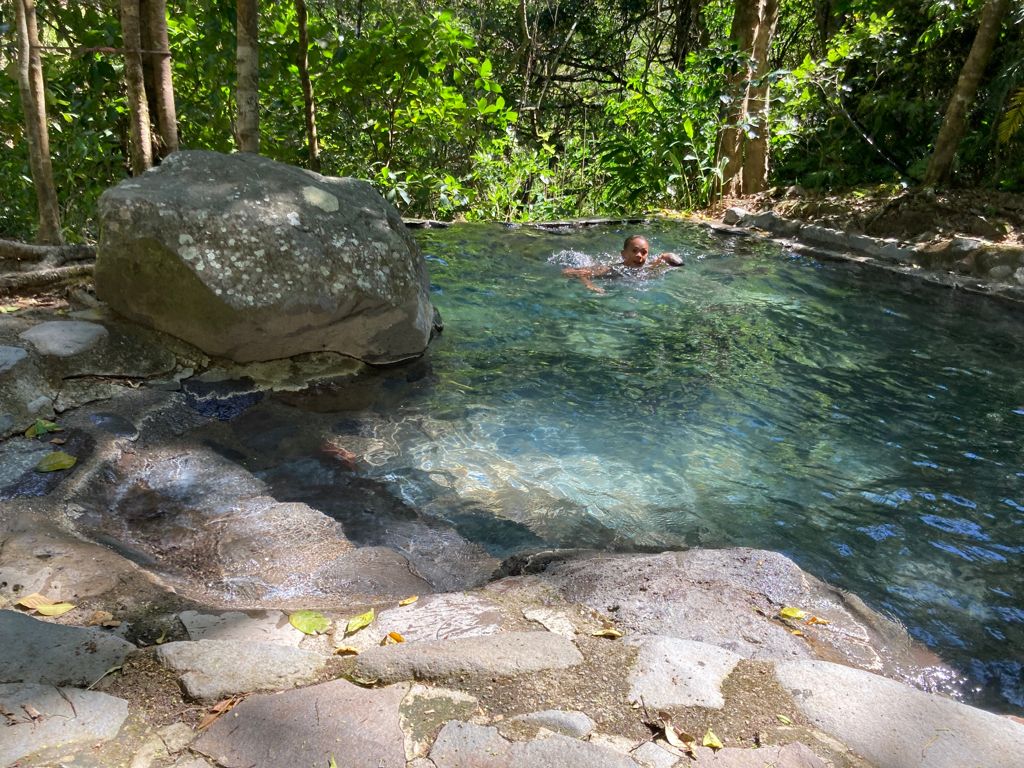
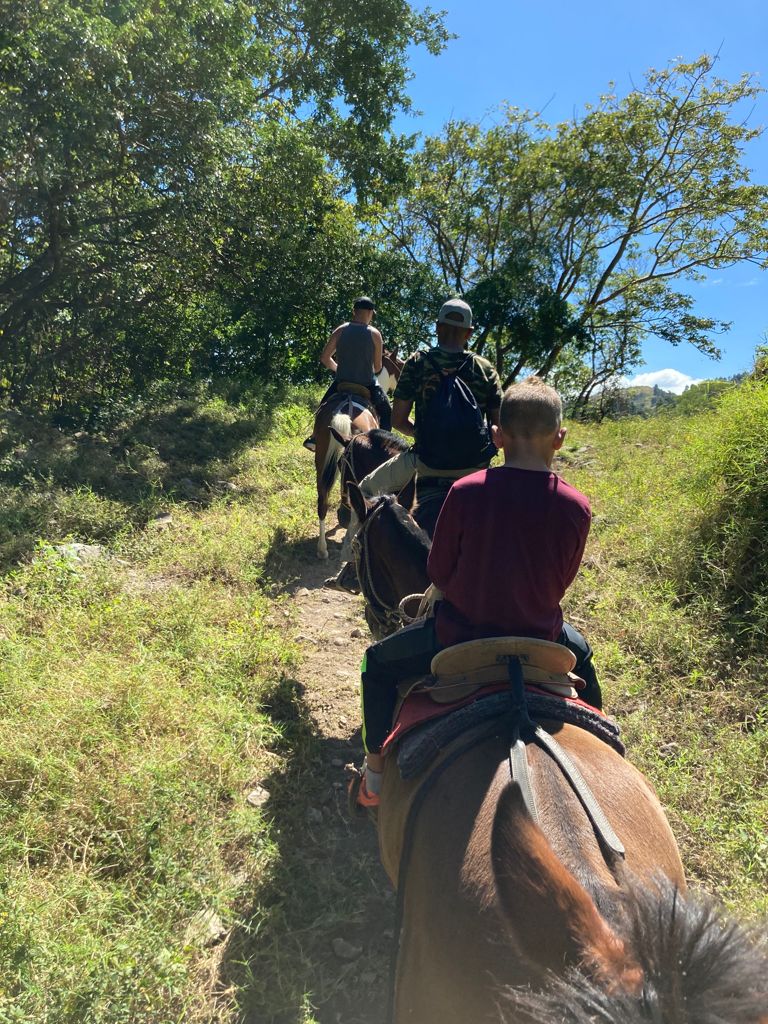
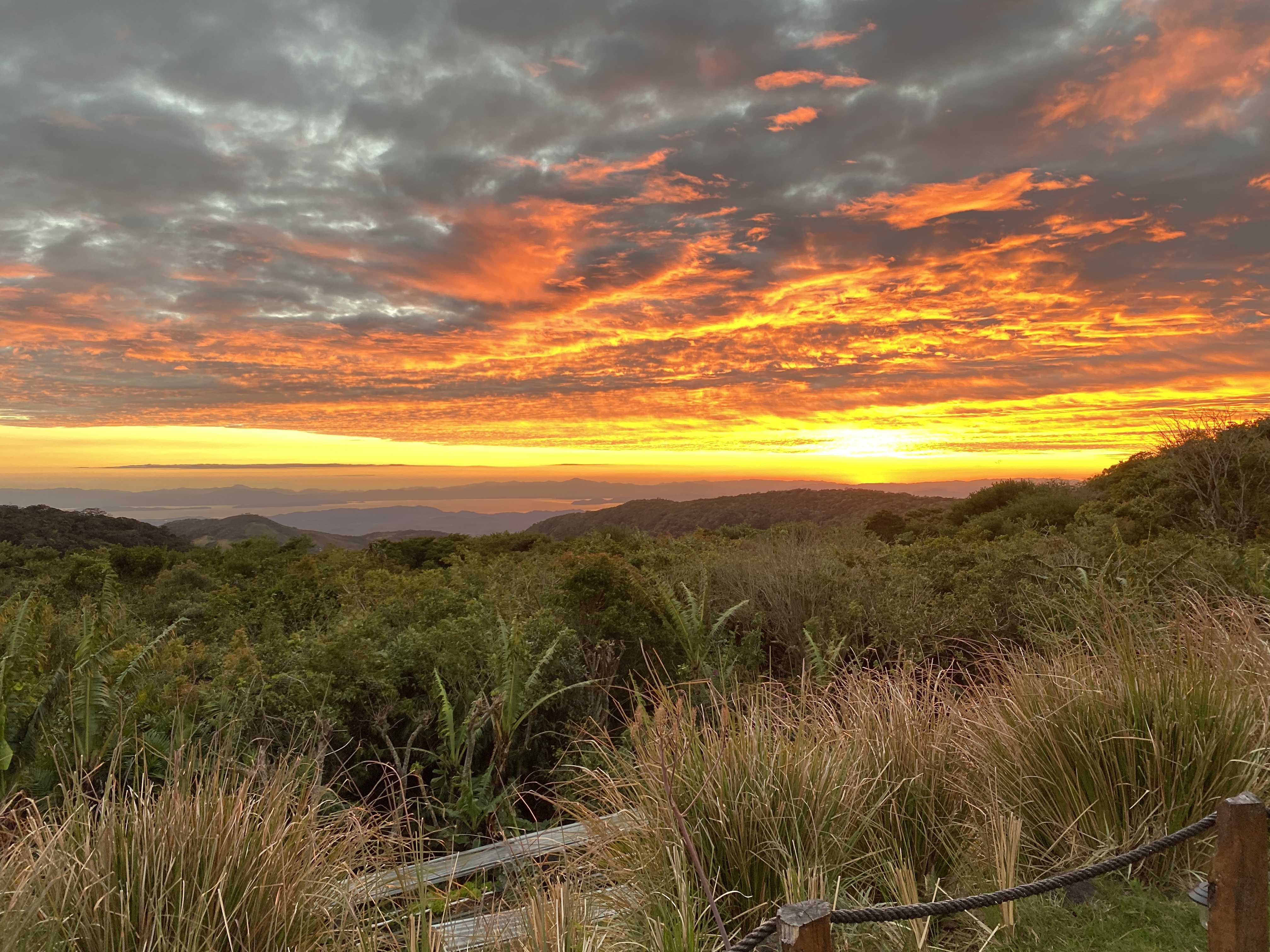
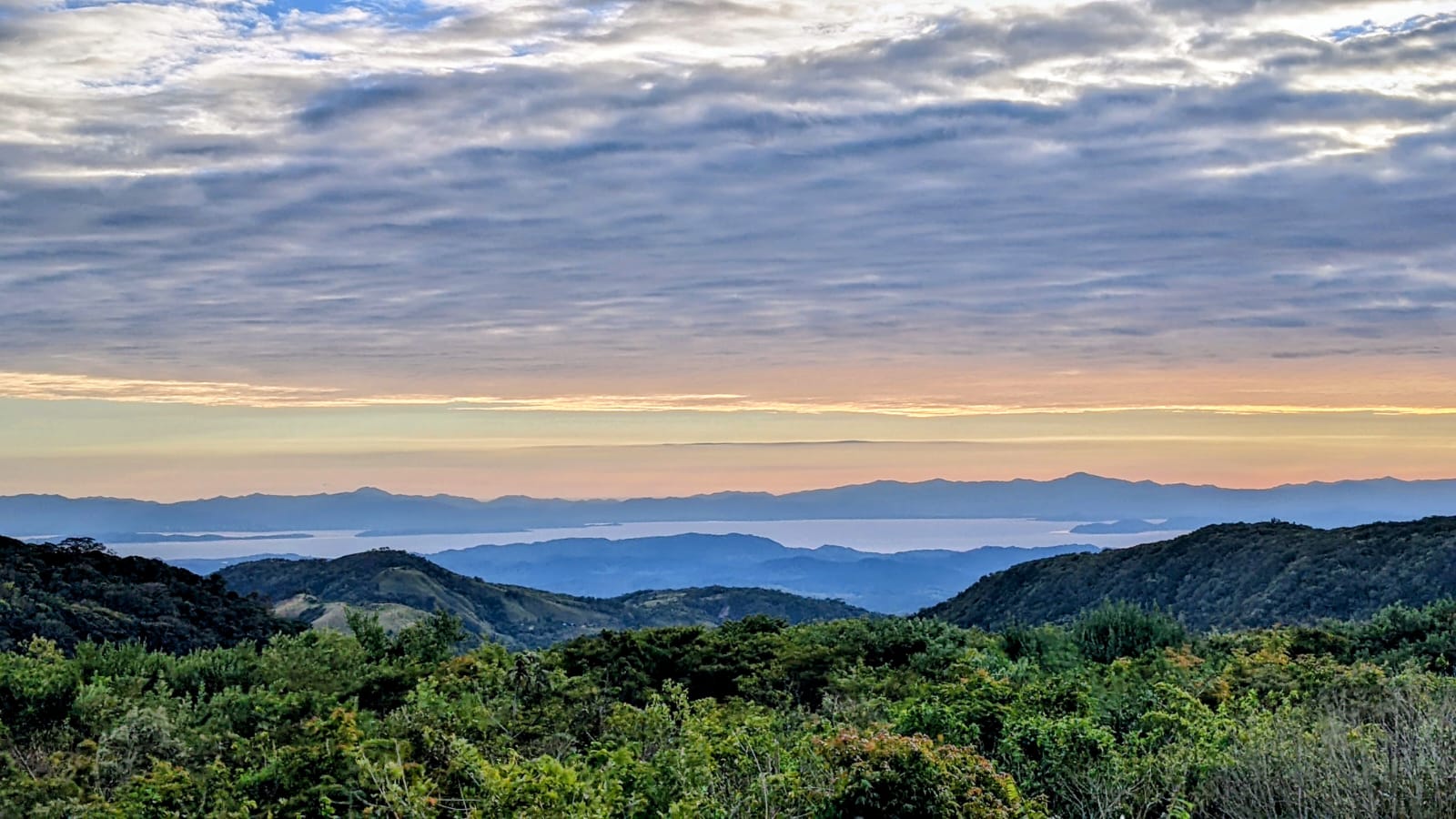
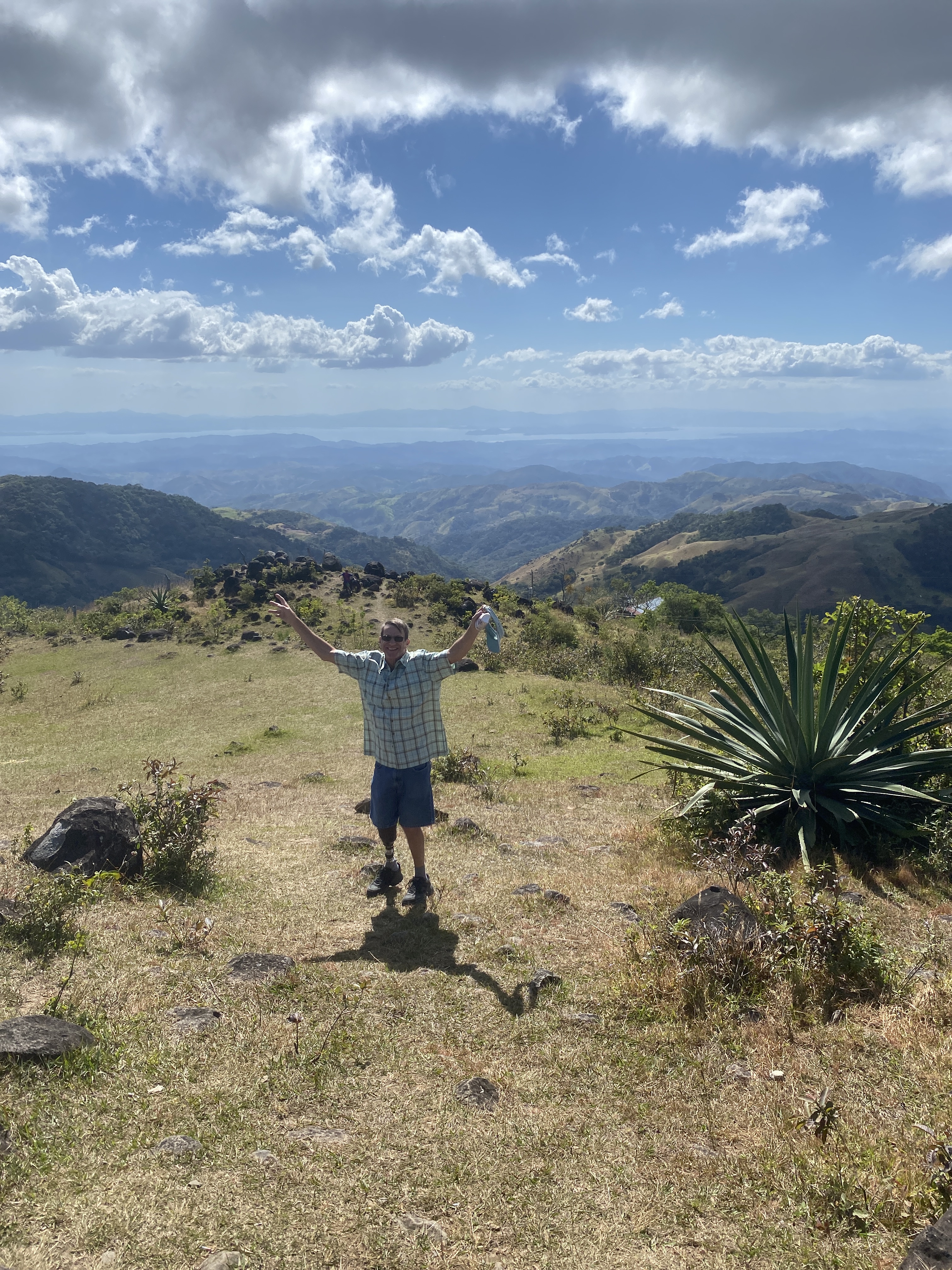
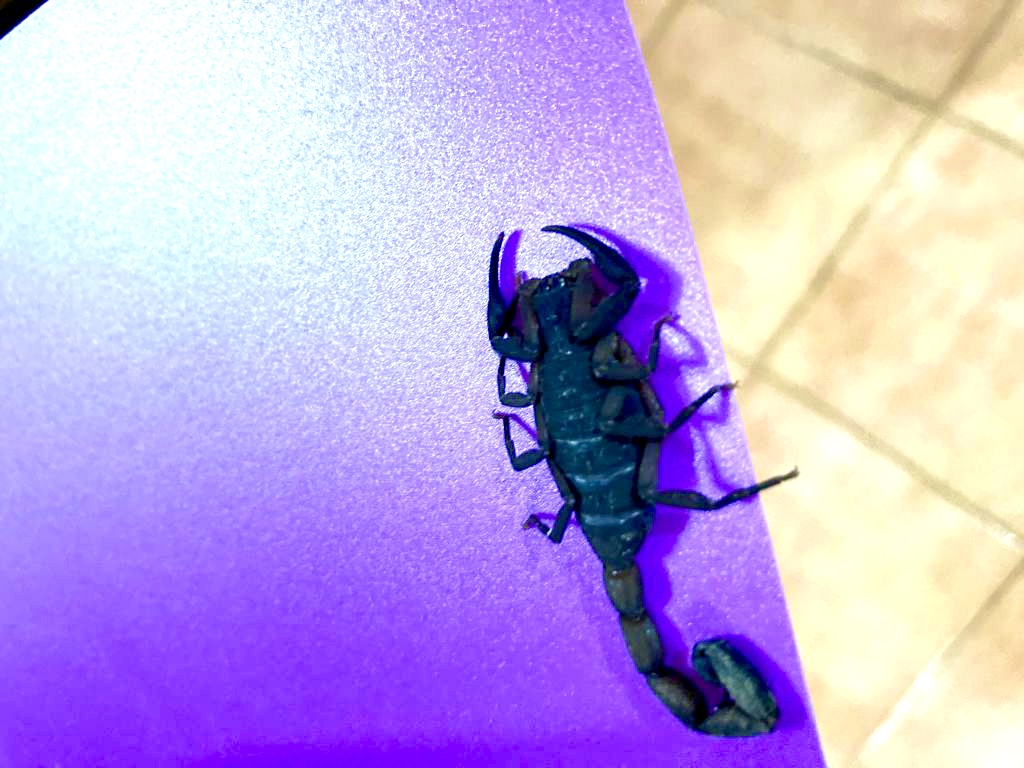
Pics from my Dad’s time here:


 Be Like Barb